
TheStreet aims to feature only the best products and services. If you buy something via one of our links, we may earn a commission.
Buying a laptop computer can be a daunting and sometimes intimidating task. It feels as though new models come out daily, therefore making your decision even tougher. Luckily, you don’t have to face this challenge alone. Those of us who have owned just about every kind of laptop you can imagine are the best ones to offer guidance to those who may be less seasoned (or more exhausted) at computer shopping.
Personally, I have owned multiple Chromebooks and Windows laptops, so I know what I speak. I’ve also owned Apple laptops, which is the third type that most people think of when deciding what to buy. However, Chromebooks and Windows laptops are more similar to each other in terms of operating systems and uses. That often makes them the either-or choice for general-use laptops, so I’m focusing primarily on these two options for the purposes of this article. Chromebooks are Google’s answer to Microsoft’s decades-long OS marketplace supremacy.
Deciding which type of laptop to buy is ultimately an economic decision. Your money only goes so far. That means you need to make every dollar count, especially on a product you plan to use daily. Not only do you want to spend as little as possible, but you also want to get a machine that will save you time on your daily tasks. The following should help you decide if the dollar-per-minute efficiency of a Chromebook or a Windows laptop is the best choice for you.
What is a Chromebook?
A Chromebook is a laptop that runs Google’s ChromeOS rather than the previous standby of Microsoft Windows. However, the alternate operating system isn’t just a way to compete with Microsoft’s ubiquitous software. The reasoning behind a laptop that’s ultimately Google-based is that standard Windows laptops almost have to be incredibly software-heavy in order to run any number of applications they’re needed for. Windows computers are designed to do everything from helping grandmas search recipes on the internet to helping astronauts on the International Space Station keep systems operating.
Chromebooks, on the other hand, are intended for more casual daily web-based applications. Millions of people spend most of their time on a personal computer simply browsing the web, watching YouTube, and shopping online. In 2011, Google recognized this need and created a concept whereby the average consumer could buy an affordable web-based laptop that didn’t come with all the bells and whistles of a Windows computer, most of which they didn’t need and might not know even existed. Simply stated, a Chromebook is a lightweight, inexpensive laptop that employs the ChromeOS operating system for casual web-based computing.
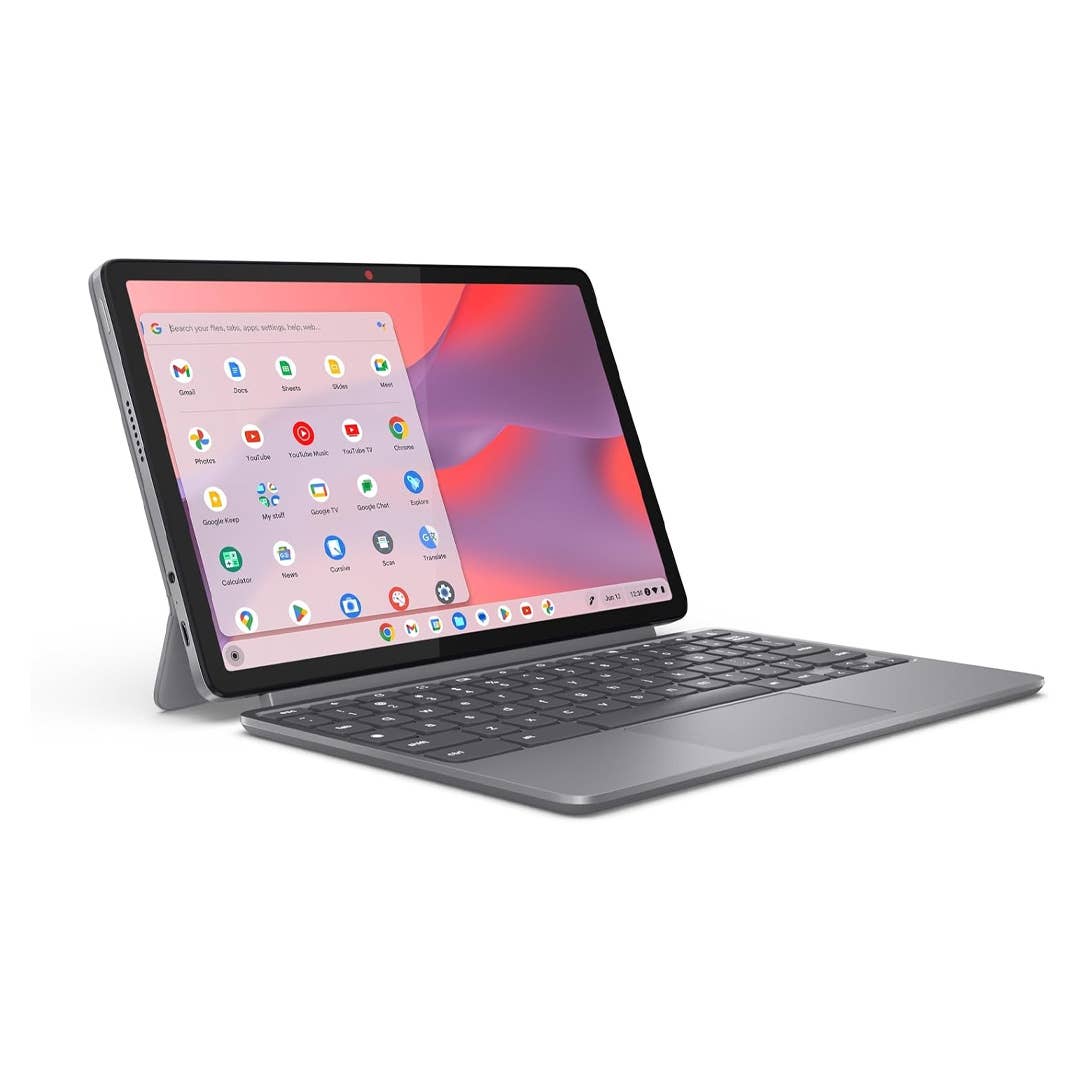
Lenovo Chromebook Duet Convertible Laptop
What are the pros and cons of a Chromebook?
It feels as though the creation of the Chromebook is one of the rare times that a huge global corporation actually filled a big gap in the marketplace before customers even realized they needed the product. Chromebooks, in a single word, are nimble. They’re designed to be so. Some of the most obvious benefits you’ll notice from using a Chromebook involve its speed and convenience.
Most Chromebooks take a mere five to 10 seconds to boot on startup. On top of that, ChromeOS is optimized for online use, having been designed to be cloud-first as opposed to pre-loaded or downloaded software-first. Thanks to this web-based approach, Chromebooks require far less internal hardware as well. That makes them physically lighter than most of the Microsoft-based counterparts. This has led to Chromebooks being used by the millions for educational purposes in elementary schools through universities. They make up approximately 60% of the global educational computer market. Because of the limited hardware and lower average price for a Chromebook, budget-conscious consumers who just want something for surfing the web and basic daily use will find it a good choice.
These quick and lightweight computers, however, aren’t without their faults. Because they’re designed to be web-based, they don’t have the robust computing power that Windows computers have. Their hardware is limited, so intensive computing tasks like video editing and gaming are not the best uses of these machines. If you want a computer for those tasks, then a Chromebook is likely not going to be for you. One final con may be a lack of familiarity with the operating system. While this may not apply to all users, if you’ve never used a Chromebook before, there may be some learning curve when it comes to using a new system.
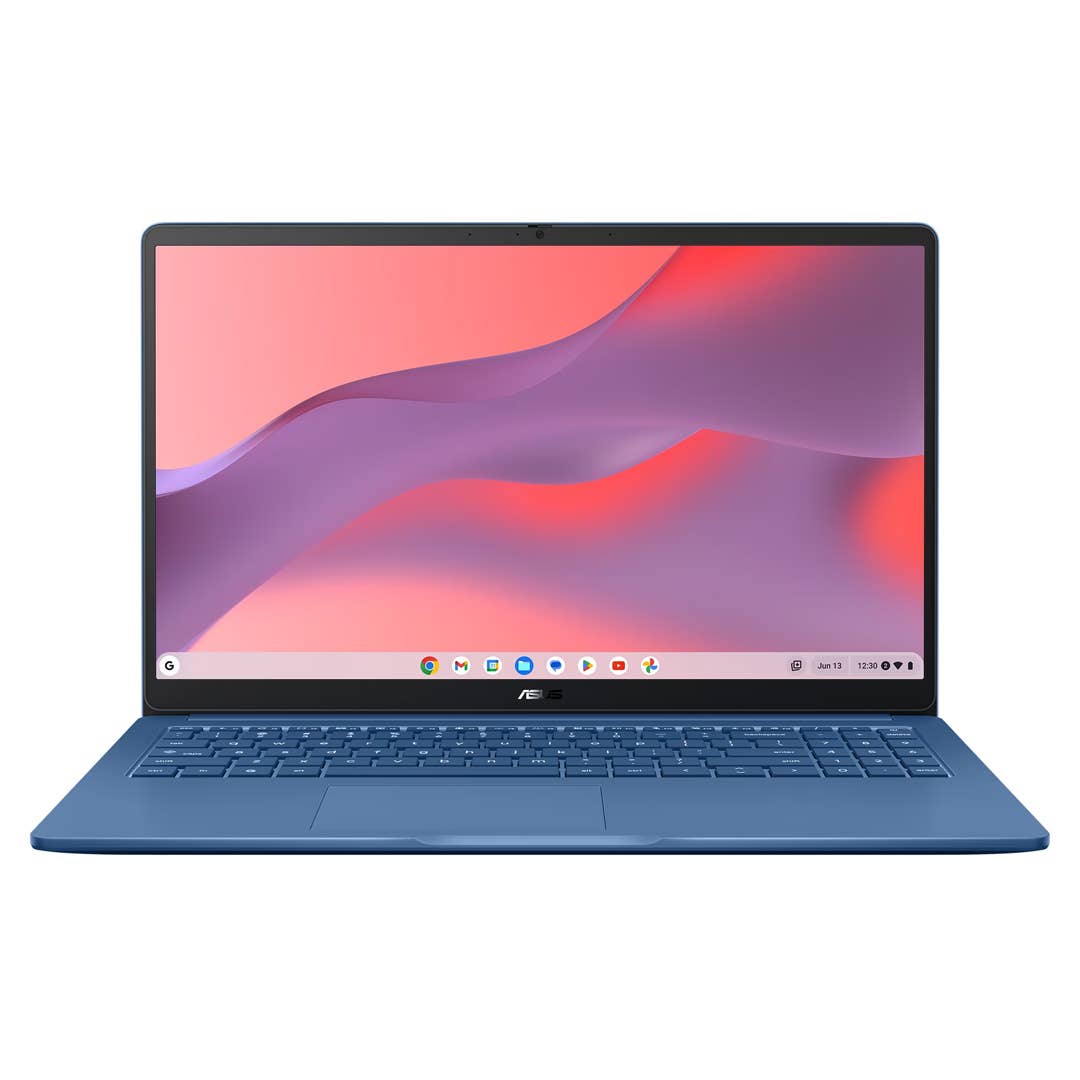
Asus Chromebook XC15 Laptop
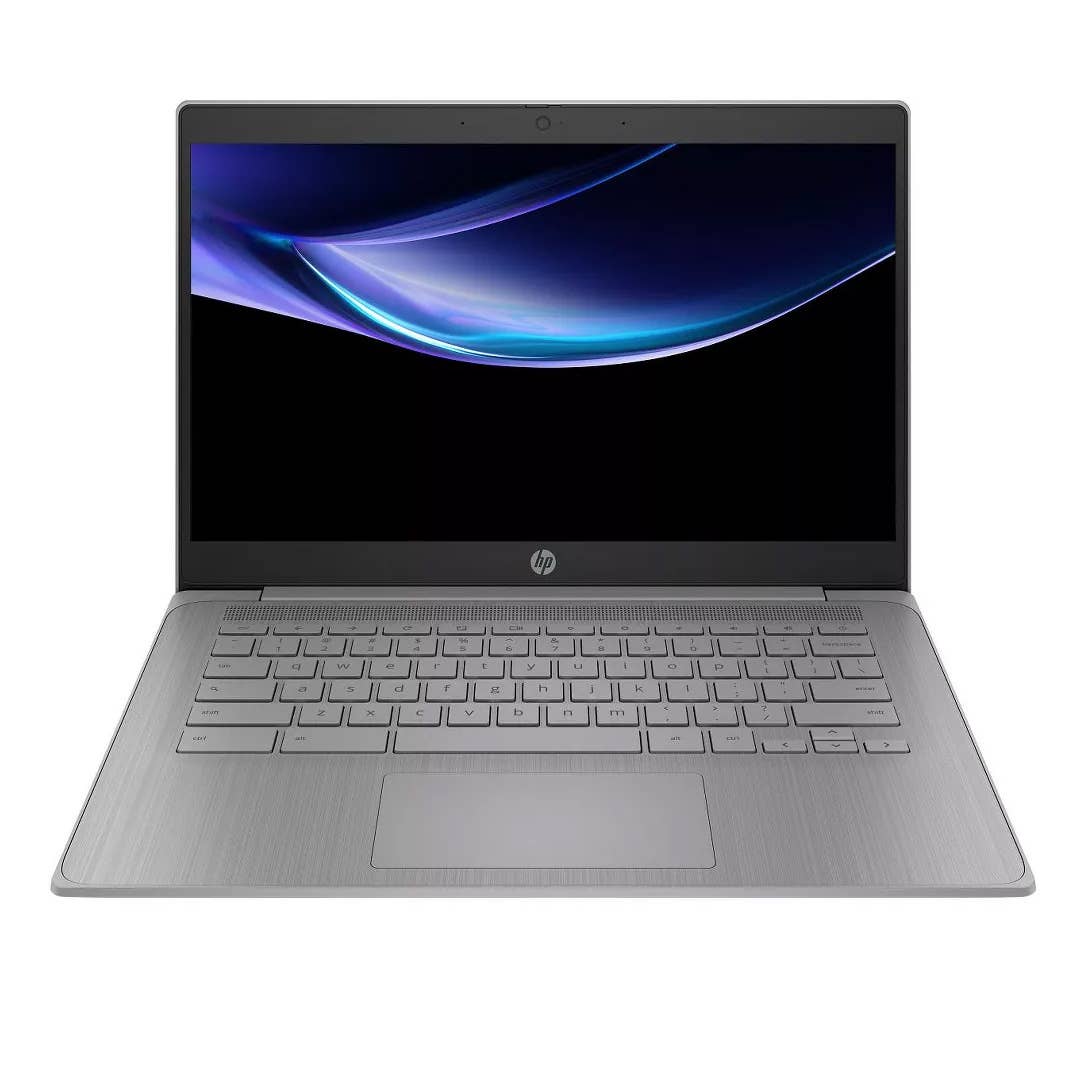
HP Chromebook Laptop
What is a Windows Laptop?
A Windows-based laptop utilizes the Microsoft Windows operating system. This is likely a system you use or have used for most of your daily computing needs at work or home. As mentioned above, Windows-based laptops are designed to be versatile and offer a robust menu of capabilities for anything you might imagine a computer used for. Windows quickly became the standard operating system for most computer applications, which is why it’s still so popular to this day. A Windows-based computer, while it has its limitations, can be used for virtually any computing task you can devise for it. It’s the all-around option, making it highly versatile, though also a bit sluggish.
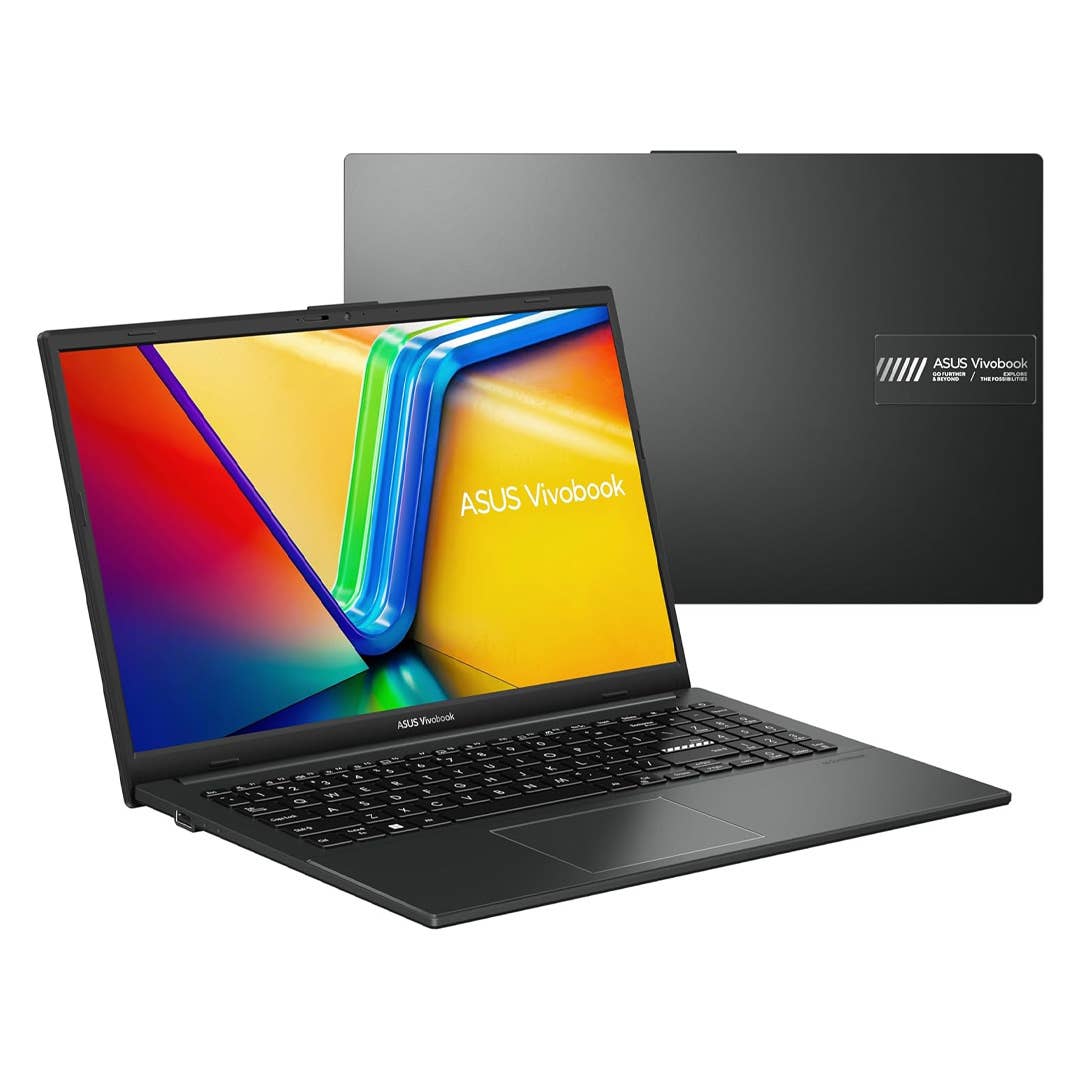
Asus Vivobook Go FHD Slim Windows Laptop
What are the pros and cons of a Windows Laptop?
The biggest advantage of Windows laptops over Chromebooks is adaptability and computing power. While perhaps not as lightning fast as a Chromebook, a Windows computer can perform all of the web-based functions that a Chromebook can. It’s also optimized for storing and running internal programs and applications that require large amounts of onboard memory. While Chromebooks are quick, Windows-based laptops are powerful. They have everything you need to run a host of different applications, from DNA sequencing to high-resolution gaming; they can handle it all. If you’re looking for a computer that can literally do almost anything, then a Windows-based laptop is where you should focus your attention.
Though the downsides of a Windows computer are well-known, they’re not always considered when shopping for a new machine. The average boot time for a Windows computer is roughly 30 seconds, compared to the ultra-fast boot-up of a Chromebook. Since Windows laptops have a wider range of functions, they also have a wider range of prices. That means that the average cost of a Windows laptop will be more than that of a Chromebook. However, that additional dollar value also translates to additional computing power. Furthermore, the added hardware required to run complex programs takes up space and adds weight. This means that Windows laptops have an inherently larger and heavier build than most Chromebooks. However, it’s important to remember that with the additional weight and footprint comes plenty of extra functionality.
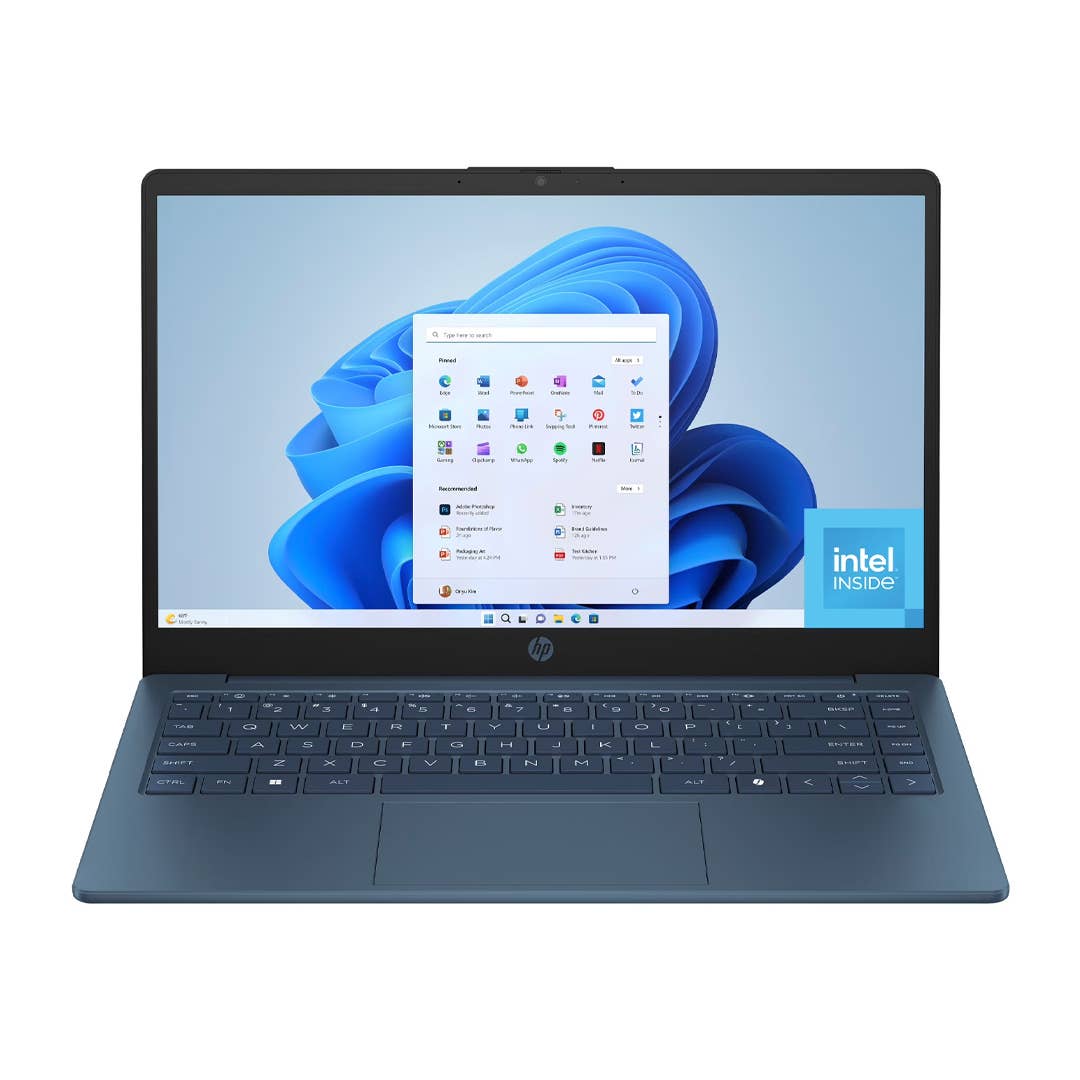
HP 14-Inch HD Windows Laptop
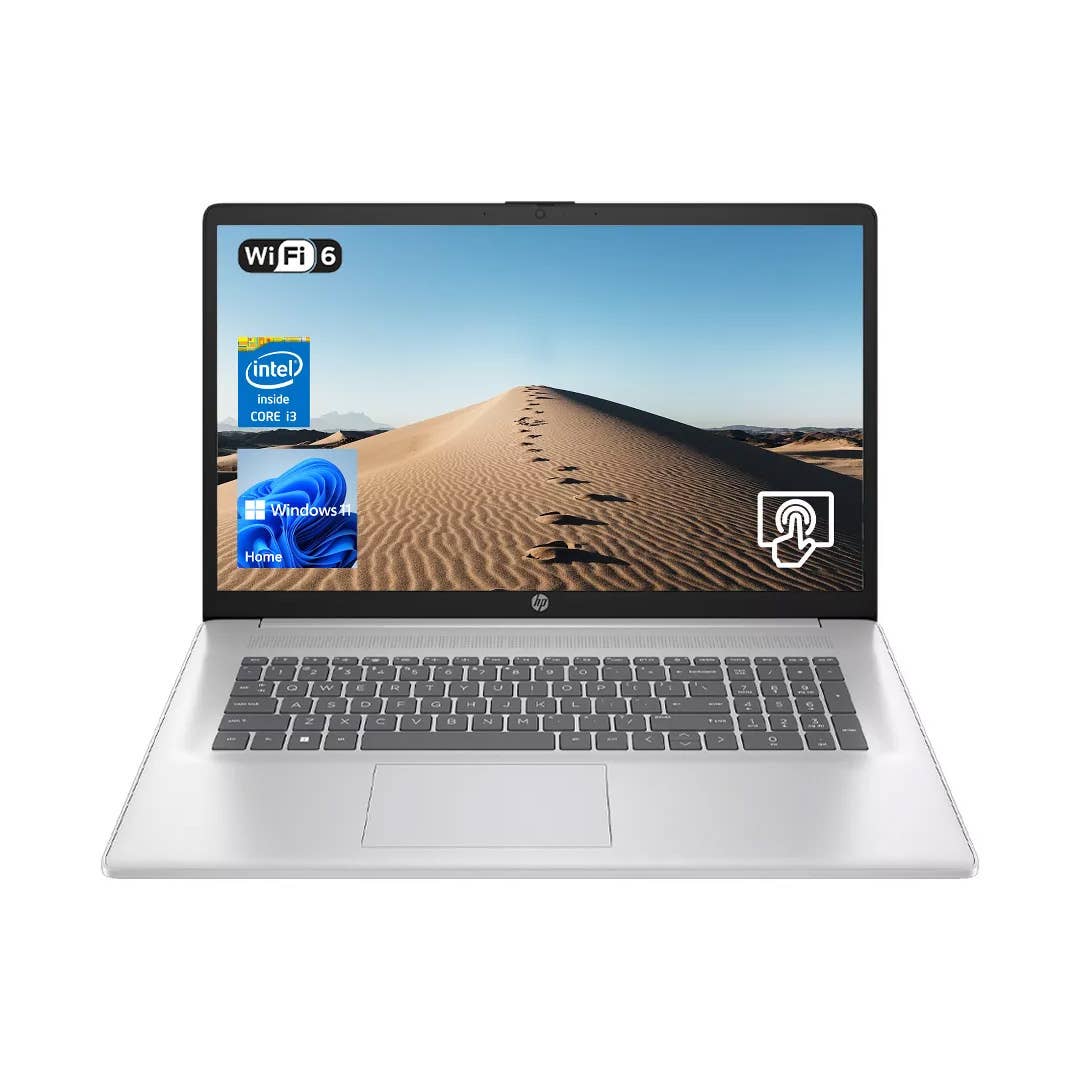
HP Essential 17 Windows Laptop
Which is right for you?
Ultimately, your decision as to what computer you choose will come down to how you plan to use it. If you use your laptop almost exclusively for web-based applications and don’t need it to do any heavy lifting, then a Chromebook is probably the way to go. However, if you’re a video editor, an intense gamer, or an ISS astronaut for that matter, then opt for a Windows machine. That said, if you choose the best possible computer for your needs, at the best possible price point, then the sky’s the limit, no matter which operating system you end up with.
TheStreet Shopping is your guide for shopping insights and advice. We look beyond the price tag to find the best value in home, tech, and wellness gear based on product features and real-world use.