
We used to call it word of mouth, and it was organic. I would see a movie, try a new restaurant, or buy a new product, then tell my friends about it.
If I liked it, then they might like it, too, and in theory, they would also spread the word.
It was informal and somewhat inefficient, but it made hit movies out of lower-budget movies such as “Clerks,” “My Big Fat Greek Wedding,” and “Napoleon Dynamite.” On the restaurant side, word of mouth worked more locally, while products like Dubai chocolate and Huy Fong Sriracha benefited from regular people just talking about them.
Now, many businesses have attempted to harness something that mostly occurred naturally through what’s called influencer marketing. It’s when a known person — maybe a subject-matter expert or perhaps an actual famous person — uses social media to tout a product.
Sam’s Club hopes to harness that phenomenon by doing what Amazon pioneered — using its own members as influencers to promote its products.
Amazon has led the way in cultivating infuencers
For years, Amazon has cultivated a network of influencers who review products sold by the retail giant.
“Influencers are seen as key tastemakers, who can help companies unlock access to a specific audience demographic, and they often have rabid and engaged fan bases. Many social media stars are now commanding lucrative endorsement deals from major brands,” CNBC reported.
Amazon leverages well-known creators, but its core focus has actually been getting regular people to write or post videos about its products in exchange for a small revenue share.
Raye Boyce, who also posts makeup and beauty-related content on TikTok, Instagram, and YouTube, added Amazon to her mix.
“Now there’s Amazon, which is a way of making commissions from products you would normally buy on your own,” Boyce said. “You can make money off of that on top of your brand deals, and YouTube and TikTok and everything else.”
Amazon also pays some creators a flat fee, along with any earned commissions, to post videos about products, according to Bloomberg.
The online sales giant has been using influencers for nearly a decade.
“The Influencer Program quietly debuted in 2017 as a way for Amazon to capitalize on the growing trend of influencer marketing as a way to drive sales. The program itself is a step up from the Amazon Associates program, as it requires approval to join and gives influencers their own page with an Amazon URL to showcase their recommendations,” according to TechCrunch.
Related: History of Costco: Company timeline and facts
Sam’s Club creates its own influencers
Sam’s Club has borrowed a page from Amazon’s playbook and has launched its own “Creator” program.
“Sam’s Club Creator is designed for creators across all backgrounds and content categories to collaborate, share their favorite finds, and grow their impact. Apply today to get early access to new brand launches, connect with fellow creators at exclusive Sam’s Club events, and earn by sharing the products you love with your audience,” the warehouse club shared on its website.
TheStreet retail advisor and RTMNexus CEO Dominick Miserandino applauded Sam’s Club’s move, but pointed out one clear risk.
“It does seem logical, but I have a feeling there’s a lot of devil in the details. I know people are having more and more concerns about the validity of reviews authenticity,” he said.
Any Sam’s Club member can register to be an influencer for the warehouse club to earn a small percentage-point commission on any products they drive sales for.
“The retailer soft launched the program last year and after ‘great engagement,’ officially launched the program at the end of Q1 2026,” Sam’s Club Chief Experience Officer Diana Marshall told Chief/Marketer.
The Creator program supplements another Sam’s Club program, “Expert Reviews,” which pays well-known influencers and experts to review higher end products.
Harvey Ma, general manager of Sam’s Club Member Access Platform, told Modern Retail that the company looks for the best person to represent the product and make claims about it, from different expert perspectives.
More warehouse clubs:
- Costco just made a major move to fix a member pain point
- Sam’s Club just gave members a reason to ditch Costco
- BJ’s Wholesale plans major store changes as customers pull back
“There is something to be said, particularly for highly discretionary purchase items like a GhostBed, of the need for some validation, rather than research you’re doing on your own,” Ma said. “Expert-led video is really a way for us to bring together what we would call ‘sight, sound, motion,’ on site, which we know will capture attention, but to also lean a little bit into what’s so hot right now, which is influencer- or expert-led advice.”
These two programs together give Sam’s Club multiple ways to use influencers, both famous people and unknowns, to drive sales.
Costco does not have an influencer network
While Costco does not have a formal influencer or creator program, it still benefits heavily from influencer marketing.
“When it comes to shopping at brick-and-mortar locations, Influencers are significantly more likely to drive purchases at discount clubs among club members. This is especially true for Costco members, who are 2.3 times more likely to make their influencer-inspired purchases at the store vs. Target or Walmart,” according to Izea’s 2024 Influencers and Discount Clubs report.
Sam’s Club move to harness influencers is part of a broader maturing of the market.
“Influencer marketing is maturing and diversifying,” said Emarketer Principal Anayst Jasmine Enberg. “The boom days of spending growth on social media sponsored content are largely over, but brands are directing more of their influencer budgets to paid social ads and non-social channels, from TV to digital out-of-home to podcasts, which is funneling more money into the tactic.”
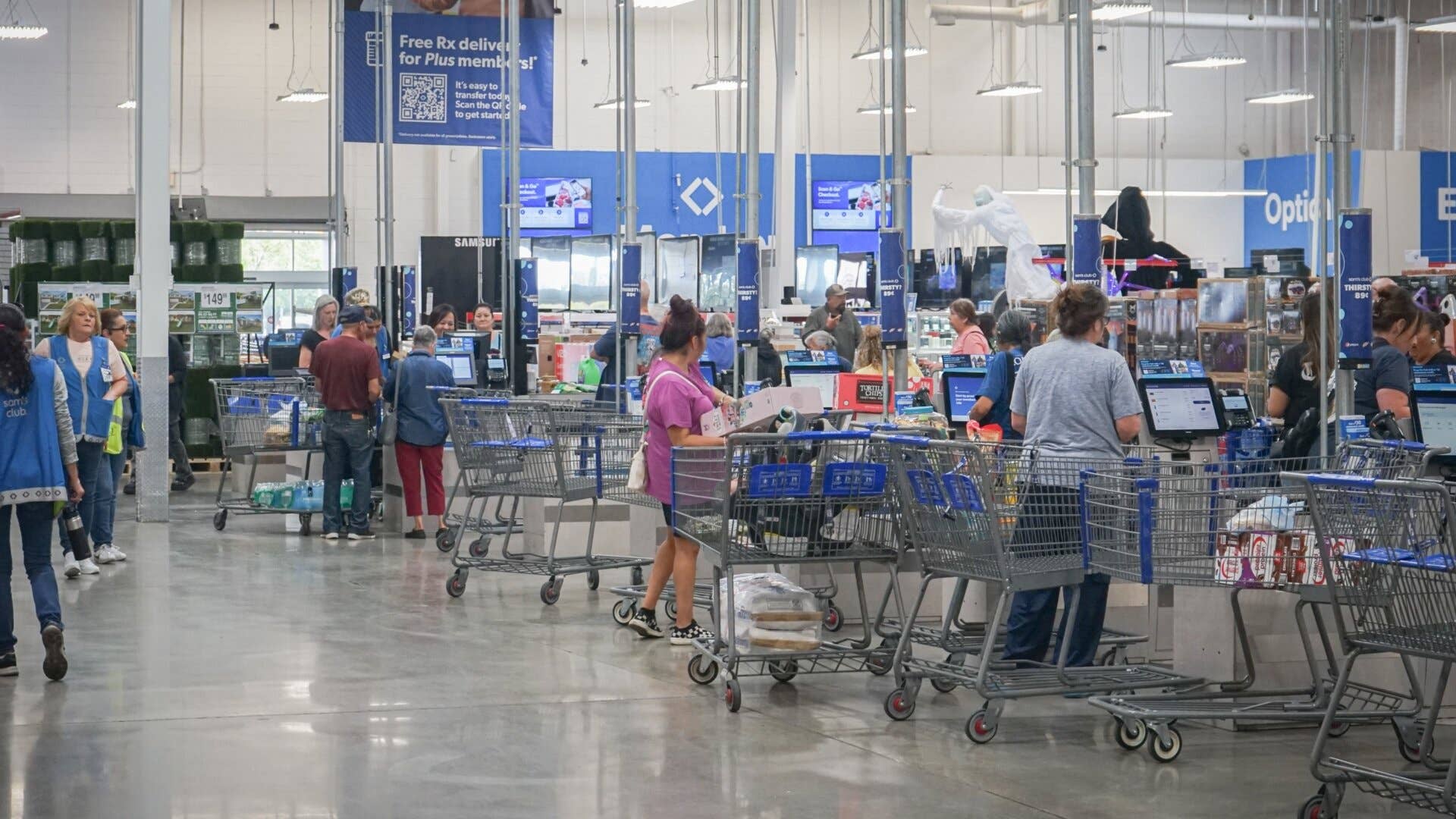 Sam’s Club rival Costco does not have an influencer network.
Shutterstock
Influencer marketing keeps growing
The more significant shift, however, is structural. Influence is now embedded in the purchase decision process itself.
Sam’s Club parent company, Walmart, has embraced influencers as part of its Walmart Connect program.
“Customers can discover and purchase new products through our search and native display ads, or through creative in-store or social experiences,” Walmart Connect General Manager Rich Lehrfeld wrote.
Walmart’s advertising business reflects that shift at scale.
“Globally, advertising grew 26%, including 30% growth for Walmart Connect in the U.S. Advertising sales driven by marketplace sellers were up nearly 50%,” Walmart shared in its second-quarter earnings call.
That reflects a broader industry shift in how influence is integrated into retail decision-making.
“External influencers are reshaping the purchase decision-making process as integral members of the extended buying network,” according to Forrester Research’s 2025 External Influencers Drive Buying Group Decisions. “Modern buyers increasingly turn to trusted voices for insights and recommendations, often placing greater confidence in these sources than in the vendors themselves.”
Using influencers is only a piece of the sales puzzle, according to Neil Patel.
“Influencers are powerful for exposure and sales, but weak as checkout buttons. Brands win when they use influencers to build memory and trust over time,” he shared on the NP Digital website.
Influencers, or creators as they’re often known, are no longer optional, according to Emarketer Analyst Max Willens.
“Creators have really graduated from being a bright, shiny object in the eyes of many CMOs several years ago to really becoming a critical plank in most marketing strategies today,” he said at a February online conference.
Willens added that creators have “long since transcended and escaped from social as a place to activate, with retailers, media networks, and entertainment giants all leveraging creators.
Related: Olive Garden rival down to 38 restaurants after two bankruptcies