
Apple is heading into its most closely watched developer conference in years with a record quarter behind it and one of the highest-stakes AI announcements in its history in front of it.
The stock has climbed 15% year to date, services revenue hit an all-time high of $31 billion in the March quarter, and Wall Street has spent the better part of two months debating whether WWDC will finally establish Apple as an AI winner.
Citi’s message going into June 8 is more specific than the consensus suggests , and it is not only about artificial intelligence.
What Citi’s Atif Malik is watching at WWDC 2026 and why
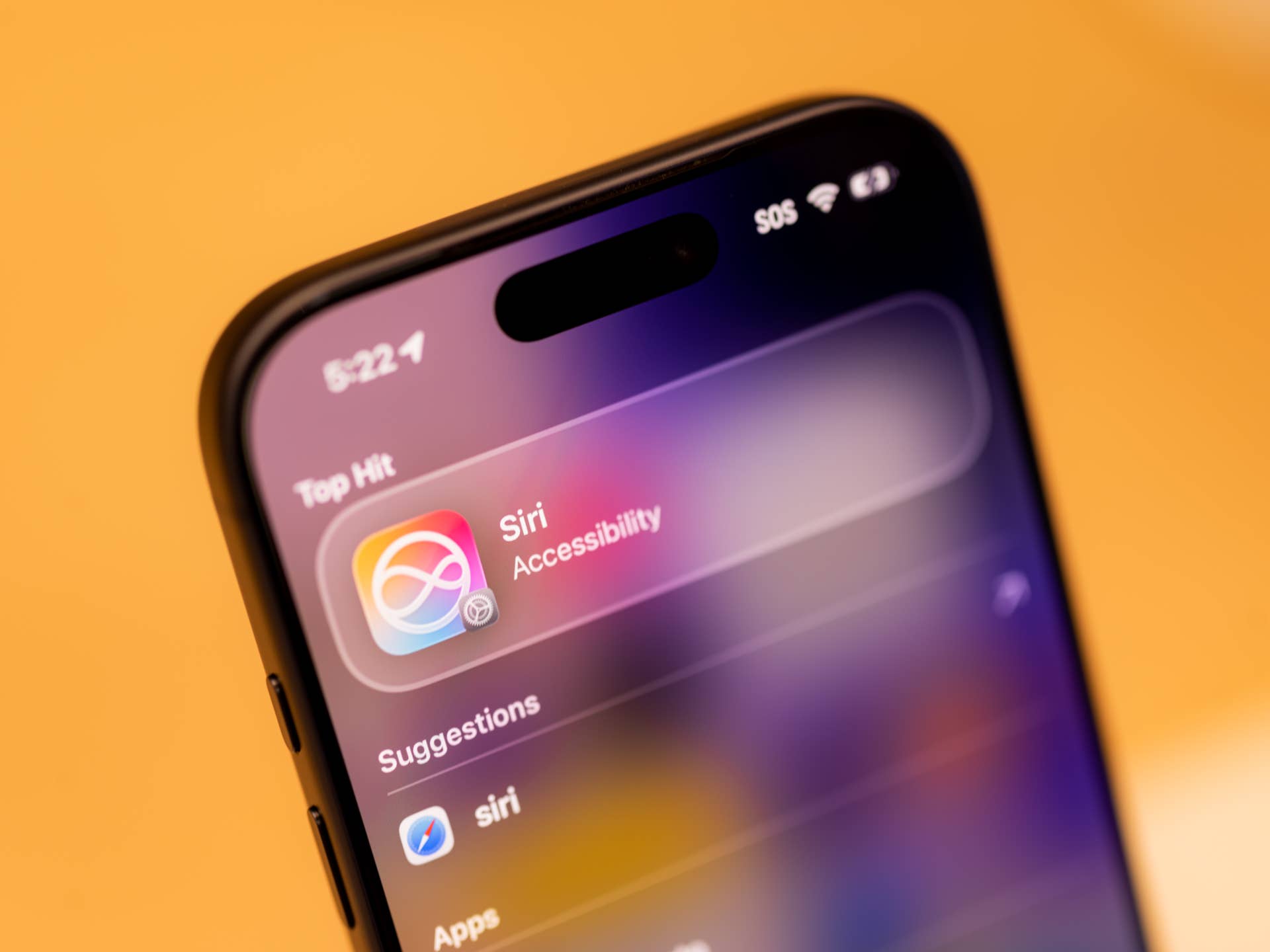
Citi analyst Atif Malik told investors in a note ahead of the conference that the most closely watched element of WWDC 2026 will be how Apple (AAPL) integrates a revamped Siri across its operating system and ecosystem, with particular focus on whether it lays the groundwork for agentic AI workflows, according to Investing.com.
The key question, in Malik’s view, is whether Apple demonstrates autonomous agents capable of completing multi-step tasks on behalf of users, such as managing reservations, shopping decisions, and travel logistics across applications.
Citi reaffirmed its Buy rating and $315 price target on Apple ahead of the conference. Malik expects the new Siri to function more like OpenAI’s ChatGPT, working across Apple’s operating systems rather than simply responding to voice commands.
“Siri will handle multi-step requests, understand personal data, analyze on-screen content, generate emails or messages using both web and device context,” he wrote. Citi sees the Siri revamp as the key to unlocking Apple’s edge AI opportunity, AI processing done locally on devices, according to Investing.com.
Citi also cautioned investors against expecting a landmark moment. The full Siri update is expected to ship in the fall rather than immediately, meaning WWDC is more likely to be a preview of Apple’s AI direction than a completed product launch.
What the Apple Cash bill-splitting feature means for investors
Alongside the AI conversation, Bloomberg’s Mark Gurman reported on June 1 that Apple is planning to introduce a bill-splitting feature for iPhone users in iOS 27, to be announced at WWDC on June 8.
Users will be able to photograph a receipt, assign items to different people, account for taxes and tips automatically, and generate payment requests that can be settled through Apple Cash, according to Bloomberg.
The feature directly targets Venmo, Cash App, Splitwise, Tab, and Settle Up, all of which offer bill-splitting tools on the iPhone.
The difference is that Apple’s version would be embedded natively in the operating system and Apple Wallet, giving it an integration advantage that third-party apps cannot replicate. Shares of PayPal and Block moved off their highs immediately following the report, Bloomberg confirmed.
Apple’s strategic logic is straightforward. The company’s services business already generates $31 billion per quarter at a gross margin above 75%.
Each new financial feature embedded in the ecosystem is another reason for users to conduct everyday transactions inside Apple’s platform rather than through a competitor’s app. That compounds over a 2.2 billion active device installed base in a way that most standalone fintech apps cannot match.
 Citi also cautioned investors against expecting a landmark moment
Henry/Getty Images
What Wall Street analysts expect from WWDC 2026 for Apple stock
Citi is one of several firms raising the stakes around WWDC. Morgan Stanley analyst Erik Woodring argued that low investor expectations create a favorable setup for a narrative re-rating.
A polished AI platform and clear agentic vision could lift Apple’s valuation to $365-$385 per share, with upside to $440, according to Motley Fool. Morgan Stanley carries an Overweight rating and $330 price target on the stock.
Wedbush’s Dan Ives moved his target to $400, the highest among major firms. Evercore ISI raised to $365 and Melius analyst Ben Reitzes raised to $385, citing what he called real AI sizzle.
Bank of America raised its target to $380, forecasting $15-30 billion in AI-related revenue for Apple by fiscal 2030, according to AppleInsider.
Key figures on Apple’s position heading into WWDC 2026 on June 8:
- Apple Q2 fiscal 2026 results: revenue $111.2 billion, up 17% year over year; iPhone revenue $57 billion, up 22%; services revenue $31 billion, an all-time high with a gross margin above 75%; active device installed base 2.2 billion, according to Motley Fool
- Apple’s rebuilt Siri is reportedly based on a 1.2 trillion parameter system developed with Google; Apple pays Google approximately $1 billion per year for access to the custom model; sensitive queries run on Apple’s private servers, with the cloud model handling heavier reasoning tasks, according to Motley Fool
- Apple’s bill-splitting feature is described in the industry as a textbook case of “Sherlocking” , embedding capabilities that eliminate demand for standalone third-party apps; previous examples include Apple building its own password manager, PDF editor, and podcast app, each of which displaced dedicated competitors, according to Bloomberg
- Apple guided for Q3 fiscal 2026 gross margin of 47.5% to 48.5%, down from 49.3% in the March quarter; CEO Tim Cook warned that memory costs are set to rise sharply, creating a near-term margin headwind that makes services growth more important to the investment case, according to Motley Fool
- AAPL is trading around $310 heading into WWDC, near its 52-week high of $315; year-to-date gain of approximately 15%; the stock’s elevated multiple leaves little room for a soft AI narrative at the June 8 keynote, according to Investing.com
What the WWDC announcements mean for Apple stock investors
Apple enters WWDC 2026 with the strongest fundamental position it has had in years. Services revenue at an all-time high, iPhone momentum returning, and a 2.2 billion device installed base that gives every new feature immediate global distribution.
The question the market is asking is not whether Apple is a strong business. It is whether the company can credibly position itself as an AI winner on June 8 in a way that sustains the stock’s current multiple.
The bill-splitting feature is a small but instructive example of how Apple operates. It is not building a standalone payments app.
It is embedding a financial tool into an operating system already running on 2.2 billion devices, removing a reason for users to download a competitor’s product. That is the services flywheel in practice, and it is why Apple’s services gross margin has stayed above 75%.
Citi’s caution against expecting a landmark WWDC moment is the most important framing for investors. The AI story Apple tells on June 8 will matter enormously for near-term sentiment.
But Apple’s long-term competitive position is being built feature by feature, service by service, in a way that does not depend on any single keynote. The question for investors is whether they are pricing the business or the moment.
Related: Morgan Stanley sees major upside for Apple stock ahead of WWDC