
Starbucks is on a roll right now.
U.S. comparable-store sales jumped 7% last quarter, transactions are increasing across all income groups, and operating income is inflecting for the first time in two years.
But behind the momentum, Chairman and CEO Brian Niccol is quietly making moves that could reshape what Starbucks (SBUX) looks like beyond American borders.
The company is now weighing major structural changes in one of its most important international markets, and the decision it makes could have real implications for investors.
Starbucks eyes a $2.5B stake sale in Japan
According to Bloomberg, Starbucks has held early-stage talks with investment banks about its options for its Japan business, which currently operates around 2,100 stores, most of them company-owned.
- One scenario under discussion: a partial stake sale valued somewhere between ¥400 billion and ¥500 billion, which works out to roughly $2.5 billion.
- An initial public offering of the Japan business is also on the table, Bloomberg reported.
- No final decision has been reached, and a Starbucks spokesperson declined to comment.
- Late last year, Starbucks sold a 60% stake in its China retail operations to Boyu Capital for approximately $4 billion.
CEO Brian Niccol called the China deal a milestone in the company’s strategy to pursue disciplined, sustainable international growth.
More Retail:
- Another mall retailer quietly closed over 150 locations
- Ultra wealthy shoppers flock to this 63-year-old rugged retailer
- 72-year-old mall retailers to close more stores in 2026
Japan would be a natural next step in that same direction.
Bloomberg Intelligence analysts Catherine Lim and Peter Tang described the potential Japan move as part of a broader pivot toward asset-light joint-venture models outside the U.S., a structure that frees up capital to reinvest in the brand, product innovation, and digital capabilities.
Analyst Michael Halen added that the approach could help Starbucks surpass its operating margin target of at least 13.5% by 2028.
Why Japan matters is key for Starbucks
Japan has always been a cornerstone of Starbucks’ international story.
Bloomberg reported that the coffee giant entered the market through a joint venture with Sazaby League in 1995 and took the local unit public in 2001.
By 2015, it had brought the whole operation back under corporate control.
CEO Niccol noted in April that the Japan business delivered “outstanding” results last quarter, driven by strong New Year’s sales, healthy tourism, and successful new product launches.
So why consider selling a piece now? The answer lies in the direction Niccol is steering the overall business.
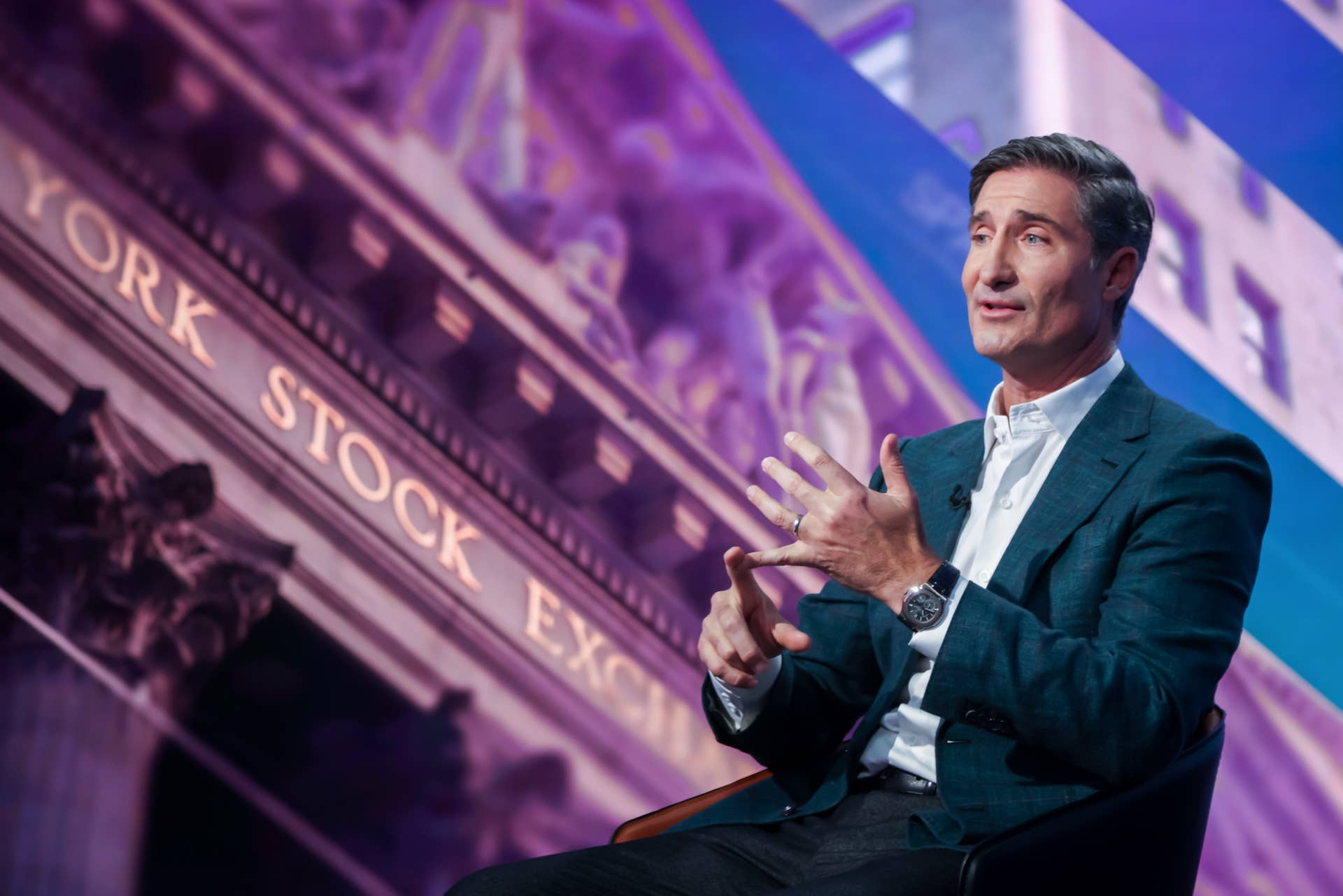 Brian Niccol, CEO of Starbucks aims to revamp business operations
Niccol’s turnaround is real
At the Evercore Consumer & Retail Conference earlier this month, Niccol broke down where the business stands today.
His message: the foundation is fixed, and the company is now building on its strengths.
Niccol stated:
“For any turnaround, you have to get the operational foundation healthy. That’s really where we spent our time.”
About 70% of stores now score 4 shots or better on Starbucks’ internal performance scorecard. The U.S. morning daypart is recovering, with roughly 50% of sales occurring before 10:00 a.m.
And the afternoon daypart, long a weak spot, is starting to develop real momentum through Matcha, Energy Refreshers, and the coffeehouse uplift program.
Starbucks has completed around 700 coffeehouse uplifts so far, spending roughly $150,000 per store, a fraction of what old remodel programs cost. The goal is to reach at least 8,000 stores by 2028.
Related: Starbucks CEO sends blunt message on consumer spending
At the Bernstein conference in May, CFO Cathy Smith highlighted the $2 billion cost-saving program as a key lever going forward, split roughly evenly among cost of goods sold (COGS), operating expenses, and general and administrative (G&A) costs.
The G&A savings are largely done, while COGS and operating expense savings are next in line.
Global comparable-store sales rose 6.2% year-over-year last quarter, as Starbucks’ broader recovery takes hold.
What a Japan deal means for SBUX stock
The strategic logic here is fairly straightforward: Starbucks has deep brand equity in Japan and a strong market position.
By monetizing part of that equity, whether through a stake sale or IPO, the company raises capital without sacrificing the business itself.
That capital can then be recycled into the areas Niccol has flagged as still needing work: technology, supply chain, store development, and the afternoon daypart.
It also shifts Starbucks away from being a capital-heavy operator of international real estate, and toward being a brand that earns licensing fees and royalties from well-capitalized local partners.
That’s a model that tends to carry higher margins and less operational risk.
For investors watching the turnaround, it signals that Niccol isn’t just fixing the U.S. business. He’s rethinking how Starbucks earns money everywhere else, too.
Related: Jim Cramer has bold new message for Starbucks investors