
JPMorgan Chase spent five years trying to close one of the most embarassing chapters in its acquisition history. Now the case has a new variable it cannot control.
Charlie Javice, the founder of student-finance startup Frank, is seeking a presidential pardon from President Donald Trump, according to The Wall Street Journal. Javice was convicted in March 2025 of fabricating millions of customer accounts to inflate Frank’s value before selling it to JPMorgan for $175 million.
She is currently serving an 85-month prison sentence, the U.S. Department of Justice confirmed, and is appealing the conviction.
The pardon effort puts JPMorgan in an unusual position. The bank is the victim of the fraud case. But it is also the defendant in a $5 billion lawsuit President Trump filed in January 2026, accusing JPMorgan and CEO Jamie Dimon of closing his accounts for political reasons after the Jan. 6 Capitol riot, according to Bloomberg.
If Trump grants the pardon (and there’s no indication yet if he will), he would ostensibly be doing a favor for a woman convicted of defrauding one of his most prominent legal adversaries.
JPMorgan has not publicly commented on the pardon reports.
What the Frank deal actually cost JPMorgan
The $175 million acquisition price was only the beginning of the bank’s losses. Frank had claimed more than 4 million student users. Post-acquisition reviews found fewer than 300,000 legitimate registered users, according to court records.
JPMorgan deployed a 350-person due diligence team and still missed the discrepancy, according to legal analysis firm Practus.
Related: JPMorgan doubles down on stock market message for 2026
The sentencing judge, U.S. District Judge Alvin Hellerstein, criticized the bank directly, saying JPMorgan had “a lot to blame themselves” for regarding the failed acquisition, Click2Houston reported.
The legal costs compounded from there. A Delaware court ruled that JPMorgan was contractually obligated to advance Javice’s legal defense costs under the merger agreement.
The bank paid roughly $115 million in legal fees for Javice and her co-defendant Olivier Amar, AP News confirmed.
JPMorgan is now contesting those fees in court, arguing the total is excessive.
Civil cases involving the SEC and JPMorgan’s own recovery litigation were paused during the criminal trial; those cases are now reopening.
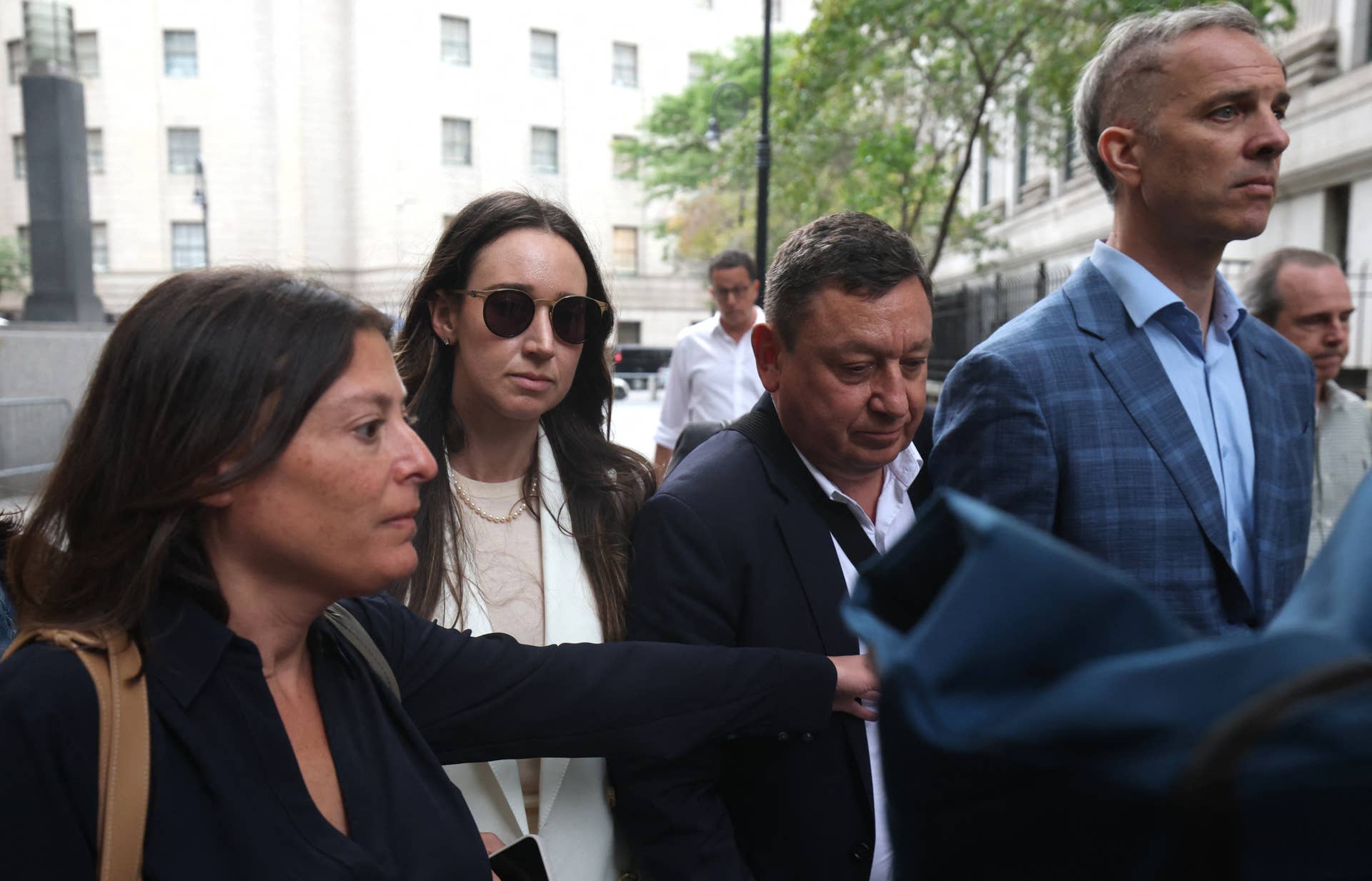 Frank founder Charlie Javice seeks a presidential pardon after her fraud conviction.
TIMOTHY A. CLARY / Getty Images
Why the pardon effort has political traction
Javice’s name has not appeared on a formal clemency request list at the Justice Department. But the timing matters.
The Trump administration is reportedly weighing roughly 250 pardons this summer to mark America’s 250th anniversary, and a wave of clemency requests is coming from white-collar defendants.
More JPMorgan:
- JPMorgan resets UnitedHealth stock target for 2026
- Ripple CEO sends harsh message to JPMorgan’s Dimon
- JPMorgan resets Broadcom stock price target
Javice has retained influential support. Apollo Global Management (APO) CEO Marc Rowan, an early Frank investor, testified on her behalf at trial and wrote to the court urging leniency, according to The Wall Street Journal.
Rowan has donated to Trump’s campaigns, and since Trump’s reelection, he has contributed millions to Republican congressional groups, Forbes noted.
Trump considered Rowan for Treasury Secretary after his 2024 election victory and later appointed him to two governing bodies overseeing Gaza policy in January 2026.
That is not a donor on the margins. That is a direct line.
A man with that level of access to the White House advocating for a specific pardon recipient may signal that this effort is more than a long-shot appeal.
What this means beyond JPMorgan
The Frank deal became a reference point for how large institutions value startup user metrics.
Evidence showed Javice paid a data scientist roughly $18,000 to generate synthetic user data, which was then presented to JPMorgan during the acquisition process as proof of scale.
A 350-person team reviewed the deal and accepted self-reported figures without independent verification, according to Practus.
The case has already pushed acquirers toward direct sampling of user database and independent verification of engagement data rather than founder-provided figures.
The broader question the Javice pardon raises is separate and harder to price. A presidential clemency could embolden the next one to believe that the worst-case outcome is negotiable.
For acquirers pricing the risk of buying fast-growing private companies on self-reported metrics, that is not an abstract concern.
The Frank case was already the starkest reminder in years that user numbers can be faked and nine-figure deals can unravel. If the conviction that followed can be undone by the right political connections, the lesson changes entirely.
Related: Medicare unknowingly funded a billion-dollar fraud ring