
For decades, your favorite sitcoms and soap operas have had hidden sponsors.
In fact, the arrangement has been so pervasive that soap operas literally earned their nickname due to the sheer number of Procter & Gamble advertisements that ran between scenes.
Now, nearly a century after Procter & Gamble’s first sponsored soap opera, “Ma Perkins,” hit the airwaves, the company is once again trying its hand at using new forms of media to sell its products.
But this time the company is teaming up with a surprising partner — Albertsons.
Albertson’s and P&G are bringing back the soap opera
In June, Albertsons announced it would be launching a number of scripted microdramas through its Media Collective arm.
The project represents “a new lane for brands inside its retail media network” and is pioneering a new category for the industry, “episodic, scripted branded entertainment, co-created with retailer shopper intelligence and distributed across the Albertsons Media Collective platform,” the grocery chain says.
Ever at the forefront at the intersection of retail and media, Procter & Gamble will be Alberton’s first partner in the venture.
“The brands that will win are the ones that connect with shoppers in relevant, everyday moments,” Lela Coffey, vice president of user growth acceleration at P&G, said in a statement. “What makes this collaboration notable is that the creative was developed with Albertsons Cos. using shopper insights at the outset, rather than applying data only after the work is made. That creates a closer link between the story, the audience, and the commercial outcome.”
The companies’ inaugural production, “Rico’s Tacos,” will launch on June 23, on Albertson’s YouTube channel. Each 1-2 minute episode will follow the story of a newly-widowed father, his teenage daughter, and their extended family members as they work to build a taco business and navigate topics like identity and resilience.
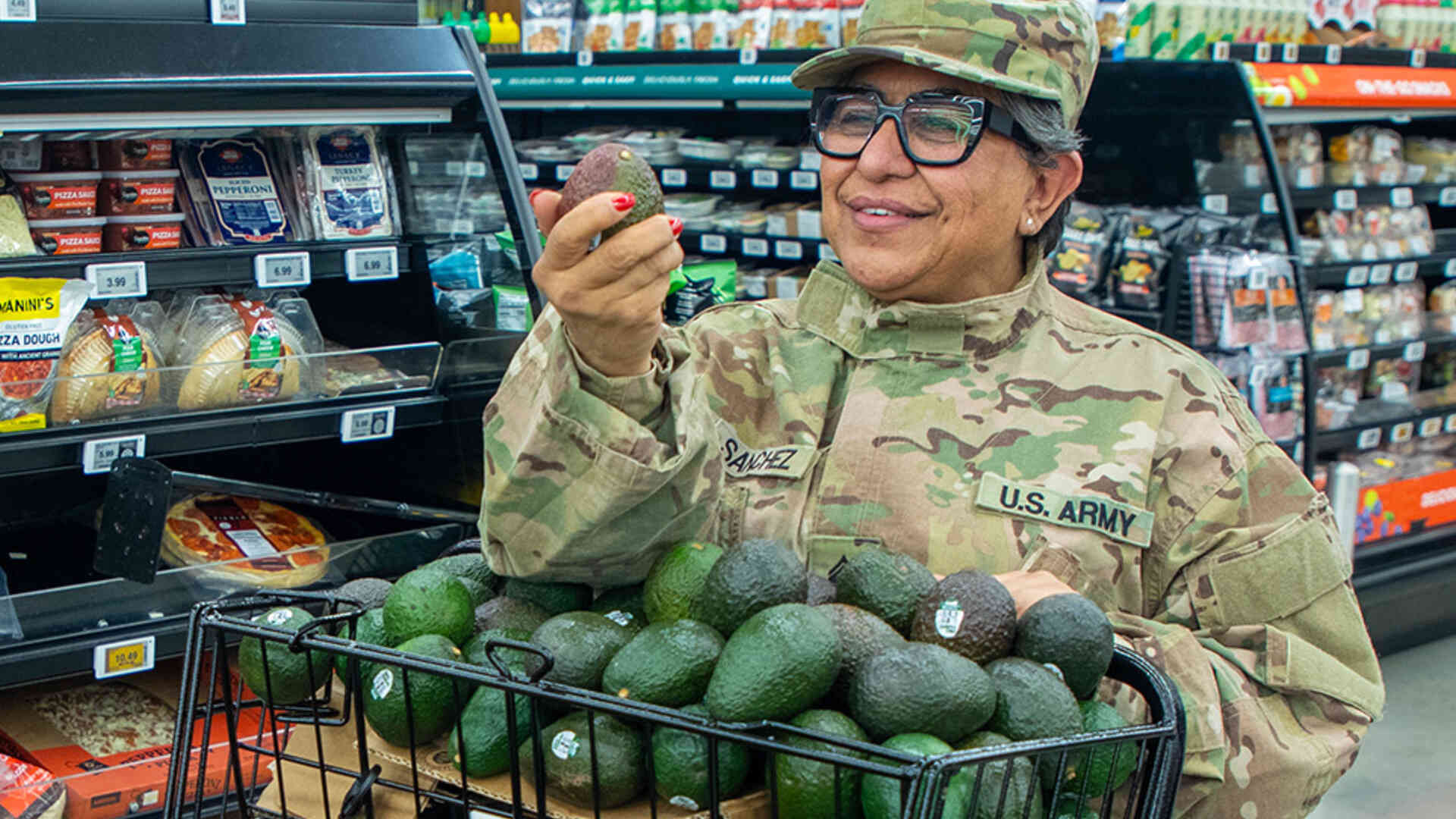 Albertsons has teamed up with Procter & Gamble to create a new microdrama, “Rico’s Tacos.”
Why microdramas are an advertising force
Microdramas are a strong bet for organic marketing.
In 2026, the miniseries are expected to generate $11 billion in global revenues, according to Digiday. While much of that is coming from China, the over-the-top programs are gaining traction in America, especially on platforms like TikTok.
“Micro dramas are catching on in the U.S. because their stories’ outsized emotions, sharp plot twists and short run times are structurally optimized for sharing on social networks,” Max Willens, principal analyst at eMarketer, told Digiday.
More grocery news:
- Kroger’s new CEO reveals the chain’s biggest problems
- Kroger stock slide reveals bigger grocery problem
- Kroger CEO spots troubling new grocery trend
“Scripted content already constitutes a substantial share of time spent on some of these platforms — film and TV clips are the fourth most viewed type of content on TikTok, for example — and so it’s not surprising that micro dramas travel well on them, both organically and inorganically,” he continued.
By integrating products directly into these short-form series, P&G may be able to reach consumers at a moment when they are actively choosing to engage. This could give them far more reach than traditional advertisements, which are often barely tolerated or completely skipped.
Brands are searching for new ways to advertise
The strategy arrives as companies search for alternatives to traditional advertising, which consumers increasingly skip, block, or ignore.
Nielsen research has found that brand recall is one of the strongest drivers of brand lift, influencing metrics such as awareness and purchase intent.
“Nielsen’s experience base shows that on average, a 1-point gain in brand metrics such as awareness and consideration drives a 1% increase in sales,” one 2021 study found. “While it might be easy to dismiss a single percent as immaterial, a 1% return on sales of $1 billion equates to $10 million, which is far from immaterial.”
The company has also found that brand recall is the largest driver of brand lift in emerging media, like microdramas, influencing metrics such as awareness and purchase intent.
By embedding products inside entertaining and engaging content, brands like P&G and retailers like Albertson’s may be able to create repeated exposure that conventional commercials struggle to achieve in today’s digital age.
As retailers increasingly seek to influence purchasing decisions long before shoppers set foot in their aisles, media like “Rico’s Tacos” could become an important new tool for driving awareness, consideration, and ultimately sales.
It’s the soap opera effect all over again, reimagined for the TikTok era.