
Being the richest person in world history comes with its own headaches, and Elon Musk has a migraine-sized one when it comes to his legal battles.
Tesla is being sued for autopilot crashes, for misleading statements about Robotaxi, and for alleged workplace discrimination. Musk himself was recently in court for his lawsuit against OpenAI, and the NAACP is suing Musk over xAI’s use of polluting gas turbines at a Mississippi data center. He even recently lost a paternity case filed by his baby’s mother.
It’s safe to say that the court system is simply a part of his life at this point. Still, even with all of his experience in court, there are still rulings and cases that make you scratch your head.
Take the lawsuit the U.S. Securities and Exchange Commission filed against him, for example.
SEC settles over Musk’s alleged deception during Twitter purchase
This week, a judge accepted a settlement agreement between the SEC and Elon Musk over improprieties during his purchase of Twitter in 2022.
Musk supposedly used deception to save himself $150 million in closing costs during the purchase.
The settlement allows Musk to deny any wrongdoing, and his penalty represents only 1% of the $150 million total, leading the judge who approved the settlement to question everything.
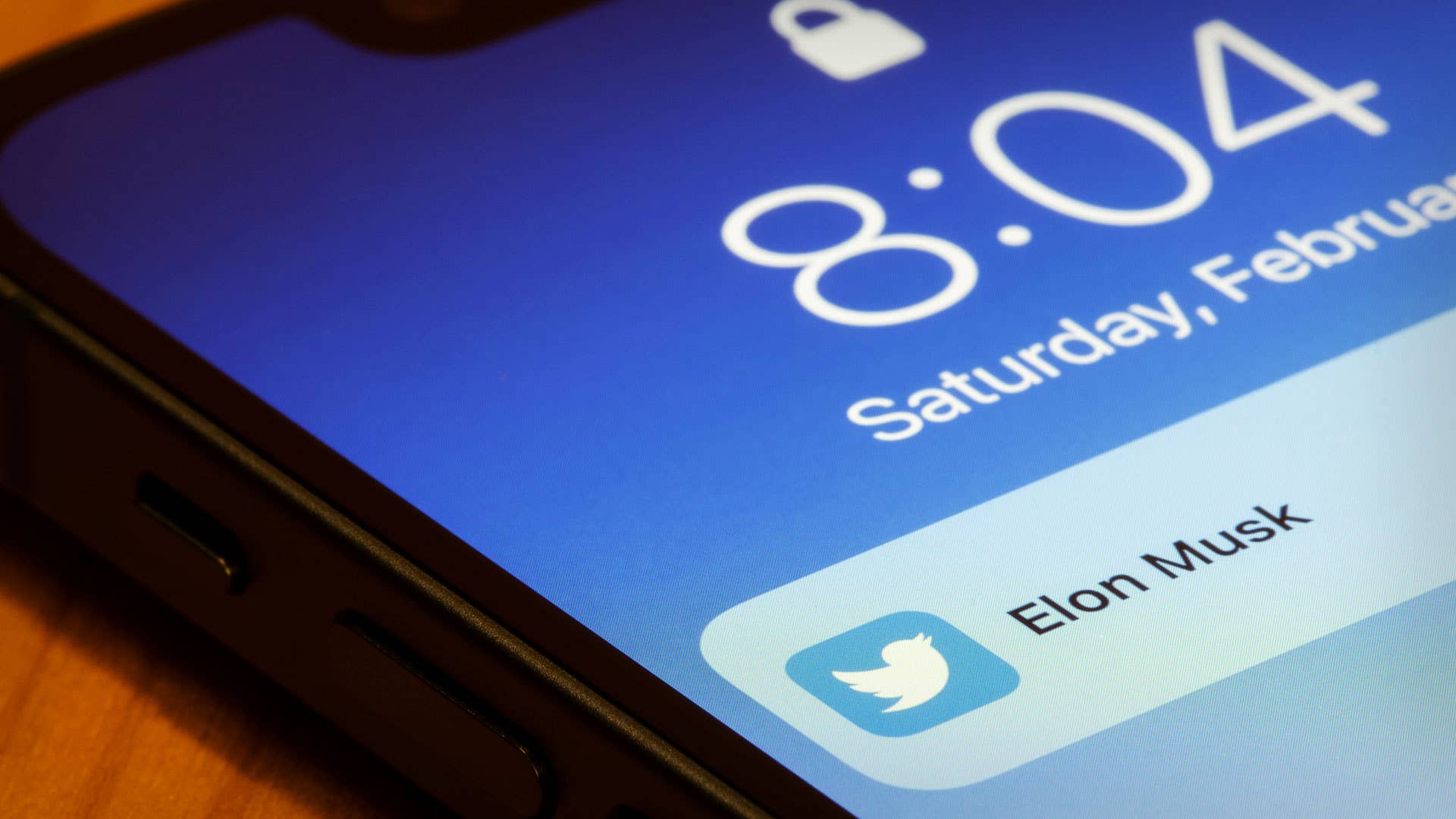 A lawsuit the SEC filed against Elon Musk accused him of using deception to save closing costs during the purchase of Twitter.
Shutterstock
Elon Musk trial judge hates the settlement she approved
This week, the SEC’s lawsuit against Elon Musk over his purchase of Twitter reached its conclusion with U.S. District Judge Sparkle Sooknanan approving a settlement that levied a $1.5 million penalty against the billionaire.
The SEC filed the lawsuit in 2025, just days before President Donald Trump took office, over Musk’s purchase of the social media platform in 2022. The regulatory body claimed that Musk shaved $150 million off the company’s $44 billion purchase price by failing to disclose his growing stake in the company.
So the $1.5 million penalty represents just 1% of that total, and the judge clearly was not happy with the outcome.
In her opinion, Sooknanan said that her court was “limited to evaluating whether the proposed consent judgment meets minimum standards of fairness and reasonableness,” or whether it “make[s] a mockery of judicial power.”
“Although the Court has significant misgivings about the settlement reached in this case, it cannot say that the settlement meets that high threshold,” Sooknanan wrote in the ruling.
Musk had originally petitioned the court to throw out the complaint outright, but the court denied that motion.
Eventually, this version of the SEC under Trump filed an amended complaint that the court ruled on this week. That amended complaint also added a revocable trust as the defendant alongside Musk.
Court notes “red flags” in SEC-Musk settlement
The court did note that “some things about this settlement… raise some red flags.”
These included the fact that the SEC filed the amended complaint just three minutes before the consent judgment motion, and the fact that Musk’s own lawyers admitted that “there had been conversations with the government that a settlement in this case was likely.”
The addition of the trust as a defendant was also a red flag for the judge, since it seemed as though “the Trust [was] being brought in for the sole purpose of Mr. Musk being able to say that no relief was entered against him in his personal capacity.”
Despite her misgivings, the judge noted that “the court’s duty when passing upon a settlement agreement is fundamentally different from its duty in trying a case on the merits.”
Her role in this case was just to make sure that the settlement wasn’t a “mockery,” though some might say the court’s decision failed in that regard as well.
Related: Tesla faces lawsuit from family of victim killed in Texas home crash