
Anyone who has ever hit a wall of hidden fees while trying to cancel a subscription knows the frustration, and Adobe built part of its reputation on that exact complaint.
Federal regulators spent two years building a legal case around it. This week, some of those same regulators cleared Adobe’s newest acquisition faster than almost any deal of its size in years.
The Federal Trade Commission granted an early termination notice for Adobe’s pending purchase of Topaz Labs on July 28, letting the deal close before the standard 30-day antitrust waiting period even runs out.
Adobe (ADBE) shares jumped nearly 6% on the news, according to Seeking Alpha. The market read it correctly. Getting waved through this quickly is not something regulators do often.
Related: Adobe’s rating cut to underweight as CEO search drags on
What Topaz Labs actually builds
Topaz Labs is a Dallas company that makes AI models for sharpening, denoising, upscaling and restoring video and photos, tools long favored by photographers and filmmakers who wanted more control than Adobe’s own editing software offered.
Its Emmy-winning restoration tech has been used to remaster archival footage frame by frame.
Adobe announced the acquisition on June 25, saying it plans to fold Topaz’s models into Firefly and Creative Cloud apps like Photoshop and Premiere.
Topaz also brings Neurostream, technology that runs large AI models on a user’s own device instead of the cloud. Topaz CEO Eric Yang said the two companies share a belief.
We’ve always believed that technology should serve human creativity rather than replace it — and so has Adobe. Together, we believe we can dramatically expand what’s possible for filmmakers and creators everywhere.
The same executive, a very different outcome
Here is the detail that most coverage of this deal has missed. The Adobe press release announcing Topaz Labs quotes David Wadhwani, president of Adobe’s Creativity and Productivity business.
Wadhwani is also one of two executives the government named personally when the FTC and DOJ sued Adobe in June 2024 over hidden cancellation fees.
That case ended in March with Adobe agreeing to a $150 million settlement, split evenly between civil penalties and free services to customers, according to Bloomberg.
The government’s complaint described Adobe’s cancellation fee as functioning like “a powerful retention tool” that trapped subscribers.
That case was about consumer protection law, not antitrust. But the timing is notable. The same executive at the center of a deceptive practices settlement is now the face of a deal that breezed through the government’s competition review in about a month.
It is a reminder that federal agencies keep those two lanes separate, even when the same company and the same name show up in both.
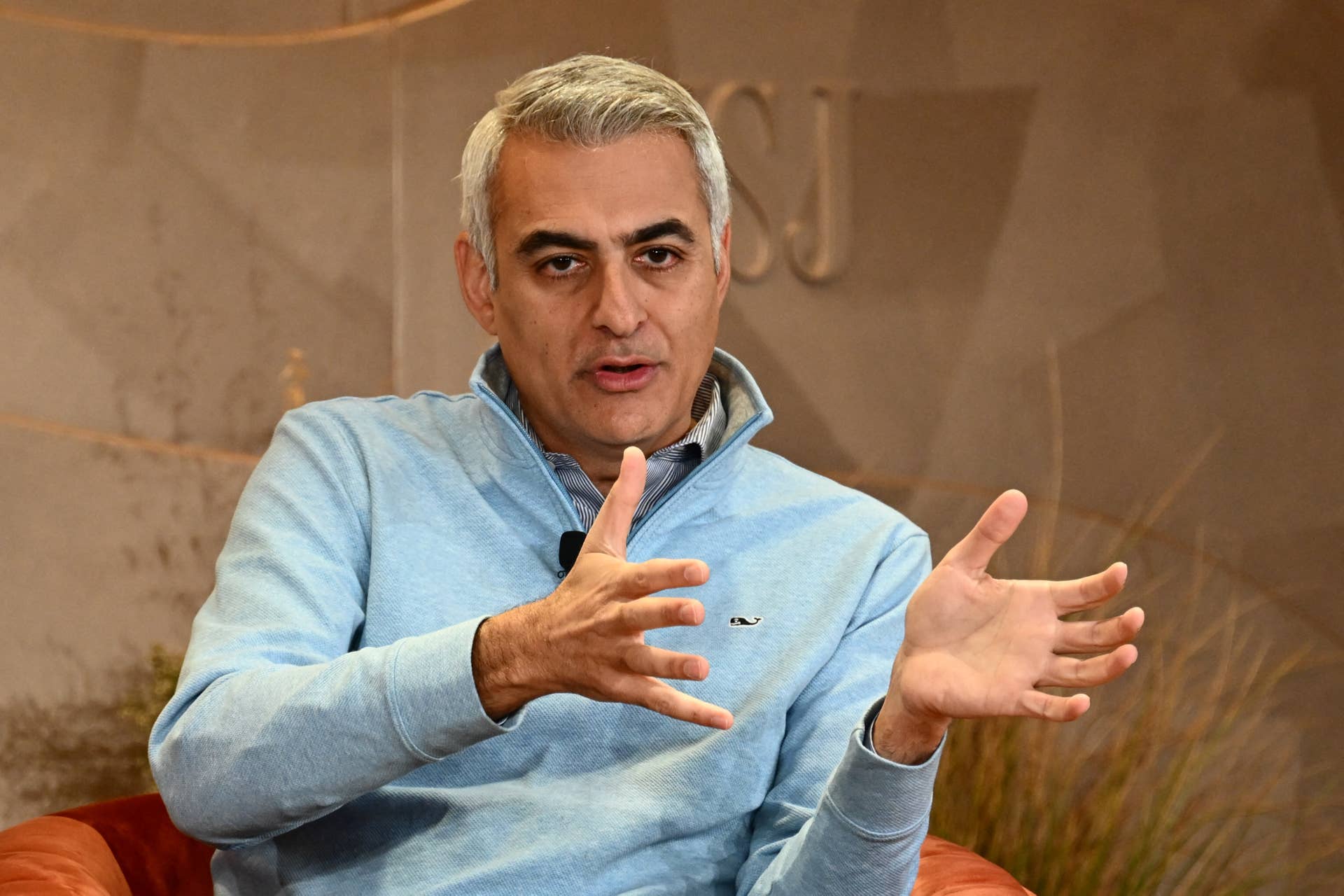 Adobe’s Topaz Labs deal cleared FTC review in about a month, far faster than the Figma acquisition regulators blocked in 2023.
PATRICK T. FALLON / Getty Images
Why the Adobe deal moved so fast
Adobe knows what a slow, painful review looks like. Its $20 billion bid for Figma collapsed in December 2023 after 15 months of pressure from UK and EU regulators, who argued the deal would eliminate a real competitor in design software, according to CNBC.
Adobe paid Figma a $1 billion breakup fee and walked away.
Topaz Labs is a different animal. It does not compete with Adobe’s core products, it sells enhancement tools that plug into workflows Adobe already owns, and the deal is estimated at $700 million to $1 billion, far smaller than Figma. Regulators had less to object to.
There is also a broader, underreported piece of context. The FTC suspended its early termination program entirely in February 2021 and did not bring it back until February 2025, four years in which almost no deal got fast-tracked, regardless of size.
Adobe is not getting special treatment. It is benefiting from a policy the current FTC has been quietly using all year to speed low-risk mergers through the system.
More Adobe:
- Adobe’s rating cut to underweight as CEO search drags on
- Citi resets Adobe stock price target
- Why Accenture and Omnicom just handed Adobe their AI playbook
The bigger signal for AI dealmaking
The Topaz clearance fits a pattern. Since early termination returned, regulators have been distinguishing between mergers that consolidate market power and bolt-on acquisitions that add a capability without removing a competitor.
AI tooling deals, where a large platform buys a smaller specialist rather than a rival, are increasingly landing in the second category.
That distinction matters for every software company sitting on a shortlist of AI startups to acquire.
The Figma outcome taught dealmakers that regulators fear ecosystem lock-in. The Topaz outcome suggests that fear has limits, and that a well-scoped, non-competing AI acquisition can now move through Washington in weeks rather than months.
Adobe’s next move, and how fast peers try to copy this playbook, will show whether that is a rule or a one-off.
Related: JPMorgan just sent stock market investors a signal worth watching