
McDonald’s just slammed the brakes on its growth timeline.
The fast food giant now expects to reach 50,000 restaurants globally in 2028, a shift from its earlier target of reaching that milestone by the end of 2027.
The delay comes as the company also reported a rough quarter in its home market.
U.S. sales grew just 0.8%, and a number of executives openly admitted it fell short of what they wanted.
McDonald’s pushed back its 50,000 store goal
McDonald’s (MCD) Chief Financial Officer Ian Borden explained the decision during the company’s second quarter 2026 earnings call.
He pointed to two main forces behind the change: rising costs to build new restaurants and a consumer who is pulling back on spending. Borden stated:
“Due to the current pressured consumer environment, coupled with the cumulative inflationary impact on development costs, we now expect to reach 50,000 restaurants globally in 2028.”
Related: McDonald’s rival closing hundreds of restaurants
Even with the delay, McDonald’s says this remains the fastest stretch of restaurant growth in company history, with plans to open about 2,600 new locations by the end of this year.
Borden was careful to frame the change as minor. “I don’t think we have changed our perspective on the opportunity that continues to remain from development,” he said.
“We’ve simply adjusted our pace to reflect the significant changes in the external environment.”
McDonald’s U.S. business hit a rough patch
The store delay is only part of the story. McDonald’s also had to explain why its U.S. business slowed sharply in the second quarter.
CEO Chris Kempczinski was blunt about what went wrong.
“We don’t have a strategy problem,” he said during the Q2 earnings call. “We simply didn’t execute at the level we needed to in the second quarter.”
Three issues stood out.
First, restaurants inconsistently rolled out a new value menu featuring items under $3. Only about 60% to 65% of locations followed the recommended pricing.
Second, restaurant teams got buried under too many changes at once. Between a new movie tie-in meal, a value menu overhaul, a beverage platform launch, and a FIFA World Cup promotion, crews barely had time to catch their breath.
Kempczinski used a simple example to explain the problem. He described a restaurant manager training staff on one big launch, only to be asked to change the value menu weeks later, then roll out new beverages, then prepare for another marketing push.
“If you also think about it from a customer standpoint, it’s tough to break through when you have that many messages out there,” he said.
Third, marketing campaigns during the quarter simply underperformed expectations, including the FIFA tie-in.
McDonald’s estimates that pricing missteps accounted for roughly two-thirds of its traffic shortfall in the quarter.
Part of the issue was timing.
- As the company pushed its new budget menu, it also pulled back digital deals and ended a popular offer that let loyal customers buy one item and add another for $1.
- Losing those digital deals hit frequent customers the hardest, the group McDonald’s relies on most.
- The company now plans to bring back national digital offers and target its most loyal customers with personalized deals.
- It is also shifting marketing dollars toward proven programs like Extra Value Meals for the rest of the year.
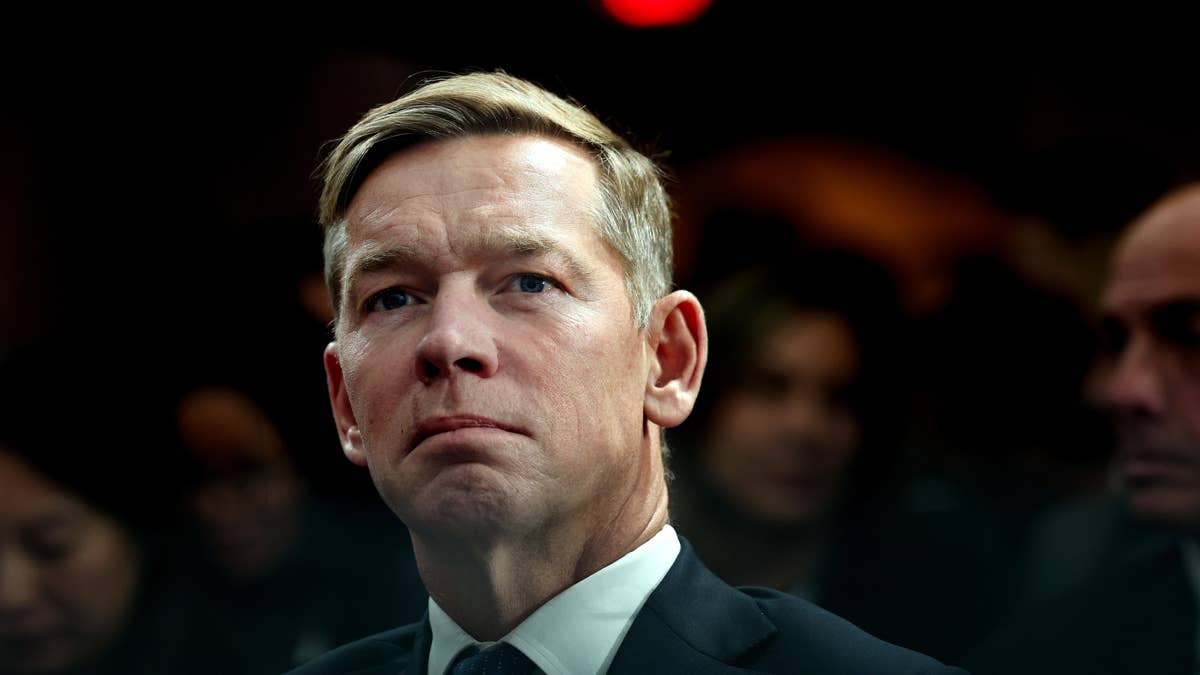 McDonald’s President and CEO Chris Kempczinski warns of slowing U.S. sales
Win McNamee/Getty Images)
McDonald’s international business tells a different story
While the U.S. struggled, McDonald’s international markets performed better.
Markets that operate their own restaurants saw sales rise 1.5%, led by Germany, Australia, and the United Kingdom.
Licensed international markets grew 1.9%, with Japan posting its tenth straight quarter of rising customer visits.
Overall, McDonald’s systemwide sales grew 4% in constant currency for the quarter, and the company posted adjusted earnings per share of $3.38.
More Restaurants:
- 52-year-old international restaurant chain closing all locations
- 46-year-old casual dining chain closes underperforming locations
- Classic burger chain has closed down all its restaurants
McDonald’s also announced a leadership shakeup alongside its results. Skye Anderson is now President of McDonald’s USA, replacing Joe Erlinger, who is leaving the company after more than two decades.
Anderson previously ran the company’s West zone and built its global business services unit.
Kempczinski said her experience makes her the right person to fix the execution issues in the U.S. business.
What comes next for McDonald’s
Executives said early third-quarter results remain soft, with U.S. sales slightly negative in July.
Kempczinski said meaningful improvement will take time, particularly on marketing, since campaigns already in motion cannot easily change mid-quarter.
The company plans to share more details on its broader strategy, called McDonald’s Next, at its investor day set for September 23 in Chicago.
That plan focuses on improving food quality, simplifying restaurant operations, and building stronger connections with customers.
For now, investors are left watching two storylines unfold at once. One is a slower, more disciplined pace of store growth.
The other is a U.S. business working to regain momentum after a bumpy quarter. Both will shape how McDonald’s performs heading into 2027 and beyond.
Related: McDonald’s makes menu change to fix its breakfast problem