
When you buy a Pixel phone, wristwatch, or pair of earphones, you usually don’t think about the nation emblazoned in tiny characters on the packaging.
For Alphabet (GOOGL) investors, it matters more and more.
Google is planning to shift production of all of its Pixel phones, watches, and wireless earbuds out of China by 2027, with more manufacturing to be sent to India and Vietnam, according to TechRepublic.
The company has advised suppliers to prepare for the move, TechRepublic reported, citing Nikkei Asia. Google has not publicly announced the schedule.
The timing of the move is especially interesting.
Google shipped about 12 million Pixel phones in 2025 and could see volumes grow by 8% to 10% in 2026, possibly bringing yearly shipments to roughly 13 million devices, AndroidCentral noted.
Pixel remains a small player compared to Apple’s iPhone and Samsung’s Galaxy series. But for the hardware business to matter, Google doesn’t need Pixel to be the dominant smartphone. Pixel is more and more the physical showroom for Gemini, Android, and Google’s growing AI ecosystem.
And behind those devices, Google looks to be creating something less visible, but perhaps just as important: increased leverage over the components required to create them.
Google has been preparing its Pixel exit from China for years
Google’s stated 2027 plan would be stunning, but it’s not starting from scratch.
The company revealed in 2023 that it would begin producing Pixel smartphones in India, starting with the Pixel 8. Google had claimed at the time that India was a priority Pixel market and that it planned to boost device production capacity there.
Related: Buffett’s Berkshire is doubling down on Google
The first Made-in-India Pixel 8 phones were rolling off the assembly lines by August 2024.
Meanwhile, Vietnam is becoming significant for Google’s premium devices, TechRepublic reported. The current revelation indicates that successful Pixel development and mass production there, backed up by investments in tooling and testing equipment, helped give Google confidence that Vietnam could absorb further manufacturing.
That is an important difference.
One is the final assembly. New-product introduction, which includes the engineering, testing, and manufacturing refining that happens before mass production, needs a much richer manufacturing ecosystem.
If India and Vietnam can take on more of those jobs, Google will be less dependent on China, not just for assembly, but also for some of the expertise needed to bring new technology to market.
The human impact may be almost invisible. A Pixel assembled in Vietnam could feel identical to one assembled in China.
But for Google, having more than one major manufacturing site means an alternative choice when tariffs, geopolitical tension, shipping disruptions, or component shortages threaten output.
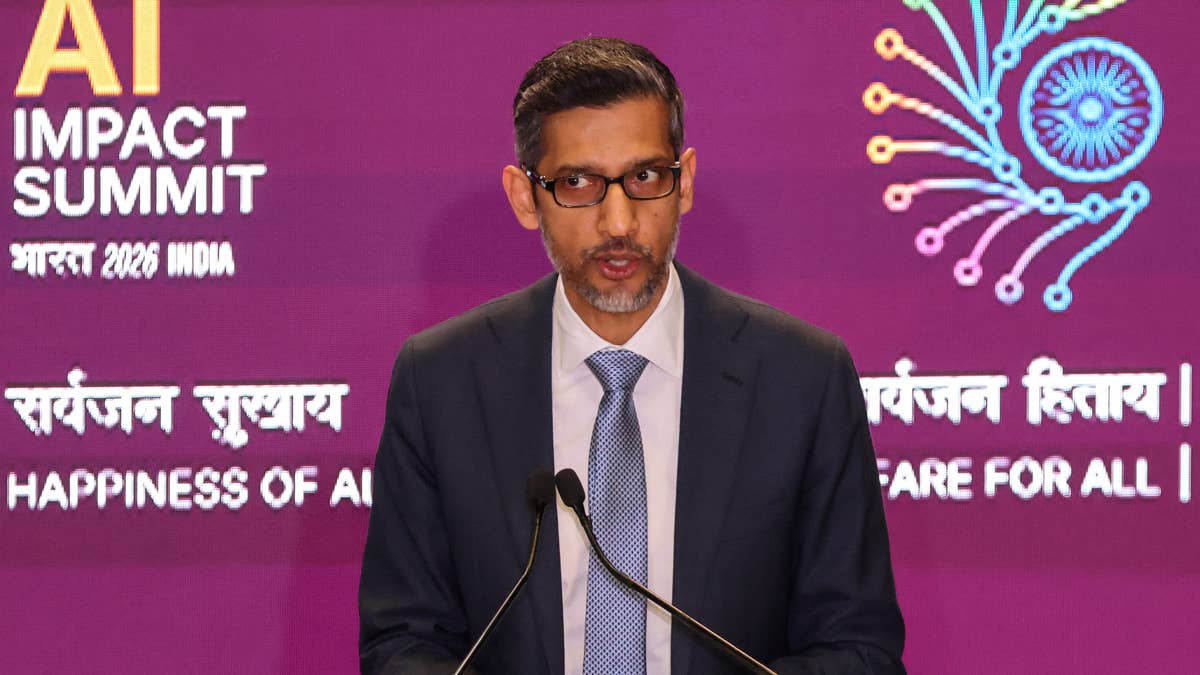 Google’s biggest Pixel change may happen far from the consumer.
Google’s enormous AI spending gives Pixel an unusual advantage
The most compelling aspect of the narrative is behind the manufacturing floor.
Google is said to be consolidating some of its memory-chip buying through its cloud and smartphone units, giving it additional clout with suppliers including Micron Technology (MU), Samsung Electronics, and SK Hynix.
That’s essential because the same AI explosion that’s fueling Google’s cloud business is putting pressure on the consumer-electronics supply chain.
More Google:
- Alphabet’s biggest AI fear may be fading
- Bank of America says Alphabet stock investors are missing the bigger signal
- Google stock price faces major AI test ahead of earnings
Those products are more lucrative, and memory makers have begun redirecting capacity to high-bandwidth memory used in AI accelerators, Tech Crunch reported, squeezing supply of some conventional memory used in smartphones and PCs.
That squeeze just happens to be on both ends of Google.
Google Cloud and Gemini require enormous memory and computational infrastructure.
It also requires memory for Pixel phones.
Alphabet expects $180 billion to $190 billion of capital expenditures in 2026, roughly six times its 2022 level, with the overwhelming majority going toward technical infrastructure.
The scale produces buying power few smartphone makers can match.
Google Cloud generated $20 billion in first-quarter revenue, up sharply as AI demand pushed its backlog to $462 billion. Alphabet also reported $174 billion in operating cash flow over the preceding 12 months.
Pixel is therefore in a rare corporate structure.
Google’s not just a phone vendor fighting for processors. It’s one of the world’s major buyers of AI infrastructure, cutting deals for some of the same kinds of components its phones need.
That might give Pixel a supply-chain edge that its share of the smartphone market alone would never provide.
Pixel’s small size could actually make the transition easier
The comparatively small smartphone volumes at Google might help.
There’s a basic difference between moving about 12 million devices a year and moving production for a corporation that sells hundreds of millions of cell phones.
The 8%-to-10% shipment-growth target implied that Google thinks it can grow Pixel while also changing where it builds the smartphones.
Key numbers behind Google’s Pixel supply-chain shift
- 2027: Reported year by which Google wants Pixel manufacturing out of China
- 12 million: Approximate number of 2025 Pixel smartphone shipments
- 8%-10%: Reported expected Pixel shipment growth in 2026
- About 13 million: Implied annual shipments near the top of that range
- $180 billion-$190 billion: Alphabet’s planned 2026 capital expenditures
- $20 billion: Google Cloud’s first-quarter revenue
- $462 billion: Google Cloud backlog at the end of Q1
- India and Vietnam: Expected primary alternatives for Pixel production, according to Tech Republic
There is one major caveat.
Taking final manufacturing out of China does not mean China will disappear from Google’s supply chain. Even when the finished phone rolls off a line in India or Vietnam, components, materials, and subassemblies can still come from China.
So Google’s Pixel change is better understood as diversification rather than complete decoupling.
But that diversification coincides with Pixel becoming a more critical part of Google’s consumer-AI goals. It may appear in the form of different gadgets, a phone running Gemini, a Pixel Watch on someone’s wrist, and Pixel Buds in their ears.
In Google’s view, they’re increasingly becoming parts of the same ecosystem, all of them relying on a steady stream of chips, memory, and manufacturing capacity.
The biggest Pixel change of 2027 for customers might be one they never see.
For Alphabet investors, where Google builds those devices and how much leverage it gains over the companies supplying the parts could become one of the more consequential upgrades.
Related: Google is using a $29 gadget to tighten its grip on Android users