
An airplane is only as free as its last fuel stop. Pilots know that, airline accountants know that, and this week every airport manager from Istanbul to Dubai learned it, too.
For decades, Iran’s airlines lived with sanctions the way a family lives with a leaky roof. Spare parts were hard to buy, fleets aged, and the U.S. kept the carriers out of American skies.
Washington blacklisted Mahan Air and Iran Air years ago. But an American blacklist mostly stopped at the American border, and plenty of foreign airports were happy to sell jet fuel to anyone paying cash.
Yet Mahan Air, Iran Air, and their smaller rivals still landed in Turkey, the Gulf, and Iraq. They refueled, sold tickets, and flew home full.
That arrangement survived the first seven months of the U.S.-Israel war on Iran, which began Feb. 28. Travelers could still buy a seat out of Tehran, and foreign airports kept taking the money.
Then Treasury Secretary Scott Bessent went on television on Monday, Sept. 21, and told the rest of the world’s airports to stop serving Iran’s airlines, or lose the dollar.
“If they land, you cannot provide them with fuel. You cannot provide them with landing services, you cannot sell them tickets, or you will be knocked out of the dollar system,” Bessent said, according to CNBC.
He also set a date. “On September 23rd, all the Iranian airlines, all the Iranian airlines will be shut down around the world,” he said during the interview, reported Truthout.
Bessent’s airline shutdown runs through the dollar
Treasury laid the groundwork on Sept. 8, when it designated 27 Iranian carriers and penalized companies still supporting Mahan Air under its Operation Economic Outcast campaign.
“Let this be a warning to anyone doing business with Iran’s remaining airlines, all of which we sanctioned today. You are at risk of being cut off from the global financial system,” Bessent said in the Treasury Department release.
More Airlines & Aviation:
- Another airline cancels almost all U.S. flights due to low demand
- FAA should suspend new Al-powered ATC system, congressman says
- Luxury aviation company takes delivery of the fanciest new private jet
The same release says Tehran uses its airlines to “move weapons, personnel, and illicit cargo.”
The Sept. 21 warning widened the target from the airlines to everyone who serves them. That means fuel suppliers, ground handlers, ticket agents, and the airports themselves.
Few airports can shrug that off. Jet fuel is priced in dollars, and so are most of the aircraft leases and fuel contracts that keep a terminal running.
In my analysis, this is the playbook Bessent laid out when he declared an economic D-Day on Iran in August, now pointed at runways instead of bank vaults.
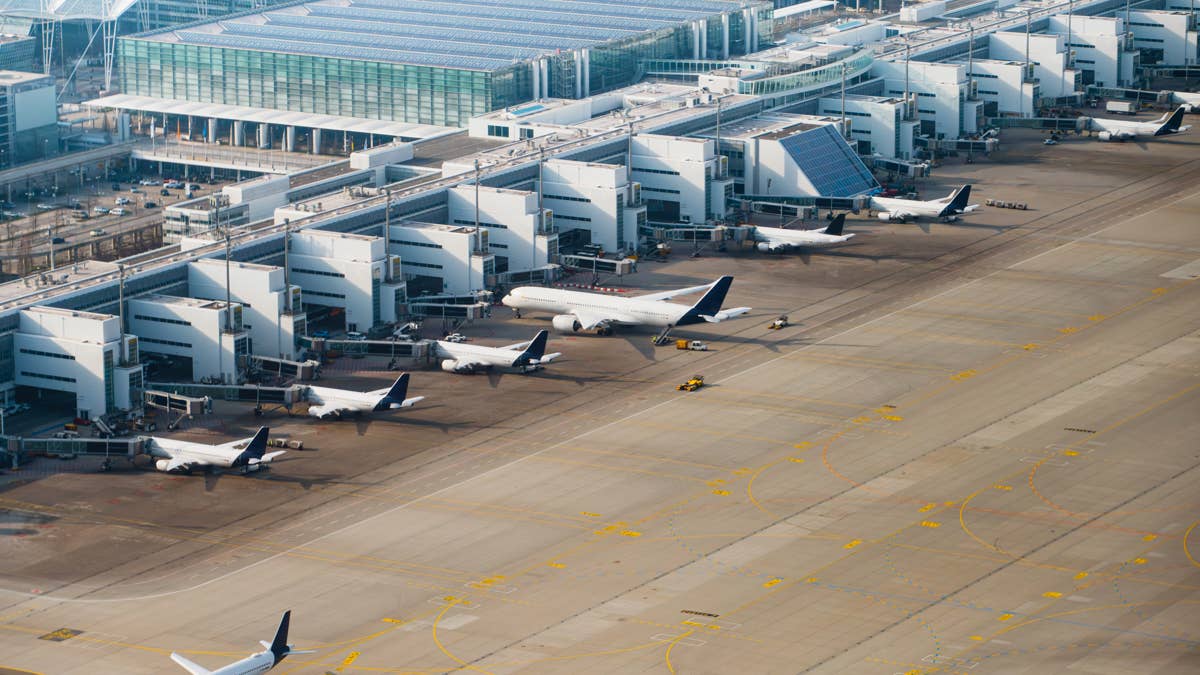 Bessent warns anyone fueling, landing, or ticketing Iran’s airlines that they risk losing the dollar.
Which countries grounded Iranian flights first?
The answer came fast. By Wednesday, Sept. 23, most of Iran’s neighbors had chosen dollar access over Iranian landing fees.
When I mapped the country-by-country responses, the list looked like Iran’s old travel map being erased one route at a time.
- United Arab Emirates: All Iranian airlines were suspended as of midnight Sept. 23, reported The New Arab.
- Turkey: Turkish Airlines, AJet, and Pegasus pulled their Iran flights, and Turkish Airlines shows none until March 2027, according to Middle East Eye.
- Iraq: Baghdad airport stopped handling Iranian carriers, though flights to Najaf continued, reported Al Jazeera.
- Georgia, Azerbaijan, and Oman: Georgia and Azerbaijan banned Iranian airlines outright, and Tehran-Muscat flights were canceled, according to The New Arab.
A Turkish Airlines representative said “there was no guarantee flights would resume even after March 2027,” Middle East Eye reported.
China keeps Mahan Air landing in Guangzhou
The one big holdout is Beijing. Mahan Air still landed in Guangzhou after the deadline, and service to Shanghai continued, reported Israel Hayom.
That is the real test of this policy. Turkey and the UAE live on dollar banking, while Washington has so far left alone the Chinese banks that handle most of Iran’s oil sales.
Related: Bessent is doubling down with weekly bank sanctions
Inside Iran, the cost is personal. Travelers crowded the Bazargan and Razi border crossings into Turkey, and bus tickets were reportedly selling for four times the normal price on the black market, according to Al Jazeera.
Diaspora families now wonder how they will visit parents. Students who need language exams abroad for university applications are stuck.
The latest round represents “a new level of sanctions in action,” Iran-based aviation expert Mohammadreza Ebrahimpour told Al Jazeera.
Oil prices climb as Tehran’s isolation deepens
Oil traders noticed. Brent crude rose 1.36% to $101.70 a barrel early Tuesday, Sept. 22, as worries grew over U.S.-Iran tensions, reported CNBC.
“Confirmation of direct talks between Washington and Tehran could place additional selling pressure on prices by improving expectations for regional supply. Conversely, Tehran has warned that renewed escalation would trigger a significant response, which could push crude prices higher,” said Lukman Otunuga, head of market research at FXTM, according to CNBC.
By Thursday, Sept. 24, Brent had jumped about 4.5% in a day to roughly $107.67 after Houthi missile attacks on Saudi export terminals, according to Trading Economics. The airline ban did not cause that spike, but it adds to a war premium that keeps refusing to fade.
When I lined up the pump data, regular gas averaged $4.48 a gallon nationally on Sept. 24, up from $3.16 a year earlier, according to AAA. Diesel averaged $6.51, compared with $3.69 a year ago.
What the aviation ban means for your wallet
Iranian President Masoud Pezeshkian used his United Nations address on Sept. 23 to insist that “Iran cannot be forced to surrender through war,” reported Al Jazeera.
Meanwhile, U.S. and Iranian negotiators were exploring a deal to lift naval blockades on tankers crossing the Strait of Hormuz, according to Trading Economics. The airline ban hands Washington one more chip to trade at that table.
U.S. airline investors feel it, too. Rothschild Redburn cut American Airlines (AAL) to neutral in March over war-driven jet fuel costs, as TheStreet reported on the airline’s fuel exposure.
Here’s the lesson for your portfolio. If the threat of losing dollar access can ground a national airline system in 48 hours, expect Treasury to try it on ports, shipping insurers, and fuel traders next.
Whether China’s airports blink will tell you how far that power reaches. Until they do, the bill for this standoff keeps showing up at your gas pump.
Related: Bessent is sitting down with Iran’s biggest oil customer
