
Booking a vacation rental used to mean paying up front.
You found the place, entered your card and hoped your plans held. If they didn’t, you were stuck chasing a refund.
Airbnb (ABNB) changed that math this year, and travelers noticed. Revenue rose 19% to $4.9 billion in the third quarter, its fastest growth in three years, according to Skift.
CEO Brian Chesky has called pricing “a massive lever” for growth, Rental Scale-Up reported.
However, a subtle shift has emerged in how Airbnb is earning that growth.
According to a Deutsche Bank research report seen by TheStreet, a meaningful slice of Airbnb’s acceleration came from its Reserve Now, Pay Later program, even as the core business also sped up.
Airbnb’s pay-later bookings did a lot of the lifting
The numbers were strong across the board.
Nights and seats booked rose 16% to 155 million, up from 10% growth in the second quarter, Rental Scale-Up reported. Gross booking value climbed 21% to $27.7 billion.
Deutsche Bank analyst Benjamin Black broke down where that growth came from in a Nov. 6 note titled “Growth is Back in the Neighborhood.”
Related: KeyBanc says consider buying shares of popular travel giant now
“RNPL [Reserve Now, Pay Later] provided 3ppt of net nights growth in 3Q, versus approximately 1.5ppt in 2Q, but the underlying business also accelerated,” wrote Black.
By my math, pay-later bookings accounted for nearly a fifth of Airbnb’s 16% growth. Without them, nights would have grown about 13%.
Hotels added less than a point, Black wrote. That suggests “core homes growth reached approximately 12%,” he added.
Black kept his Buy rating and raised his price target to $220 from $200. The stock closed at $170.13 on Nov. 5, the note showed. By my math, that target implies about 29% upside.
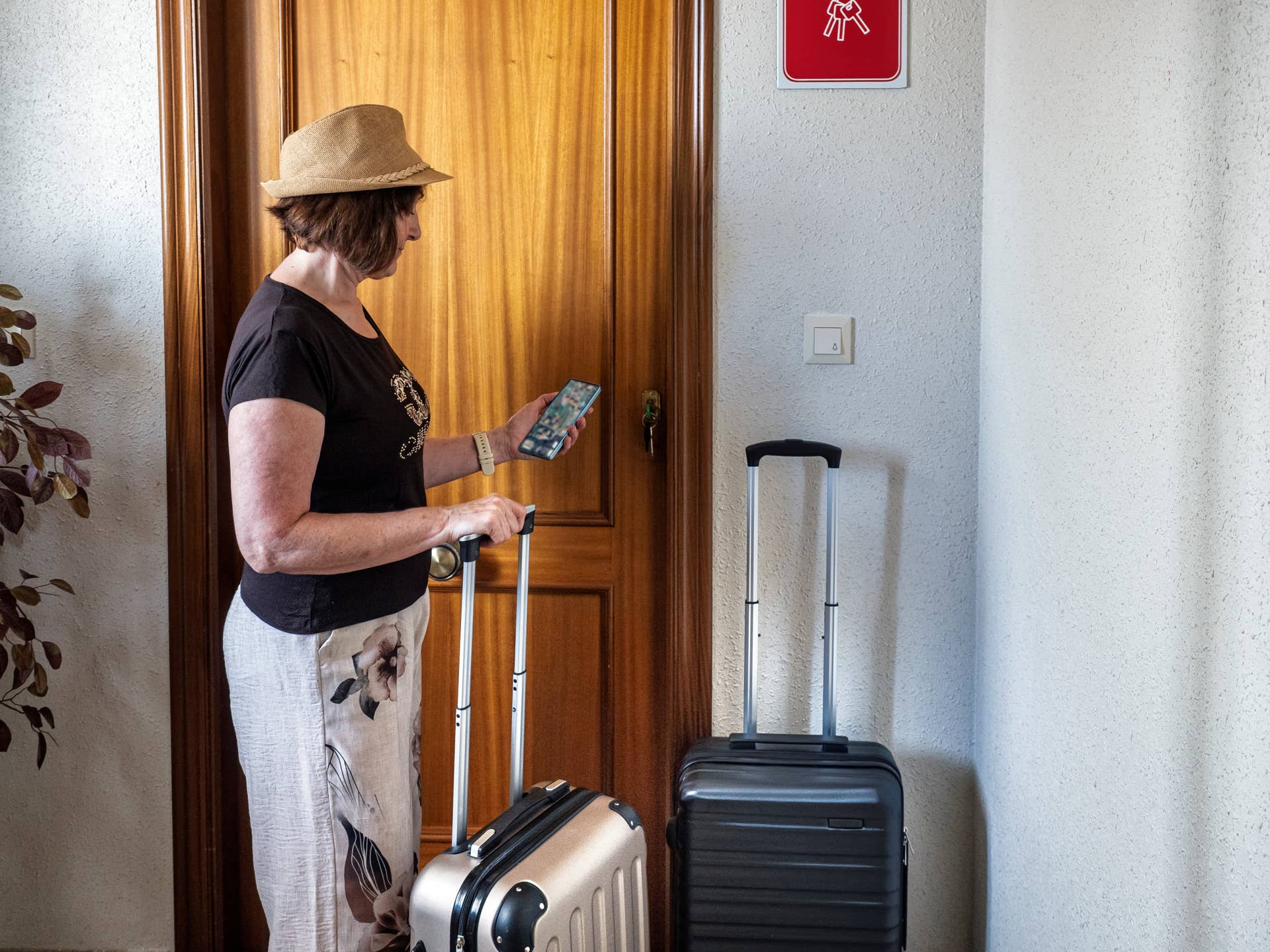 Airbnb bookings jumped 16% as pay-later gained traction, despite cancellations rising to 19% and Deutsche Bank seeing upside.
Jose A. Bernat Bacete / Getty Images
More travelers are canceling
Pay-later bookings come with a trade-off.
Airbnb’s cancellation rate rose to about 19% from about 16% a year earlier, Rental Scale-Up reported. The company’s filings say pay-later bookings cancel more often than bookings paid up front.
CFO Ellie Mertz called that rate “very healthy in the travel space,” the outlet reported.
More on Airbnb:
- American Express adds $250 Airbnb credit, but there’s a catch
- Airbnb just found an unexpected way to make AI pay
- Airbnb quietly makes big change customers need to know about
Guests on the program aren’t charged until eight days before their free-cancellation deadline. On Airbnb’s strictest Firm policy, that’s about 38 days before check-in.
If you book this way, I’d put that charge date in your calendar. Your card gets hit weeks before the trip, and missing the cancellation window can cost you the full stay.
More than 40% of booking value is now eligible, Rental Scale-Up reported. Black expects that share to settle near half.
The growth is still real compared with rivals. Expedia’s revenue rose 12% in the quarter, and Booking Holdings’ fell 1% after a $1 billion charge tied to a possible FTC settlement, Skift reported.
Given that backdrop, it’s easy to understand why Black thinks Airbnb’s gains are “company-specific execution rather than a broad improvement in travel demand.”
What Deutsche Bank expects next for Airbnb
Black sees a slower fourth quarter, but not a warning sign.
Airbnb expects at least low double-digit nights growth in the fourth quarter. Black blamed a smaller pay-later boost, tougher comparisons, and lapping fee changes.
“We therefore view the expected moderation simply as a function of initiative timing and comps [comparisons to a year earlier],” wrote Black.
Airbnb is also leaning on newer bets. Hotels are now listed in about 60 destinations, up from 20 in May, and about 35% of guests whose first booking is a hotel later book a home, Skift reported.
AI is cutting costs, too. Roughly 40% of support issues were resolved without a human agent in the third quarter, cutting support cost per booking by more than 17%, Black wrote.
He also sees pricing as a 2027 tailwind. Airbnb has moved nearly all hosts to a single 15.5% fee, which Black expects to add about 1% in annualized revenue.
For hosts, that fee compares with Vrbo’s new 12% commission, Rental Scale-Up reported. By my math, Airbnb’s headline fee is about 3.5 points higher.
Much will likely depend, however, on whether pay-later guests keep showing up for their stays. A year ago, Airbnb’s cancellation rate was about 16%.
I’d watch that number closely. If cancellations keep climbing, some of today’s booking growth could turn out to be empty calendar nights for hosts.
Black isn’t worried. He raised his target on “Airbnb’s improving core growth, differentiated supply, capital-light model and expanding product roadmap supporting sustained share gains.”
Related: Airbnb CEO says travelers are about to see big changes
