
TheStreet aims to feature only the best products and services. If you buy something via one of our links, we may earn a commission.
Numerous factors can impact the quality of the air in your home, and a big one is humidity levels. In winter, moisture is zapped from the air, leaving us with dry skin and cracked lips. For the summer months, the opposite is true.
Warmer temperatures often lead to more water vapor in the air, leading to that unpleasant sticky feeling, and can even make temperatures feel even hotter. If you’re lucky, this increased moisture is only noticeable when stepping outside your home, but in more humid regions, like Florida, Hawaii, or Louisiana, humidity creeps indoors, too. The best way to combat this issue is by investing in a dehumidifier for your home.
What is a dehumidifier?
A dehumidifier removes this excess moisture from the air. The benefits of using this common household appliance extend far beyond improving how the air feels against your skin, as we will discuss further below.
Generally, a dehumidifier is a relatively affordable purchase, so the investment shouldn’t impact your monthly budget. If you’re tight on space, rent a cramped condo, or just want to cover the bedroom, smaller dehumidifiers can be purchased for around $35. You can get larger models that cover the entire house for under $150.
BeOkay 1,000 Square-Foot Small Dehumidifier

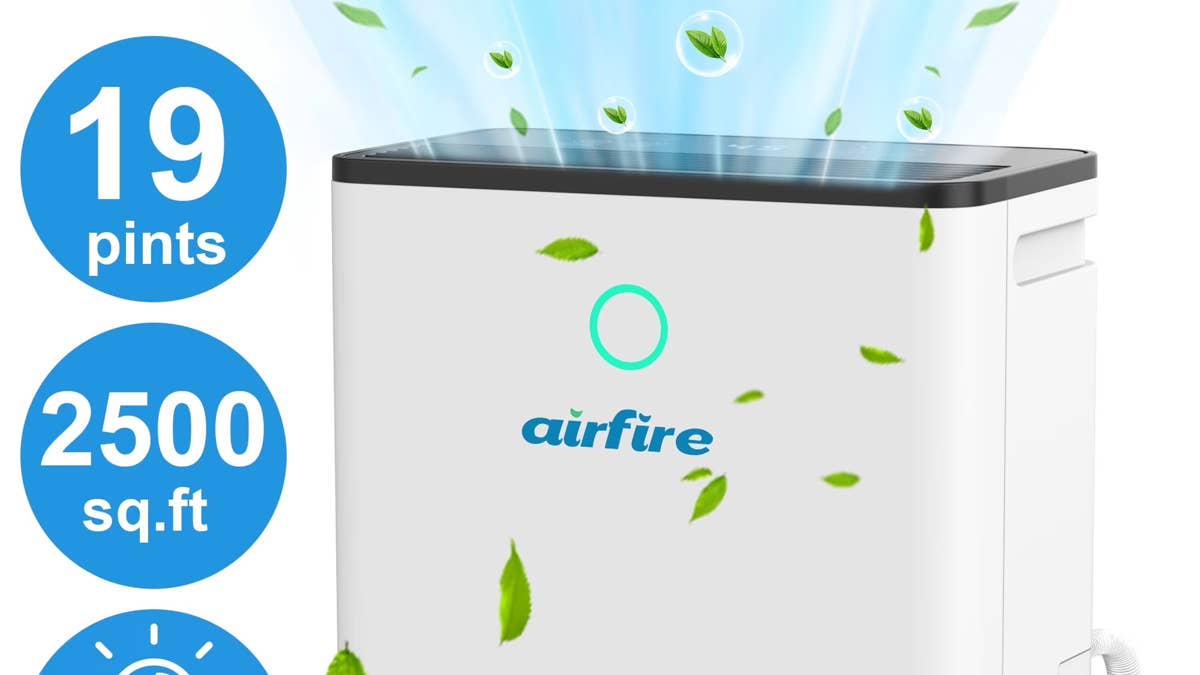
Airfire 2,500 Square-Foot Dehumidifier
How do I know if I need a dehumidifier?
According to heating and cooling experts, homes should generally have a relative humidity level of 30% to 50%. At higher levels, a home becomes susceptible to increased mold and allergen growth, so there’s no question that a dehumidifier is necessary in these situations. And most larger models for entire homes will tell you what the room’s humidity level reads.
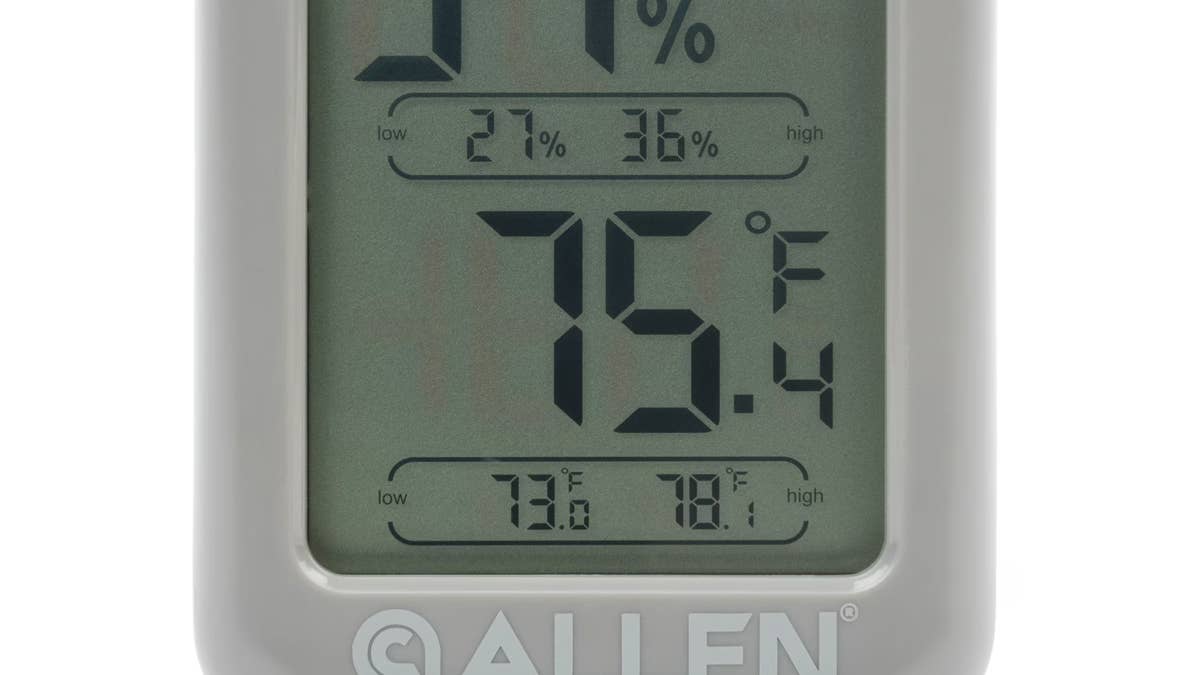
If your home feels damp or muggy, or even smells musty, it’s almost certain you’ll need to invest in a dehumidifier, but if you want to see quantifiable humidity levels, you can get a hygrometer that measures the water vapor in the air. These can be found for less than $10 at Walmart, if you go for something like the Allen Company Digital Electronic Hygrometer.
Allen Company Digital Electronic Hygrometer
Why do I need a dehumidifier?
There are four main reasons to invest in a dehumidifier.
- It’s better for your health.
- It protects your home from damage.
- Air stays crisp and fresh.
- It can lower your utility costs.
Common allergens like mold, mildew, and dust mites thrive in more humid areas, and breathing in these microscopic particles can lead to cough, itchy eyes, and a runny nose. By utilizing a dehumidifier, you can reduce their growth and minimize these allergens and asthma triggers. Many dehumidifiers also work double duty at purifying the air while they remove excess water vapor.
A dehumidifier doesn’t just protect your health — it can also protect your home. The mold and mildew that can set off allergies can also be tricky to remove once they penetrate the surface of the walls and ceiling. This excess moisture can also be absorbed into the sheetrock and wood surfaces, leading to rot and decay over time. You may even begin to notice its effects on your personal belongings, with warped books and family photos. On top of that, common household pests, like termites, flock to places with excessive water, making you more susceptible to an infestation.
The most noticeable difference from running a dehumidifier will be felt in the air quality. No longer will the air in your home feel sticky and clammy. Now it will feel crisp and fresh, making it more comfortable to relax and breathe. It also has an unexpected bonus of improving the performance of your air conditioner.
Air conditioners need to remove the extra moisture from the air to blast out a cool breeze, and a dehumidifier can decrease the amount of work they need to perform in this process. As a result, the air conditioner will take less time to run, and can decrease your monthly utility costs.
How to find the right dehumidifier for your space
There are countless dehumidifiers on the market, but there are two areas you’ll really want to consider when making this purchase. First, look at the coverage area. Do you have a tiny studio apartment that’s under 1,000 square feet? Or do you have a sprawling floor plan that requires an oversized unit to place in the basement? If you do have a larger space, you can also opt to buy smaller units on a room-to-room basis.
The next aspect you’ll want to look at is the tank size. A smaller capacity means you’ll have to frequently empty the tank, sometimes multiple times a day, for the machine to work efficiently. Others will have massive tanks that can run for days before needing to be dumped out. In these cases, they may also come with a drainage hose to have the option for continuous draining, so you don’t have to do any additional work once it’s set up.
If you’re ready to invest in a dehumidifier for your home, we’ve rounded up some of the most popular models of dehumidifiers from around the web with a variety of coverage options and tank sizes.
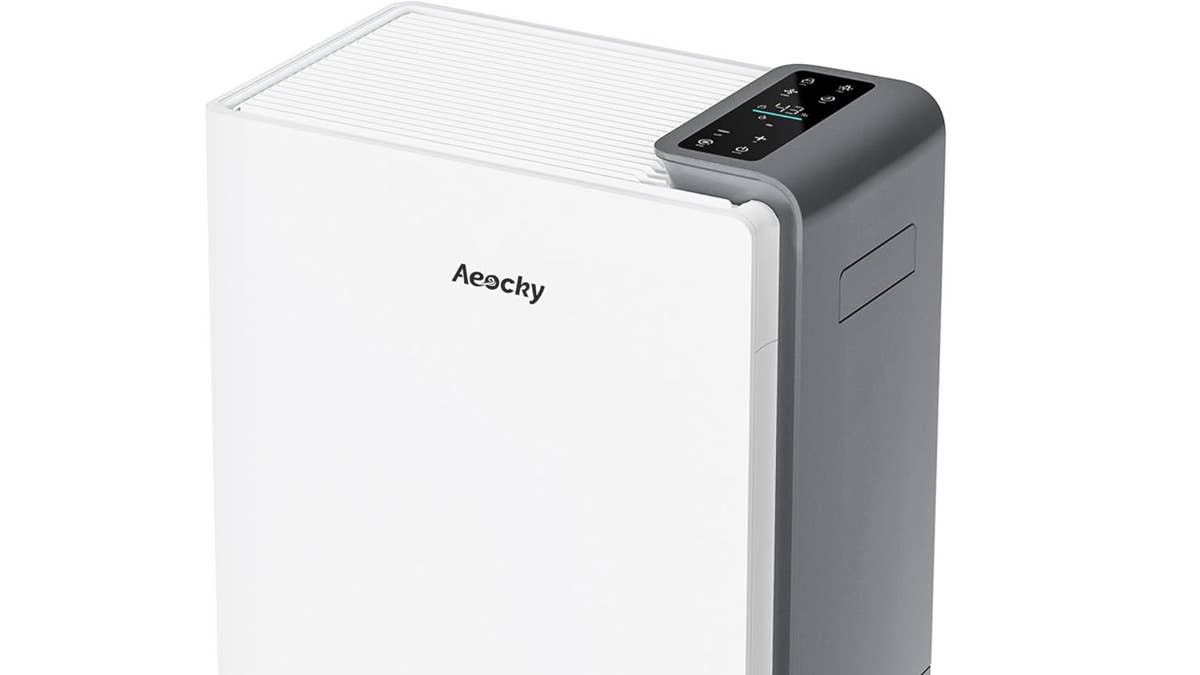
Aeocky 4,500 Square-Foot Energy Star Dehumidifier
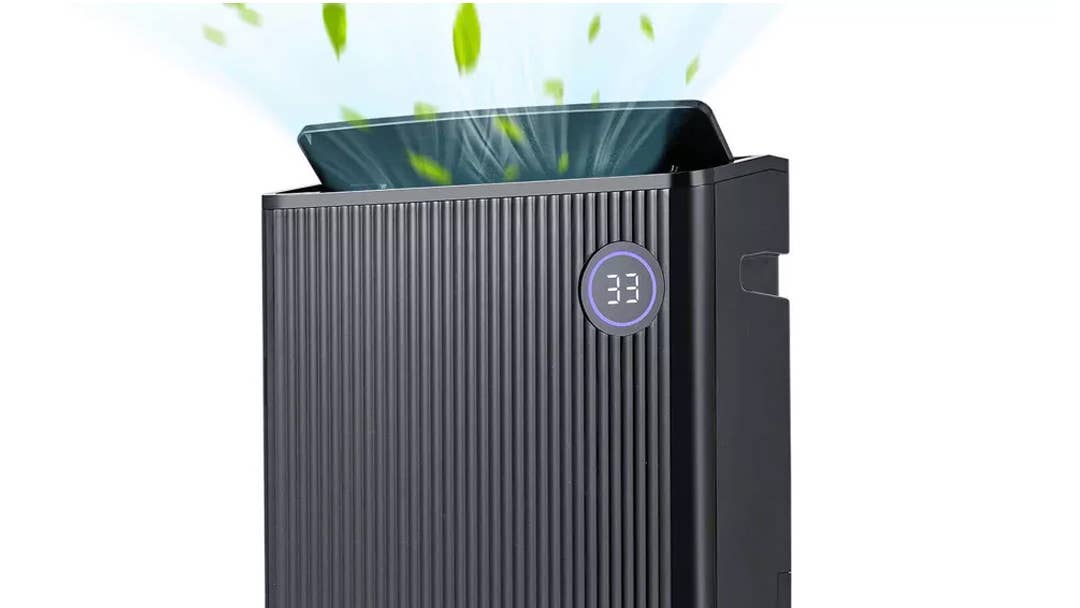
Costway 4500 Square-Foot Dehumidifier
Midea 1,500 Square-Foot Smart Dehumidifier
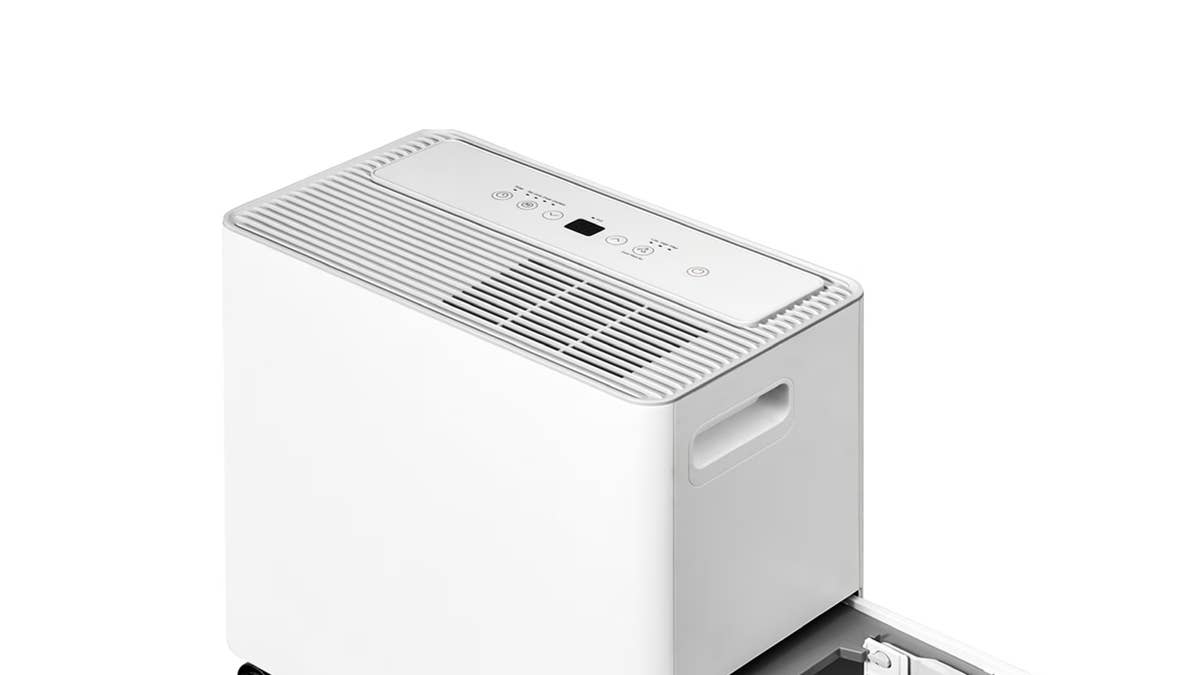
ToLife 1,000 Square-Foot Dehumidifier
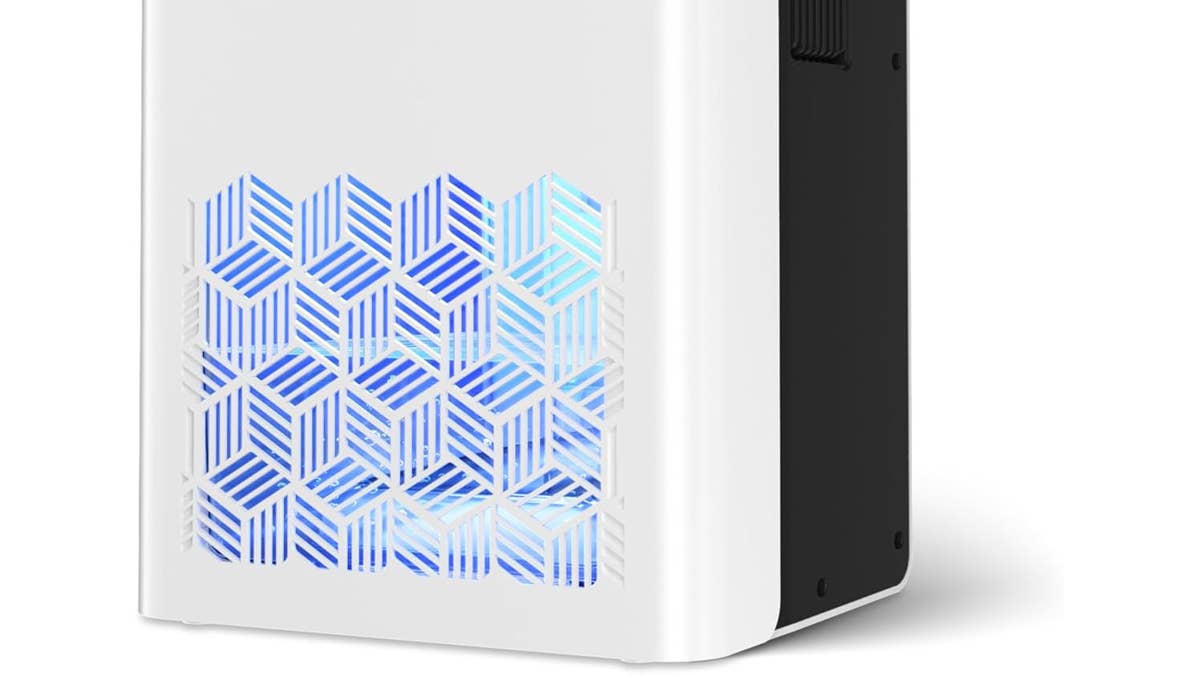
Kloudic 480 Square-Foot Ultra Quiet Dehumidifier
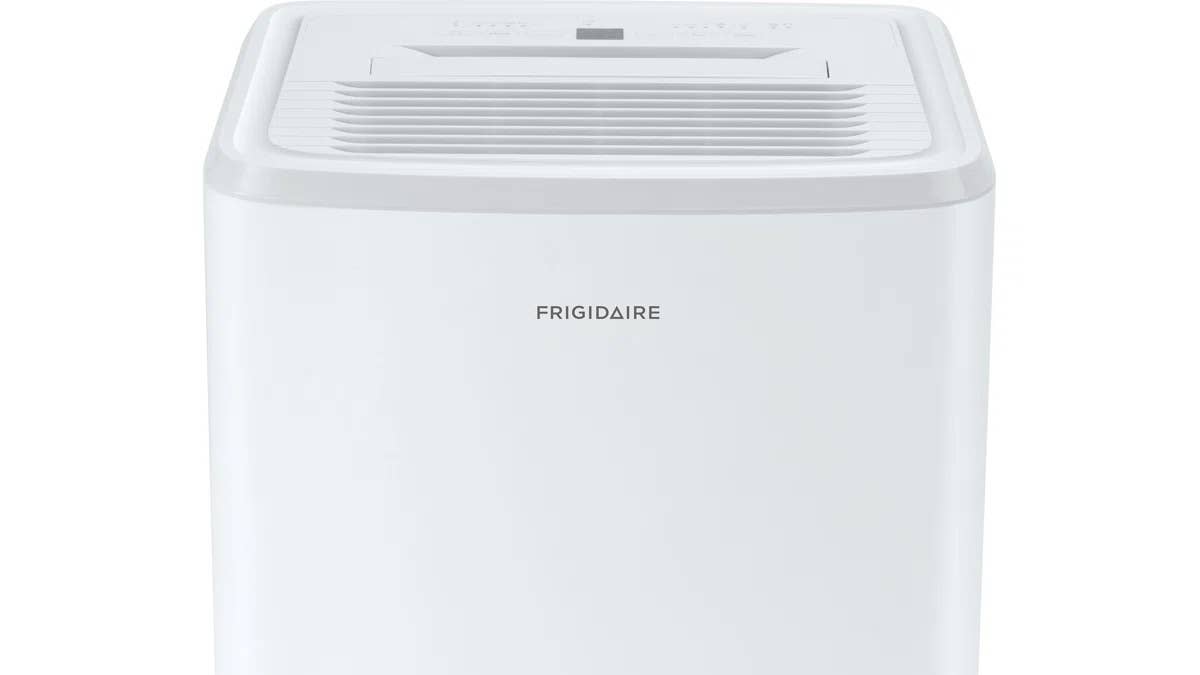
Frigidaire 50 Pint Multi-Purpose Dehumidifier
TheStreet Shopping is your guide for shopping insights and advice. We look beyond the price tag to find the best value in home, tech, and wellness gear based on product features and real-world use.