
In a revival of a travel ban he instituted during his first term in the White House, at the start of June, President Donald Trump implemented a new version preventing citizens of 12 countries from entering the U.S. for any reason.
Iran, Somalia, Sudan, Libya, and Yemen were included in both bans, while the latest version noticeably excludes North Korea and Syria. Other visitors targeted by the ban include citizens of Afghanistan, Myanmar, Chad, the Republic of the Congo, Equatorial Guinea, and Yemen.
💵💰Don’t miss the move: Subscribe to TheStreet’s free daily newsletter💰💵
President Trump and the White House defended the ban by saying that nationals from these countries “pose a very high risk to the United States,” while later using it to justify denying entry for citizens of these nations who have already been granted refugee status.
Travel ban cannot include ‘presumptively protected refugees,’ judge rules
While the wider ban remains in place, U.S. District Judge Jamal Whitehead ruled that the ban’s phrasing “expressly states” that it cannot be used to deny entry to those who have already been vetted as refugees or prevent new citizens from seeking asylum.
“In other words, by its plain terms, the Proclamation excludes refugees from its scope,” Whitehead ruled in a June 14 federal decision out of Seattle.
Related: Trump now wants to ban travel from 25% of the world
The ruling also orders the White House to resume processing of the “presumptively protected refugees” that the State Department had halted immediately after the start of Trump’s second term.
The ruling would affect the asylum status (rolled back earlier this year) of 1,600 Afghans who cooperated with the U.S. army during the war, as well as the similarly revoked status of Haitian and Somali refugees.
The State Department has issued no statement on the ruling.
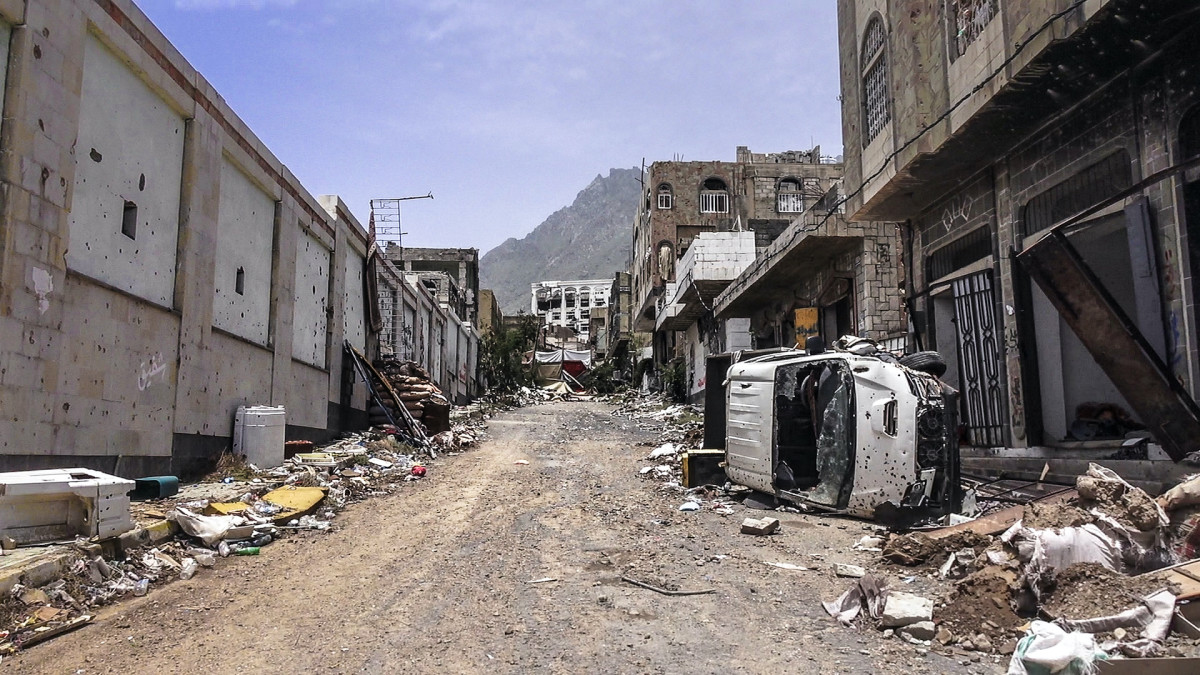 Refugees from Yemen were also targeted by President Trump’s latest travel ban.
Image source: Shutterstock
The latest on the travel ban and President Trump’s threats to extend it to even more countries
Since its institution, President Trump’s travel ban received widespread global criticism for its apparent targeting of Muslim travelers as well as the antagonistic framing of people from these countries.
In response, the African nation of Chad suspended any U.S. visas that were in the process of being issued.
“Chad has neither planes to offer nor billions of dollars to give, but Chad has its dignity and pride,” President Mahamat Idriss Deby said in a June 5 Facebook post in reference to Trump’s choice to accept a luxury jet as a gift from the Qatari royal family to use as Air Force One.
More on travel:
- United Airlines places big bet on new flights to trendy destination
- Government issues new travel advisory on popular beach destination
- Another country just issued a new visa requirement for visitors
While not banning travel from these nations outright, the ban put in place at the start of June also placed student and business visa restrictions on seven additional nations: Burundi, Cuba, Laos, Sierra Leone, Togo, Turkmenistan, and Venezuela.
At one point, a memo signed by Secretary of State Marco Rubio showed that the department was considering expanding its ban to an additional 36 countries largely in Africa and the Caribbean.
A cable signed on June 14 stated that these countries would be given 60 days to “meet established benchmarks and requirements,” at which point the agency will make a call on either “full or partial suspension of entry.”
There have been no new statements on what exactly those benchmarks are or whether any evaluations have been made 30 days into the self-established deadline.
Related: Almost anyone who isn’t British or American can now visit China without a visa