
While the largest and most well-known city in the United Arab Emirates is Dubai, the capital of Abu Dhabi follows closely behind and similarly attracts tourists looking to experience skyscrapers, high-end shopping, and endless options for entertainment.
In the first three months of 2025, Abu Dhabi recorded over 1.4 million international visitors, while hotel profits from overnight stays saw 18% more revenue than in the same quarter last year.
While the UAE is commonly associated with boundless luxury and Gulf oil money, it has also increasingly become a popular destination for low-cost airlines.
Along with local budget carriers like FlyDubai and Air Arabia, the Hungarian airline Wizz Air (WZZAF) launched its UAE branch out of Abu Dhabi in 2021. The goal was to establish the carrier as the go-to airline for flights to the United Arab Emirates from European countries such as Greece, Serbia, Ukraine, and Georgia, as well as nearby Middle Eastern ones such as Oman and Egypt.
Don’t miss the move: SIGN UP for TheStreet’s FREE Daily newsletter
‘The operating environment has changed significantly’
But just under five years after Wizz Air Abu Dhabi took its inaugural flight, the parent company announced that it is pulling out of the market.
The ultimate reasons come down to a combination of geopolitical tensions, engine supply delays, and problems related to hot climates, as well as demand that has proven to be lower than initially anticipated.
“The operating environment has changed significantly,” said Wizz Air CEO József Váradi in a statement. “Supply chain constraints, geopolitical instability, and limited market access have made it increasingly difficult to sustain our original ambitions.”
Related: Two major airlines are restarting service to Israel
All service will be pulled by Sept. 1, while individual cities will be phased out throughout the summer.
An airline spokesperson said that any flight crew whose jobs will be lost will get the option to relocate to a Wizz Air base in Hungary or other European hub out of which the airline operates.
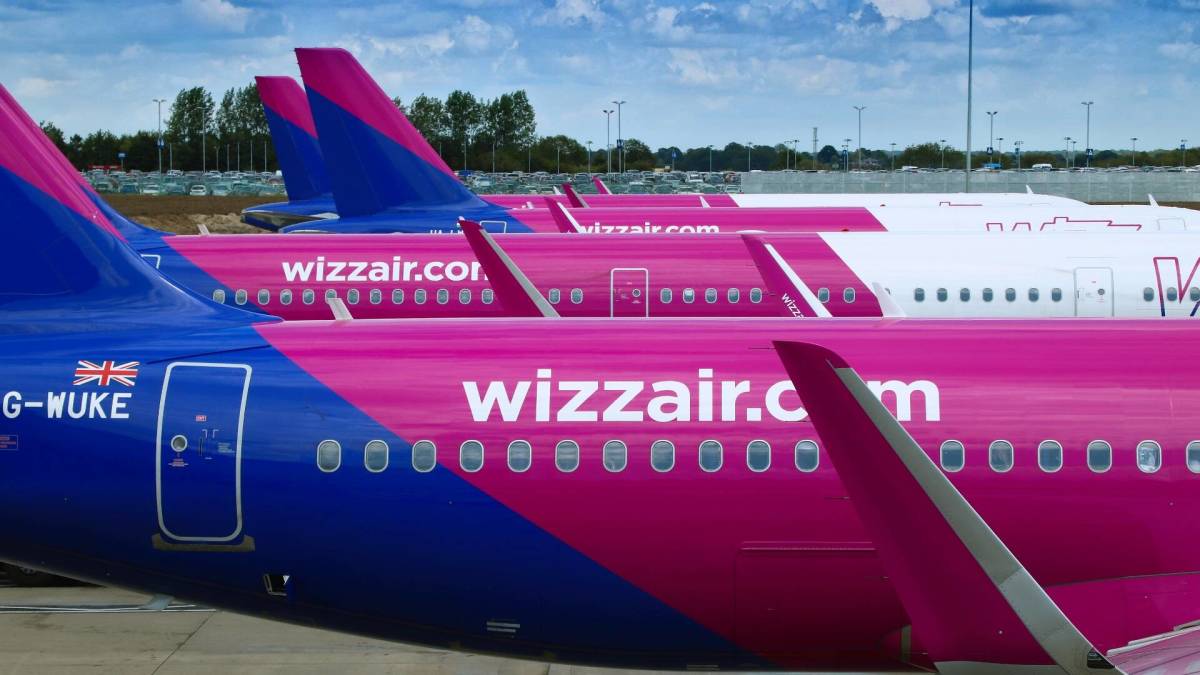 Wizz Air is a major low-cost airline based in Budapest.
Image source: WizzAir
‘These factors significantly impacted the viability of the ultra-low-cost model’
Another cause of instability has been the frequent closure and reopening of airspace around Israel amid the latter’s strikes on Iran, as well as the ongoing war in Ukraine.
After Russia invaded the latter and closed its airspace to allied countries, many European airlines have had to find costly workarounds when flying east to Asian nations.
Prolonged conflict in the Middle East has also tempered what, at the time of Wizz Air Abu Dhabi’s establishment, was high tourist demand and made it unviable to continue pumping funds into a branch dedicated specifically to the United Arab Emirates.
More on travel:
- Another regional airline is now on the verge of bankruptcy
- Government issues new travel advisory on popular beach destination
- Another country just issued a new visa requirement for visitors
“These factors have significantly impacted the viability of Wizz Air’s ultra-low-cost model in the region and its ability to deliver profitability in line with its core European operations,” Váradi said in a further statement on the pulling of service.
“Wizz Air will intensify its focus on its core Central and Eastern European markets, as well as select Western European countries such as Austria, Italy, and the UK. This strategic realignment to core markets will enable the Company to redeploy resources to regions with greater long-term potential for sustainable growth and profitability.”
Related: Veteran fund manager issues dire S&P 500 warning for 2025