
Open-source artificial intelligence is no longer the discount alternative to Silicon Valley’s frontier labs. It is setting the pace on the newest battleground: the laptop sitting in front of the user.
The pitch behind that lead was simple. Download the weights, run the model on your own hardware, pay nothing. That pitch is starting to change, right as the fight for on-device AI heats up.
Alibaba (BABA) put both stories on display Monday, Aug. 17, releasing Qwen3.8-27B, an open-weight model built to run on a single consumer graphics card. The move directly answers the market Meta entered a week earlier with its own laptop-ready model, Muse Glimmer.
The timing was not an accident. Alibaba is not just matching Meta with a smaller, faster model. It is quietly attaching a price tag to the flagship model behind it, and that detail says more about where open-source AI is headed than the laptop launch itself.
Two rivals raced to fit AI on a single graphics card
Qwen3.8-27B is a 27-billion-parameter model that runs at roughly 17 gigabytes when quantized, small enough for a single high-end consumer GPU, according to Cybernews. Alibaba said the model, which replaces Qwen3.6-27B, matches the performance of systems 10 times its size on coding, research, and agentic tasks, CNBC reported.
On benchmarks Alibaba published itself, Qwen3.8-27B outperformed Anthropic’s Claude Opus 4.6 on agentic coding tests but trailed it on general knowledge, according to the model’s card on Hugging Face.
Independent developers questioned the comparison, noting Alibaba scored both models using its own testing setup rather than a neutral one, explainx.ai noted.
Meta’s Muse Glimmer tells a similar story from the other side. The 30-billion-parameter model, distilled from Meta’s closed Muse Spark system, runs on under 20 gigabytes and needs only one consumer GPU.
Independent testing by VentureBeat found Glimmer actually posted a lower privacy violation rate than Qwen on one safety benchmark, a reminder that neither company’s model wins across the board.
What is not in dispute is the reception. Qwen3.8-27B passed 3 million Hugging Face downloads within three days and became the platform’s top-trending model, according to Cybernews.
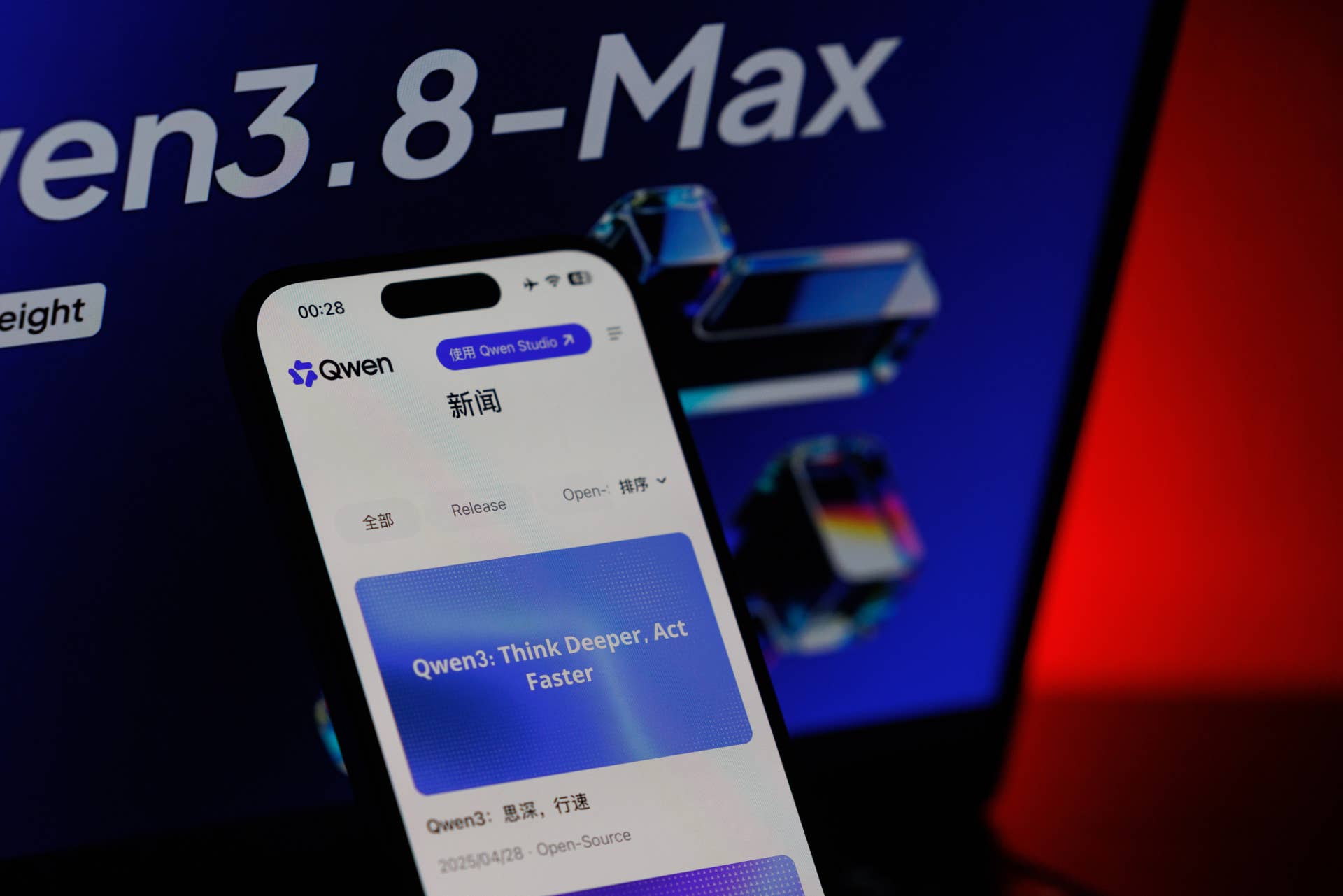 Alibaba’s Qwen3.8-27B hit 3 million Hugging Face downloads in three days, arriving a week after Meta’s rival open-weight laptop model, Muse Glimmer.
Alibaba is quietly attaching a price tag to “open” AI
Alongside the laptop model, Alibaba released open weights for Qwen3.8 Max, its flagship system with 2.4 trillion total parameters and roughly 95 billion active at a time, according to CNBC. That release is the more consequential one.
Alibaba plans to require large commercial users of Qwen3.8 Max to share a portion of the revenue they generate from it, according to Reuters.
Related: Alibaba signals shift in AI coding war with Anthropic
The company has not finalized the rate, but the structure follows the license Moonshot attached to its Kimi K3 model, which requires companies earning more than $20 million a year from services built on it to negotiate a deal, with shares reaching as high as 30%, Reuters noted.
Until now, Alibaba charged only for models hosted on its own cloud and let most open-weight releases run free on a customer’s own servers. That is changing for the first time with a flagship-scale Qwen model, and it reframes what “open source” actually means once real money is on the line.
Meta is betting on giving away what it does not sell
Muse Glimmer carries no such terms. It downloads for free, requires no account, and runs with no metered charges.
Meta does not primarily sell model access. It sells attention, advertising, and increasingly hardware, so a free model that runs on a user’s own machine costs Meta little, while making it harder to sell the layer its rivals do charge for.
More AI:
- Nvidia just made a move Wall Street wasn’t ready for
- Microsoft just took sides in AI policy fight
- OpenAI just disclosed something genuinely alarming
That leaves two different bets sitting side by side this week. Meta is commoditizing the model layer to protect a business built elsewhere.
Alibaba is building a toll booth into one part of its open-source strategy that scales, betting enterprises will pay once a self-hosted model becomes core to their revenue.
Alibaba’s earnings this week will test which bet is working
Alibaba shares traded near $125 Monday morning, Aug. 17, little changed on the day but up roughly 39% from their 52-week low in June.
The real test comes Thursday, Aug. 20, when Alibaba reports quarterly earnings and investors ask whether Qwen’s download numbers translate into revenue, not just attention.
The bigger question extends past one earnings call. Moonshot has already moved toward charging large commercial users of its open models, and Alibaba just became the second major Chinese lab to follow.
If that becomes the industry norm, the free lunch that defined open-source AI was never permanent. It was a phase, and this week marks where it started to end.
Related: The new Chinese AI model rattling U.S. tech investors
