
Amazon (AMZN) has faced many challenges recently. Given the scope and diversity of its business, it is no surprise.
Although it may be easier for bigger companies to stay afloat amid these tough economic times, they also have to deal with a lot of problems.
💵💰Don’t miss the move: Subscribe to TheStreet’s free daily newsletter💰💵
Lately, it seems that all we hear is that another retailer has shut its stores or gone bankrupt.
Amazon, on the other hand, has also been the culprit for the closure of many small physical stores, as its online marketplace has made a huge impact on the retail space.
Related: Amazon’s Alexa AI upgrade is even worse than expected
It’s been 25 years since the e-commerce giant enabled third-party sellers to list their products on the platform, reaching a much bigger customer base. A lot has changed since then, but Amazon grew big and is now accounting for about 40% of e-commerce sales.
Its most recent challenges include cutting a little under 100 jobs from its Books division (mostly across its Kindle and GoodReads business) and its “easy-to-return” policy causing complications for both customers and small third-party sellers.
In 2019, Amazon expanded its easy-to-return policy, enabling returns for millions of items, but this turned out to be a double-edged sword. The core issue is fraudulent returns, which have led to many customers accidentally receiving used products, with some shockingly gross examples.
On June 23, the retail behemoth confirmed it had to make another hard decision.
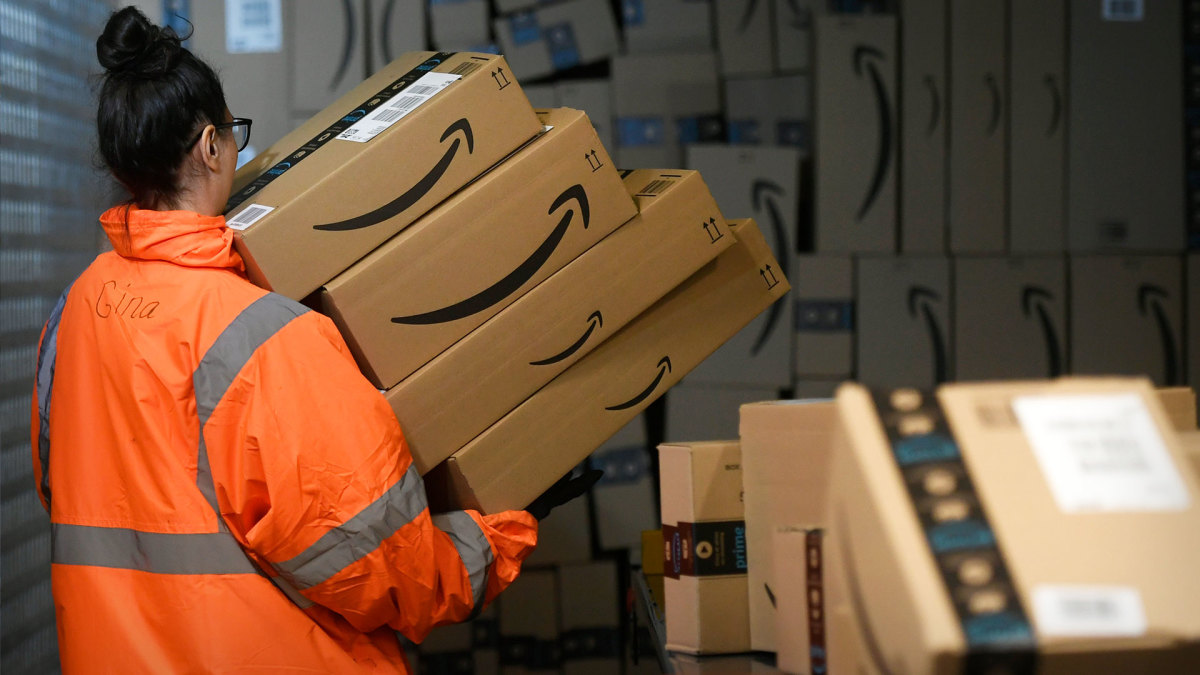 Amazon disclosed it has shut down an Amazon Fresh grocery store in a Seattle suburb.
Image source: Fassbender/AFP via Getty Images
Amazon closes another Seattle-area grocery store
In a regulatory filing on June 23, Amazon reported it has closed the Amazon Fresh grocery store at The Commons at Federal Way in Federal Way, Wash., less than three years after it opened, reported Seattle Times.
“Certain store locations work better than others, and after an assessment of our offering, we’ve decided to close our Amazon Fresh store in Federal Way,” Amazon spokesperson Griffin Buch said in an emailed statement.
Related: Walmart delivers Amazon some really bad news
The news comes on the heels of Amazon’s closure of a Whole Foods Market store in Seattle’s Capitol Hill area, seven years after opening. The e-commerce giant cited performance and growth potential as reasons for the closure, writes GeekWire.
In April 2024, Amazon also closed a Fresh grocery store in Seattle’s Capitol Hill neighborhood at 610 E. Pike St., four years after it first opened.
The store in The Commons at Federal Way closed on Sunday, affecting 125 employees, who may have a chance to transfer to the nearest stores. Amazon’s closest store is Whole Foods Market in Tacoma, and there are also two Amazon Go stores in Pierce County.
More Retail:
- Huge retail chain suddenly closing hundreds of stores
- Major retailer scores huge benefit from Joann bankruptcy
- Home Depot, Target, Ulta and more strike back at retail crime
For consumers in Federal Way who used to shop at the now-closed Amazon store, there are still options for online ordering with same-day delivery.
Consumers are not surprised by the closure
Consumers on Reddit commented on the closure, with some of them saying the news doesn’t come as a surprise, due to Amazon’s lack of understanding of the grocery side of business.
One former employee who claims to have been at the opening says he was expecting the store would close in two to four years. Others complained about the self-checkout carts, saying they are “horrible to use,” and one user pointed out that Amazon Fresh stores are often completely empty.
Related: Amazon gives employees a harsh ultimatum amid layoff fears
“It’s like walking through a movie set that’s supposed to be a supermarket but where no one shops,” reads the comment.
Amazon launched Amazon Fresh in 2007, and then 10 years later it made a $13.7 billion acquisition of Whole Foods. However, the revenue from its physical stores that sell groceries is considered to be just a fraction of its total sales.
Over the last couple of years, Amazon made many changes to improve its grocery offering and position itself in an industry dominated by giants like Walmart, Kroger, and Costco.
It introduced new store formats such as small format “Daily Shop” Whole Foods stores, an automated micro-fulfillment center, eliminated its “Just Walk Out” self-checkout technology, and closed some stores.
It remains to be seen whether “the everything store” will succeed in positioning itself within the highly competitive grocery sector. One thing is certain, though: it still has a lot to learn from current grocery kings.
Related: Veteran fund manager unveils eye-popping S&P 500 forecast