
Amazon used to allow members to share their Prime membership with a designated invitee. That could be anyone — a friend, a relative, or even a roommate could get access to free two-day shipping and other perks without paying for their own membership. That’s a huge benefit, given that a Prime membership costs $139 a year.The company stopped allowing new “invitees” way back in 2015, but members already sharing their benefits were grandfathered into the program. That’s about to change, according to a post on the Amazon website.
“Amazon Family is replacing the Prime Invitee Program: Prime benefit sharing through the Prime Invitee program will end on October 1, 2025. Prime invitees will lose access to the shared Prime delivery benefit, but can use Amazon Family instead.
Through Amazon Family, Prime members can share these benefits with one other adult in their household, up to four teens (who were added before April 7, 2025), and up to four profiles for children.”
It seems like a small change, but members who had an invitee are losing a big perk.
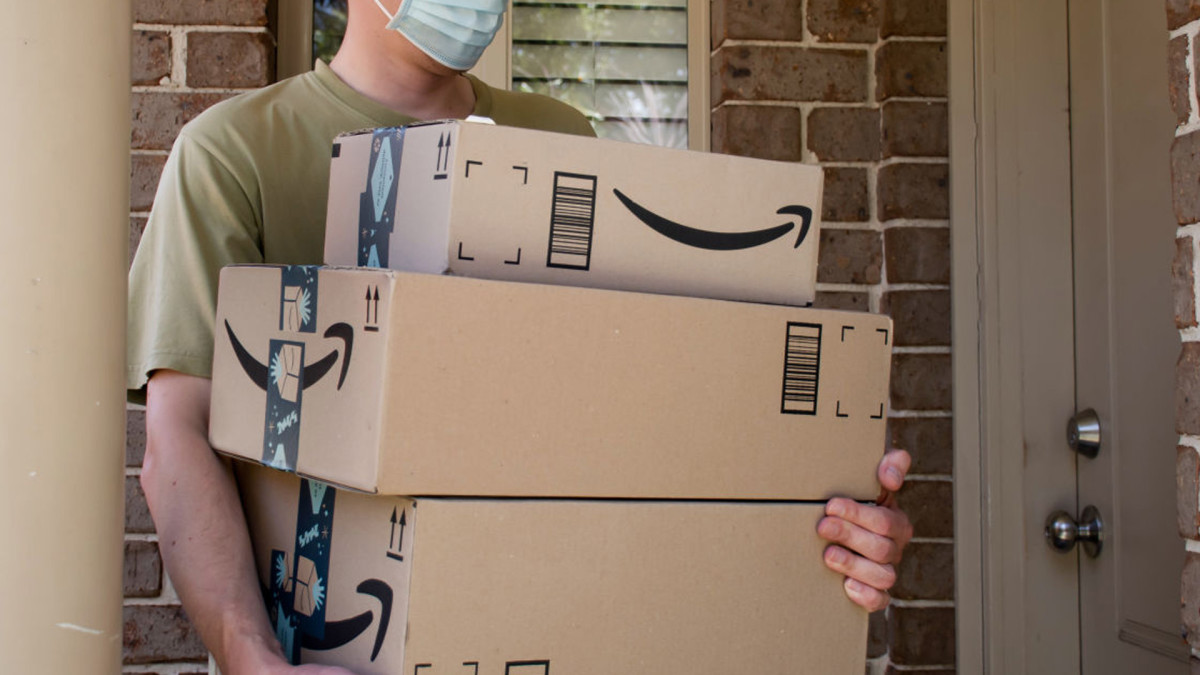 Free shipping remains the biggest perk of Amazon Prime.
Image source: Daria Nipot/Getty Images
How is Amazon Family different?
Invitees could be people who live someplace other than the Prime account holder’s principal residence. That’s not the case with Amazon Family.
“To share benefits, you and your invitee must live together at the same primary residential address. This is the address you consider to be your home and where you spend the majority of your time,” Amazon shared.
More Retail Stocks:
- Kohl’s takes drastic action to fix concerning customer behavior
- Costco Drops Long-Term Policy On Offering Only 1 Credit Option
- New Target CEO Making 3 Major Changes to Win Back Shoppers
In addition, the added adult family member must agree to a requirement that might limit the people with whom Prime account holders would be willing to share.
“You and your invitee must agree to share payment methods in order to share Prime benefits. As a security measure, we’ll notify you if your invitee moves your credit or debit card to their wallet,” the online retailer added.
Why is Amazon doing this?
Amazon wants to continue to grow its Prime membership base.
“Prime memberships and other subscription fees account for about 7% of Amazon’s sales, amounting to more than $12 billion in the last quarter alone. But the growth rate of Prime subscriptions has stayed in the low double-digits for almost two years,” the New York Times reported.
Essentially, this is a bit like Netflix cracking down on password sharing. It’s going to force some people to buy their own subscription.
“Most American households that can afford a Prime membership already have one, analysts have said. This change allows Amazon to find more customers who will sign up and pay for their own accounts,” the Times added.
Amazon is offering former invitees a deal. They will get their first year of Prime at $14.99 for the year. After the year ends, they’ll have to pay the annual fee of $139 for membership, which equals $14.99 per month.
Amazon Prime annual membership pricing history
- 2005: Introduced at $79/year, offering free two-day shipping and limited benefits.
- March 2014: Increased to $99/year.
- April 2018: Raised to $119/year.
- February 2022: Increased to $139/year.
Is Amazon taking a risk?
GlobalData Managing Diretctor Neil Saunders laid out what could go wrong for Amazon in making this change.
“There are risks, most notably those losing the benefit abandoning Amazon or using it less which would impact retail and third-party fees. But the betting is that most of those affected will get Prime for themselves – especially so since Amazon is improving delivery times so more of the country has access to very fast shipping,” he told RetailWire.
Mark Ryiski, a leading author of books on retail, sees the risks as well.
“There’s little doubt that Amazon is counting on some percentage of the Invitees to be hooked on Prime and buy full memberships. However, in other cases, people will just adjust their behaviors to get around this new requirement. The broader crackdown on subscription sharing by Amazon others isn’t a positive for their customers – though I have little doubt it will make their respective CFOs happy.”
Retail Consultant Mohammed Amer thinks Amazon may be underestimating its competition.
“Amazon’s betting that household penetration saturation justifies cannibalizing goodwill. But in an era where competitors like Walmart+ and Target Circle are aggressively courting price-conscious consumers, alienating cost-conscious customers who were ‘trying before buying’ through invitees could backfire,” he wrote.
Related: Target announces plan to solve a growing customer problem