
Scams seem to have risen to a new level of ugliness in 2025, empowered by highly advanced technology such as AI.
The Federal Trade Commission reported that consumers lost more than $12.5 billion in 2024 to fraud, which is an alarming 25% more than numbers reported in 2024.
💵💰Don’t miss the move: Subscribe to TheStreet’s free daily newsletter💰💵
Topping the list was investment scams, which robbed innocent people of $5.7 billion dollars in 2024.
While it’s easy to fall prey to an investment scam, especially when the scammer included family and other loved ones to provoke fear, they often share one common hallmark that can make them easy to identify: they’re simply too good to be true.
Related: The most common scams of 2025
Whether a scammer promises a cryptocurrency investment with little to no risk, or a way to eliminate all of your debt quickly, these solutions are designed to hit your most vulnerable concerns.
Now a new scam has emerged that targets Amazon Prime customers, which totaled an estimated 180.1 million in 2024, Per Capital One.
If you happen to be a subscriber, you may have received an email about these scams, but it’s best to educate yourself to be aware of what to expect.
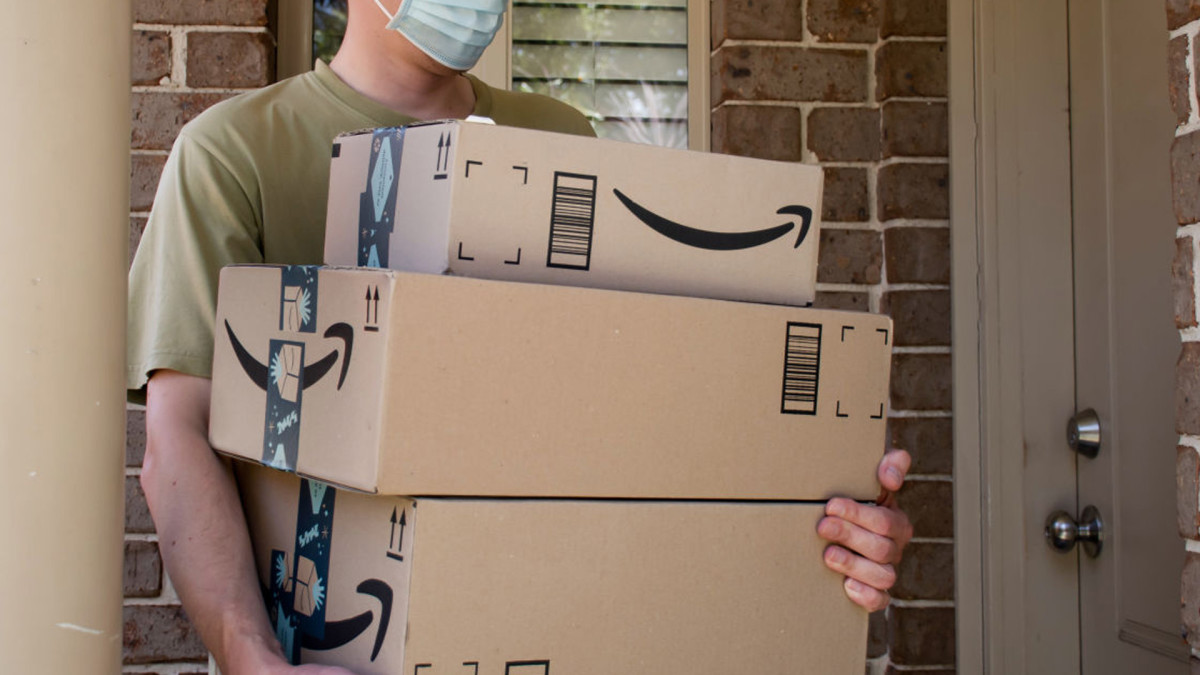 Amazon Prime customers are at risk from a new scam.
Image source: Daria Nipot/Getty Images
An Amazon Prime scam via email
Amazon sent an email to its Prime customers recently to alert them about a new scam that aims to provoke alarm about a subscription price increase.
“We’ve recently noticed an increase in customers reporting fake emails about Amazon prime membership subscriptions,” the email reads. “We want to help you stay protected by sharing important information about these scams.”
The email goes on to describe the fake emails, which claim that your Amazon Prime subscription “will automatically renew at an unexpected price.”
Amazon warns that there may be personal information included in the emails in an attempt to confuse the recipient into believing the message is legitimate.
“These emails may also include a “cancel subscription” button leading to a fake Amazon login page,” Amazon warns.
Related: Amazon makes a clever move to handle a massive Prime Day
But if you click that link, you’ll end up on a fake Amazon login page that is designed to capture your email and password. Once the scammers get this, they can log on as you and buy whatever they want using your stored credit cards.
And if you happen to reuse passwords and have the same one for any other accounts, the scammer now has access to them, too.
Other Amazon scams to watch out for
Unfortunately, this newer email scam is far from the only one to look out for.
Another big one is Amazon gift card scams, where scammers take on a variety of tactics to get Amazon users to share gift card information.
These scammers may pose as the police, the IRS, the Social Security Administration, or the Federal Trade Commission, and may also tell you a family member is in trouble and needs help right away.
In short, if you’re told to purchase Amazon gift cards to pay for anything, it’s a scam.
Amazon has also reported seeing an influx of scammers posing as job recruiters, with Amazon customer reports showing a 90% increase in reported cases from January through March 2025.
In this scam, you may get an email, phone call, or a text offering employment with unrealistic parameters (large compensation packages, working very few hours, etc).
According to Amazon, 83% of reported cases also encountered scammers demanding payments through cryptocurrency or gift cards.
In short, if you feel unsure, don’t make a move. Hang up the phone if it’s a call, and flag it as spam if it’s a text or an email.
Most importantly, never give out personal information, as this practice will help you stay safe.
Related: Amazon Prime gets bad news amid alarming customer issue