
Airlines are no longer competing on price and schedules alone. They are competing on experience, and sometimes, even the smallest gestures can make the biggest difference. As they like to say, ”It’s the little things that are not little.”
A new trading card program is finally arriving for American Airlines pilots, but the unusual rollout is raising eyebrows inside the cockpit.
Passengers asking pilots for collectible airplane trading cards is no longer a rare moment. It’s becoming a full-blown travel trend. And now, American Airlines is finally catching up.
After years of passengers walking away empty-handed, American pilots can now offer airplane trading cards featuring popular aircraft like the Boeing 787 Dreamliner and Airbus A321.
But here’s the twist: The airline itself isn’t behind the rollout.
Instead, the initiative comes from the Allied Pilots Association. The 63-year-old pilots’ union, headquartered in Fort Worth, Texas, near Dallas/Fort Worth International Airport, represents roughly 16,000 American Airlines pilots as their certified collective bargaining agent.
It has also evolved into the world’s largest independent pilots’ union, offering extensive member representation and allocating more than 20% of its dues toward aviation safety initiatives.That unexpected move is sparking mixed reactions and raising bigger questions about airline culture, branding, and who should be responsible for improving the passenger experience.
American Airlines pilots finally join the trading card trend
The introduction of trading cards marks a major shift for American, which had long been the only major U.S. airline without such a program.
The cards themselves feature detailed designs of aircraft, including the Boeing 737, Boeing 777-300, and Airbus A321, often set against global destinations like Paris and Sydney.
For aviation enthusiasts, especially younger travelers, these collectibles have become a fun way to engage with pilots and learn more about the aircraft they’re flying on.
Related: American Airlines makes chic change some travelers will appreciate
If it’s something you’re hearing about for the first time, this trend is actually not new. According to Alaska Airlines, it first introduced trading cards in the 1990s, while Delta Air Lines (DAL) expanded the concept in 2003. Over time, the cards evolved from niche collectibles into a social media phenomenon.
By 2024, Delta passengers collected more than three million cards, fueled largely by viral posts on platforms like TikTok. Airlines quickly realized that these small gestures can create memorable experiences and build long-term brand loyalty.
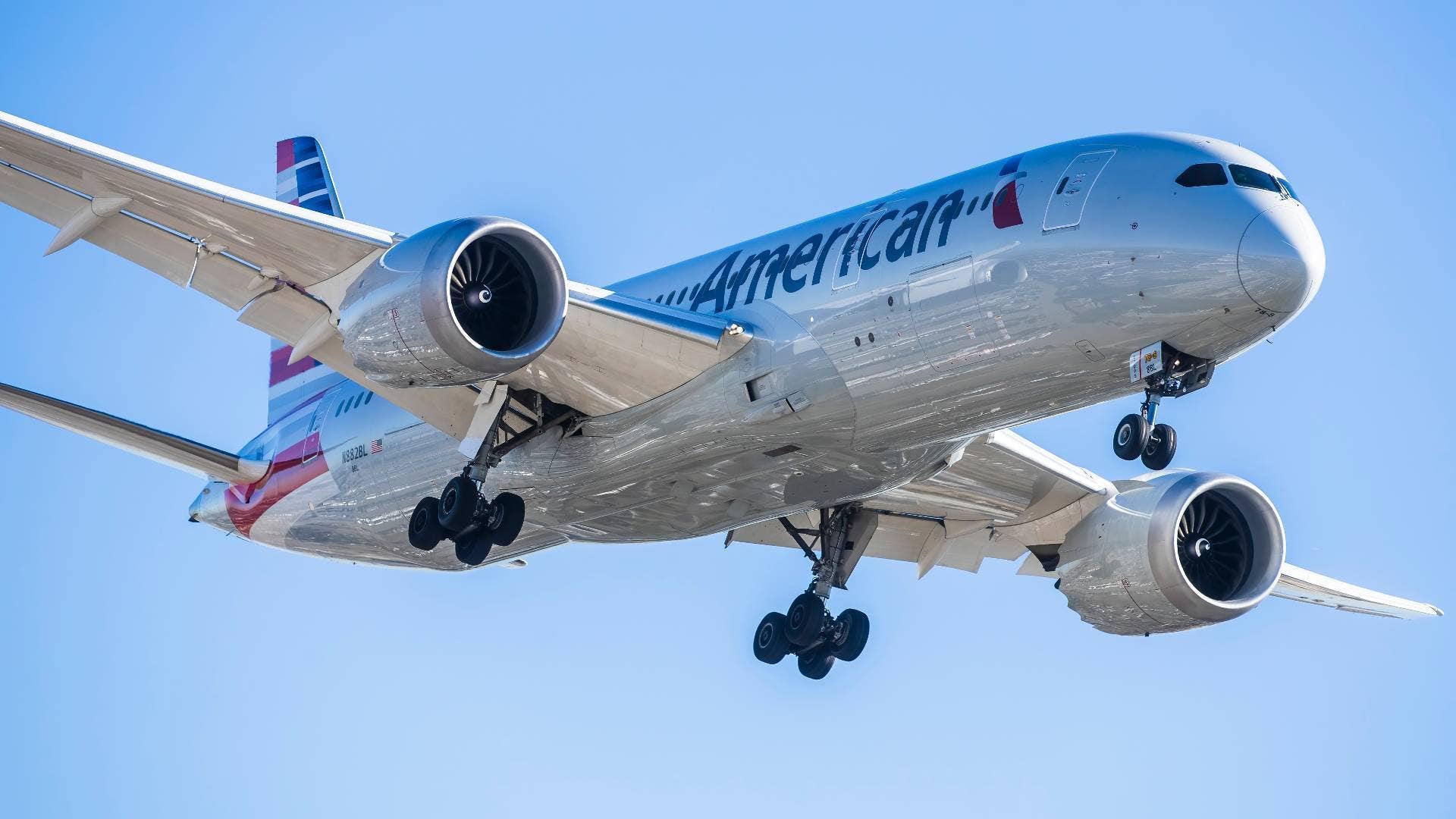 For aviation enthusiasts, collectible aircraft trading cards have become a fun way to engage with pilots and airlines.
Pilots union steps in and sparks controversy
Rather than rolling out the program internally, the Allied Pilots Association took matters into its own hands.
According to the union, the goal is simple: to “enhance the experience of our passengers.” Pilots can pick up the cards at their bases and hand them out during flights, giving customers something tangible to remember their journey.
More Airlines:
- American Air launching 15 new summer routes between U.S. cities
- Low-cost airline will launch new flight to South Korea from US
- American Airlines joins the Spirit Airlines bankruptcy case
But not all pilots are thrilled. Some see the cards as a positive step, especially those tired of telling passengers, often kids, that they have nothing to give. Others, however, are questioning why union dues are being used for something they believe should be funded by the airline itself.
Critics argue that customer experience initiatives like this should come directly from the company, not employee-funded organizations. Supporters counter that the cards are a small but meaningful way to improve interactions, regardless of who pays for them.
Either way, the unusual rollout has turned what should be a simple perk into a broader conversation about priorities.
Related: Delta trading cards: How to get the newest set
Why aviation trading cards matter more than you think
At first glance, handing out trading cards may seem like a minor detail. But airlines increasingly see these moments as critical touchpoints.
When a pilot hands a child or even an adult a trading card, it creates a personal connection. That interaction can shape how passengers feel about an airline long after the flight ends.
Related: United Airlines makes big change to its bags policy
Competitors understand this well. Delta Air Lines (DAL) has openly emphasized how pilot-passenger interactions can “elevate and enrich the flight experience.” Spirit Airlines (SAVE) and Frontier Airlines (ULCC) have also launched their own versions, recognizing the growing demand.
The surge in popularity is largely driven by social media. Travelers now actively seek out these cards, sometimes even visiting the cockpit before departure just to ask for one. For airlines, that kind of engagement is hard to ignore.
What this means for passengers and the airline industry
The bigger picture regarding trading cards concerns how airlines compete for customer loyalty in an increasingly crowded market.
We both know that passengers today expect more than just transportation. We have a full list of expectations, from experiences and personalization to small moments that make travel memorable.
Trading cards may be simple, but they tap directly into that demand. For American Airlines, this move could help close the gap with competitors that have already embraced these ideas.
But the fact that the initiative came from the union, not the company, also highlights ongoing challenges around internal alignment and customer strategy.
For you, that could mean more personalized and engaging flights ahead.
And for airlines? It’s a reminder that even simple ideas can have outsized impact, if they’re executed the right way.