
Scroll long enough and you’re bound to land on a video promoting deeply discounted Lululemon leggings or a Hermès Birkin lookalike at a fraction of the price.
The voiceover promises it’s “factory direct” — same materials, same suppliers, just without the markup. Sounds like a deal too good to pass up.
Related: Birkin bag maker faces major problem
Some videos even claim to expose the very suppliers used by the luxury brands themselves, offering what appears to be a direct line to the source.
But behind these bargain clips lies a much bigger story.
💵💰Don’t miss the move: Subscribe to TheStreet’s free daily newsletter💰💵
Over the last month, a flood of viral videos from Chinese factories has targeted American shoppers with suspiciously luxe-looking items.
The timing? Not a coincidence.
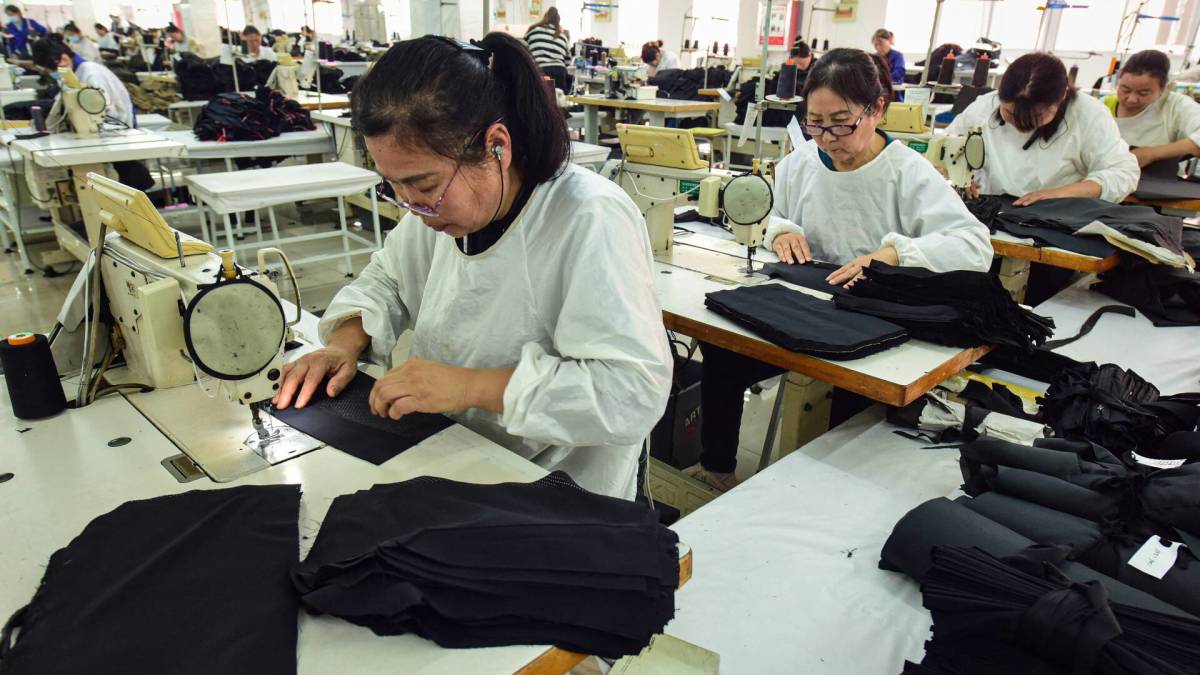 Viral TikTok videos promise luxury fashion at bargain prices.
Image source: STR/AFP via Getty Images
Tariffs, TikTok, and the rise of fake luxury deals
Experts point to the Trump administration’s recent 145% tariff hike on Chinese imports as the tipping point. Although a 90-day tariff truce between the U.S. and China will lower tariffs on each country’s goods beginning May 12, the future impact of tariffs remains uncertain.
“As tariffs continue to be put onto items, the prices of luxury items, especially name brands, are going to make these items unaffordable to potential customers,” Vidyuth Srinivasan, CEO of luxury authentication platform Entrupy, told Retail Brew. “People are naturally going to start looking for cheaper alternatives… That’s where counterfeiters step in.”
Related: Lululemon faces rising challenge from copycat/dupe brands
What makes this different from knockoffs of the past is how convincingly it’s being packaged. Many of the sellers claim to be manufacturing for brands like Louis Vuitton or Lululemon, offering consumers “leftover” goods at wholesale prices.
In reality, they’re peddling copycats — often very good ones — through sophisticated sales funnels that span TikTok, Reddit, WhatsApp, and live-stream platforms.
“The journey starts [on Reddit], then moves to messaging apps,” said Brian Ehrig, partner at consulting firm Kearney. “From there, they are having one-on-one conversations with factory representatives… It’s quite a personalized experience.”
It’s working — and that’s the problem.
Luxury brands and resale platforms face growing risks
The counterfeit industry isn’t new, but its speed, reach, and believability are evolving fast. And it’s cutting into multiple sectors.
“For luxury brands, it chips away at exclusivity and weakens the brand’s perceived value,” Srinivasan explained. “For resale platforms, it’s even harder — authenticity is their entire business model, and just a few fakes slipping through can damage trust.”
Counterfeit goods made up an estimated $467 billion in global trade in 2021, according to the latest OECD/EUIPO report Mapping Global Trade in Fakes 2025.
And the biggest chunk of that? Clothing, footwear, and leather goods — which together accounted for 62% of all seized fake items.
Experts say it’s time for retailers to step up. That means getting serious about authentication tools, educating buyers, and staying sharp on how these fakes are being sold.
It’s a growing challenge — and one the industry can’t afford to ignore.
Related: Veteran fund manager unveils eye-popping S&P 500 forecast