
Silver hit a record high of $121.6 per ounce in January 2026. It has since fallen 35%. The structural story underneath has not changed at all.
The Silver Institute and consultancy Metals Focus published its annual outlook on April 15, warning that the silver market is heading for a sixth consecutive year of structural deficit. Since 2021, 762 million troy ounces have been drawn from global stocks to cover the gap between supply and demand, according to Reuters. That drawdown is raising the risk of a renewed liquidity squeeze.
What the 2026 silver market deficit actually looks like
The 2026 silver market deficit is projected to widen to 46.3 million ounces, up from 40.3 million ounces in 2025. That is a 15% increase in the shortfall, according to Bloomberg.
That widening is happening even as total demand is expected to fall 2% in 2026, driven by weaker industrial and jewelry consumption. Industrial silver fabrication is forecast to drop 3% to a four-year low, with the Iran war’s damage to global growth cited as a risk that could push it even lower, Reuters noted.
More Gold:
- Gold just saw its biggest decline since 1983: what’s next
- Gold and silver bugs face grim reality check
- Gold’s price is falling fast: Here’s what comes next
The reason the deficit widens despite softer demand is that supply is shrinking, too. Total global silver supply is forecast to decline 2%, reflecting producer hedging normalizing after a sharp jump in the second half of 2025. When both demand and supply fall, but supply falls faster, the gap gets wider.
One bright spot is coin and bar demand, which is forecast to rise 18% in 2026, supported by a recovery in U.S. buying. That helps offset some of the industrial weakness on the demand side.
How the silver market got here
Silver is used across jewelry, electronics, electric vehicles, and solar panels, as well as for investment. That dual role as both an industrial metal and a store of value makes its supply-demand dynamics more complex than most commodities.
The current deficit cycle began in 2021. Since then, above-ground inventories have been steadily drawn down to cover the shortfall. The October 2025 liquidity squeeze in the benchmark London market was a direct result of that process, triggered by months of inflows into U.S. inventories and silver-backed exchange-traded products alongside a spike in physical demand.
The squeeze drove prices to their record high of $121.6 per ounce in January 2026, following a 147% surge in 2025. Since then, liquidity has improved as metal flowed back from the U.S., ETPs saw outflows, and Indian demand eased. But the structural deficit that created the conditions for that squeeze has not been resolved, according to Reuters.
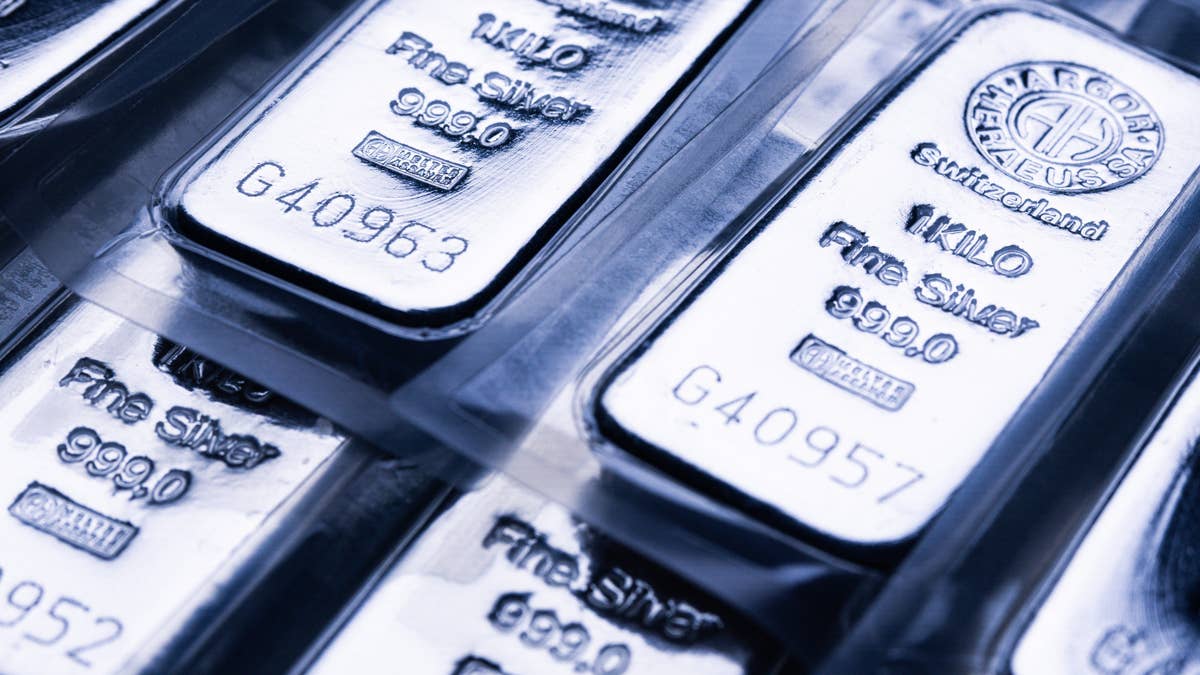 Silver coin and bar demand is forecast to rise 18% in 2026, supported by a recovery in U.S. buying.
Stiller/Getty Images
Why the silver squeeze risk persists in 2026
A squeeze occurs when buyers compete for limited physical metal and available supply becomes difficult to source quickly. With 762 million ounces drawn from stocks over five years and inventories continuing to fall, the market has less buffer than it did at the start of the deficit cycle.
The Silver Institute and Metals Focus note that the market will continue to rely on above-ground stock drawdowns to balance supply and demand in 2026, according to SilverTrade. That arrangement is not sustainable indefinitely, which is precisely why the squeeze risk remains elevated, even after last year’s episode.
Key silver market figures for 2026:
- 2026 projected deficit: 46.3 million ounces, according to Bloomberg
- 2025 deficit: 40.3 million ounces, according to Reuters
- Deficit widening year-over-year: 15%, according to Bloomberg
- Stock drawdown since 2021: 762 million troy ounces, according to Reuters
- 2026 total demand forecast: Down 2%, according to Reuters
- 2026 industrial fabrication forecast: Down 3% to a four-year low, according to Reuters
- 2026 coin and bar demand forecast: Up 18%, according to Reuters
- 2026 total supply forecast: Down 2%, according to Reuters
- Silver record high: $121.6 per ounce, January 2026, according to Reuters
- Silver decline from record: 35%, according to Reuters
- Silver surge in 2025: 147%, according to Reuters
What silver numbers mean for investors
The price action and the fundamentals are pointing in different directions right now. Silver is down 35% from its January record, but the underlying supply-demand balance is getting tighter, not looser. That disconnect is what makes the current setup interesting to analysts watching the market.
The risk to the bullish case is that industrial demand could weaken further if the Iran war’s impact on global growth is larger than currently modeled. The war is already acknowledged as a downside risk to industrial fabrication in the Silver Institute and Metals Focus report cited by Reuters.
For investors, the key question is whether the sixth consecutive deficit will eventually force prices higher again or whether softer demand gives the market enough breathing room to avoid another squeeze. The Silver Institute and Metals Focus suggest the answer depends largely on how quickly inventories continue to fall and whether industrial consumption stabilizes in the second half of the year.
Related: Silver just had a positive week, and here’s what comes next
