
These days, it seems like customers have more selection than ever.
Retailers — both big and small — try to beckon us with limited-time offers, sales, flashy branding, and collaborations with popular brands.
And when you walk into a big-box store, you’d probably think you were spoiled for choice.
Large retailers often boast tens of thousands of square feet of shopping space.
Wide, shiny aisles stocked to the brim with everything from cleaning supplies to cereal certainly offer convenience — and sometimes savings.
Related: Famous retail chain makes two more alarming store closures
But when you take a closer look, customers aren’t always in the dominant position.
There is certainly value to be found at a local warehouse club, like Costco or Sam’s Club.
These retailers buy their wares in bulk, which often affords them the best pricing. They can then pass these savings on to their customers.
So while your total bill may be higher when you leave a Costco, you’d need to make fewer trips there (in theory) to stock up on essentials.
Not many of us are going through nearly 200 baby diapers per week, for example.
But sometimes those high bills are harder to justify, particularly for folks who live paycheck to paycheck or simply don’t want to buy everything in bulk.
So they turn to other retailers to save a buck.
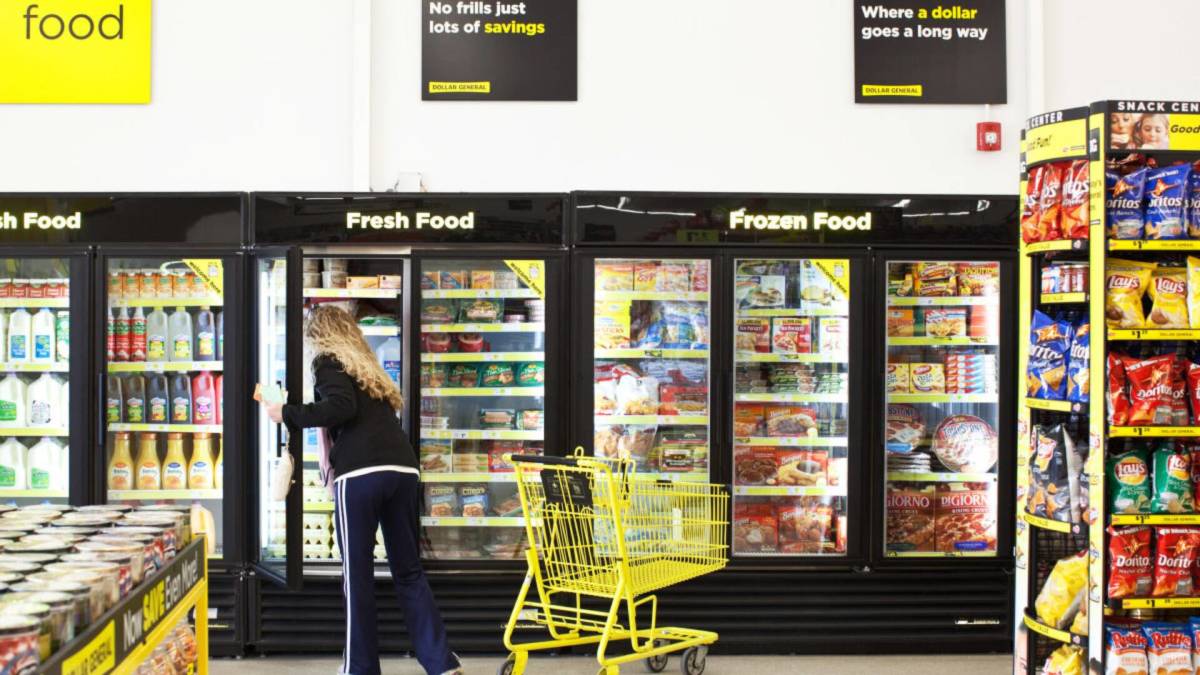 Dollar General is closing stores.
Image source: Bloomberg/Getty Images
Dollar stores offer a different model
Some customers shop at value chains and dollar stores in an effort to save money.
Popular stores like Dollar General (DG) and Five Below are popular for their accessiblity and convenience. They’re often located in rural or lower-income areas to help serve a populace looking for the lowest possible prices.
More Retail + Closures:
- Lowe’s launches massive early answer to Amazon Prime Day
- Target has new plan to win back customers with big savings
- Home Depot makes clear statement amid boycott threats
- Famous retail chain makes two more alarming store closures
But the picture is a little more complicated. While customers may have a lower bill at a dollar store, these chains often just sell their goods in much smaller quantities.
This means that while items appear to be much cheaper, you’re really just paying for a smaller amount.
It’s basically the inverse model of a warehouse club, where you might have a higher bill, but get more for your money.
Dollar store closing locations
But the popularity of dollar stores has surged in recent years as some customers do what they can to save every cent.
That doesn’t mean all stores are safe from downturns, however.
Related: Target has new plan to win back customers with big savings
And now, Dollar General is quietly closing some of its stores across the U.S. in an effort to focus on profitability.
The Tennessee-based discount chain is expected to close about 96 Dollar General stores and 45 Popshelf stores. Many of these stores are located in urban areas, where customers have more selection, or financially underperforming locations.
These closures don’t represent a huge dent in Dollar General’s footprint, however.
The chain still operates over 20,000 stores and plans to open up to 725 new stores in 2025 alone.