
It’s pretty rare to see a giant tech company make a foray into the physical retail space.
It’s even less common to see a tech company hack the retail industry successfully.
💵💰Don’t miss the move: Subscribe to TheStreet’s free daily newsletter💰💵
Most disruptors tend to avoid brick-and-mortar retail space like the plague.
That’s because, historically, physical retail is a beast of an industry to crack.
For one, longstanding retailers are already firmly entrenched in the space. And competition is fierce.
Related: Popular Mexican chain unexpectedly closing down local restaurant
It’d be awfully hard to convince consumers that you offer a better price point or experience than large incumbents like Walmart (ostensibly the king of physical retail), Target, or Home Depot.
And brick-and-mortar tends to be a money vacuum.
High costs of rent, utilities, rising shrink (another term for theft), tariffs, and supply chain issues make running a retail business something of a headache.
Most of the successful tech companies know streamlined operations thanks to software and other online advancements make for a far smoother business model.
So most of them lack a physical store presence and put their money saved into other things, like research and development or a dividend.
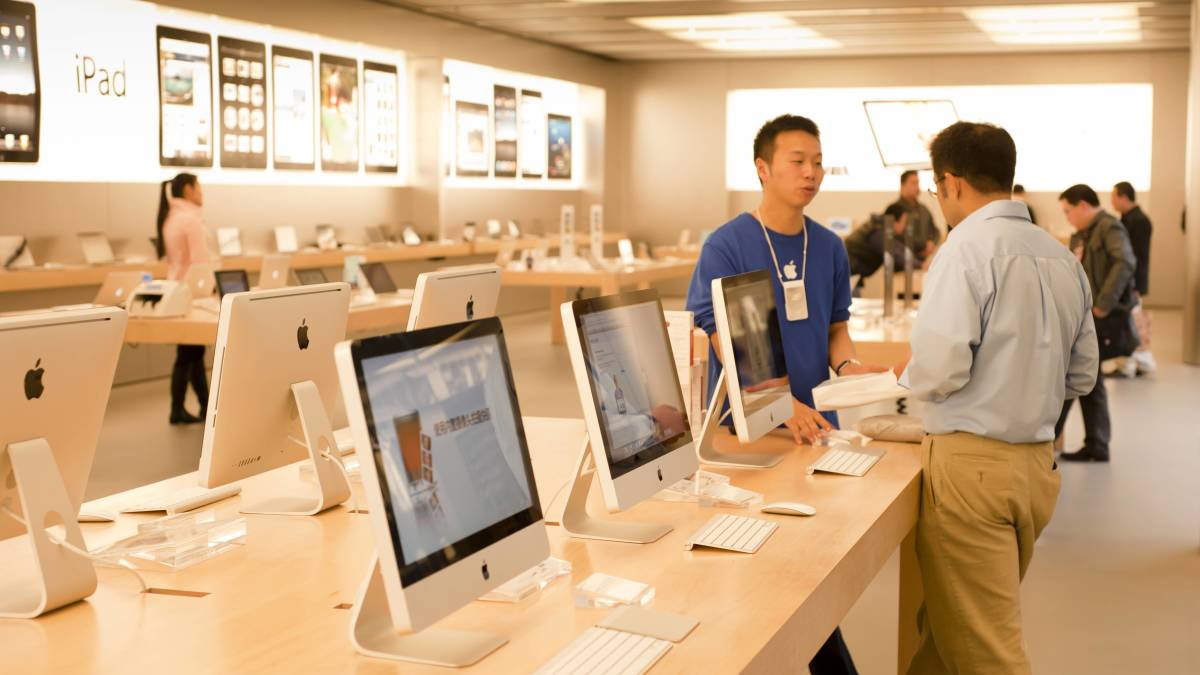 Apple is making changes to its store presence in Detroit.
Image source: pcruciatti/Shutterstock
Most tech companies avoid physical stores
This isn’t to say that tech companies ignore the retail space altogether.
There are plenty of successful online businesses that cater to consumers and offer robust storefronts — just without a physical footprint.
Wayfair, Amazon, and even Carvana offer storefronts for customers to shop from almost exclusively online.
More Retail:
- Popular Mexican chain closing all restaurants, no bankruptcy
- Home Depot local rival closing permanently after 120 years
- Amazon makes a harsh decision amid concerning customer trend
- Huge bankrupt retail chain closing down all stores after 80 years
To be fair, some tech retailers have tried their hands at brick-and-mortar models.
Amazon, for instance, has been trying to crack grocery and convenience for years.
But it’s been a rocky road; Amazon has largely shuttered some of its ambitious retail projects like Amazon Books and Pop-Up stores.
It current operates over 600 brick-and-mortar stores.
Despite its massive expansion, Amazon commands under 3% of the physical retail space.
Apple operates retail differently
Part of the reason Amazon has struggled with retail is because it’s over-expanded its offerings.
Bookstores, convenience stores, pop-up shops, and grocery stores are a great way to spread your inventory thin and confuse your customers.
But Apple (AAPL) does retail differently.
Related: Home Depot makes clear statement amid boycott threats
It’s one of the few tech giants that actually sees success from its brick-and-mortar presence.
Stores are highly organized and only offer a handful of products in very clear displays that make navigation a cinch.
Each time a new iPhone launches, for example, stores across the globe see big upticks in foot traffic — and often lines forming outside the doors long before opening time.
Another reason they’re successful is because Apple is constantly monitoring store metrics and changing its footprint.
Such is the case in Detroit, Mich.
Apple announced it would open a new Apple store in downtown Detroit on Woodward Avenue near the Shinola Hotel.
At the same time, it announced it would not renew its lease at the Partridge Creek Mall in Clinton Township, Mich. That store is slated to close in August 2025.
Apple seems to be betting on a larger trend in the retail industry, whereby customers are moving away from shopping malls (which are rapidly declining in popularity) in favor of more upscale, frequented outdoor shopping areas.