
One of the few bright spots to come out of the pandemic was Wordle, the daily word puzzle created by software engineer Josh Wardle.
He originally made the game in 2021 as a gift for his partner, Palak Shah. After sharing it with friends and family, it quickly went viral — and within just a few months, millions of people were playing.
💵💰Don’t miss the move: Subscribe to TheStreet’s free daily newsletter 💰💵
It wasn’t long before The New York Times (NYT) took notice.
The company acquired Wordle in January 2022 for a price “in the low seven figures,” according to The Times, although exact terms have never been disclosed.
Today, millions of people still play Wordle daily, and The Times has expanded its Games portfolio with other hits like Connections, Spelling Bee, and the long-running Crossword.
Both Wordle and Connections are free to play, though non-subscribers must watch brief ads to access them. Subscribers to the Times’ Games or All Access plans can play without ads and unlock additional puzzles and features, including access to NYT Cooking and The Athletic.
Now Apple (APPL) appears to be taking a page from The Times’ playbook. The tech giant is betting that its loyal user base will embrace a premium content model that includes brainteasers alongside news, music, and more.
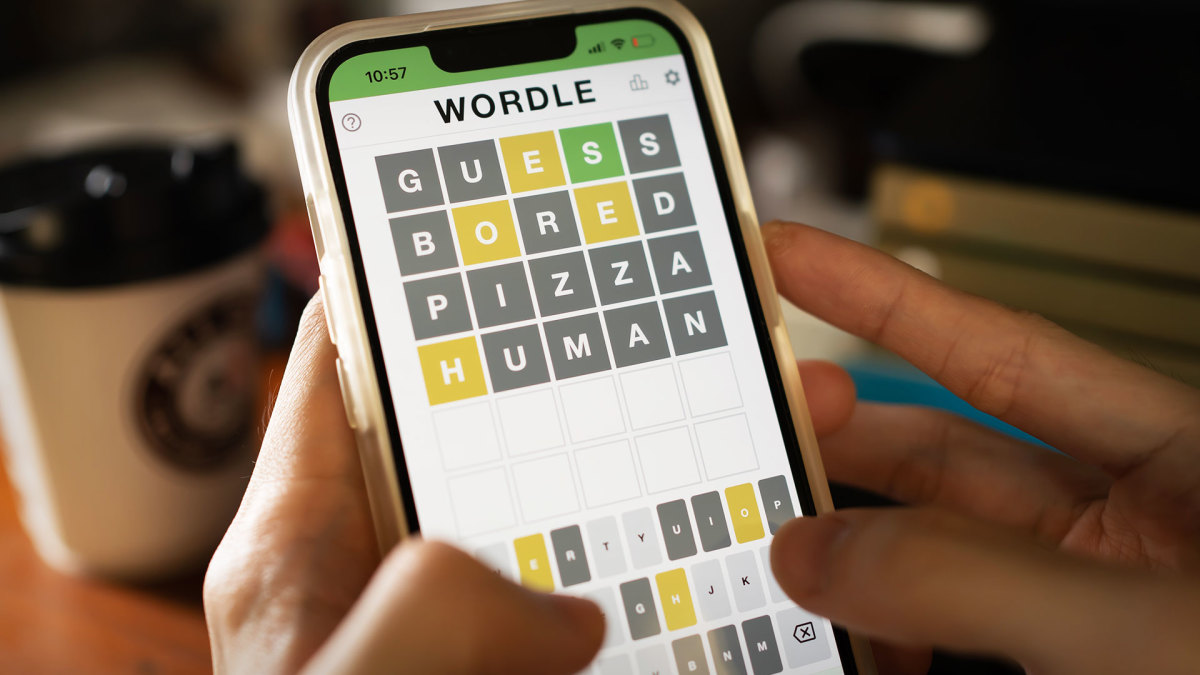 Wordle is a word-play game millions of people play every day.
Image source: Shutterstock
Apple launches a new puzzle game to compete with Wordle
To mark World Emoji Day (yes, that’s a real thing, celebrated annually on July 17), Apple has launched Emoji Game, a new daily word puzzle exclusive to Apple News+ subscribers. The puzzle challenges users to solve short phrases by dragging and dropping emojis into the correct blanks — essentially turning everyday emoji into mini riddles.
“The game turns the emoji we use every day into a brainteaser that’s approachable and fun,” said Apple News Editor-in-Chief Lauren Kern in a company statement.
Related: AT&T making move designed to outrage older Americans
Emoji Game is powered by Apple Intelligence, the company’s upcoming generative AI platform, and features “Genmoji,” Apple’s name for AI-generated custom emoji-style characters. The Genmoji are created using user prompts and can be dropped into messages and games.
Like Wordle, players can share their scores with friends through iMessage or social media.
Emoji Game is included with an Apple News+ subscription, which costs $12.99/month. In the fall, according to the Emoji Game announcement, Apple plans to launch Apple Games, a new section in the News app that will feature additional interactive content.
Apps and the content bundling strategy
Apple’s move echoes a broader trend in digital content: bundling services to drive engagement and retention. The New York Times has had enormous success with its Games and Cooking apps, with some critics even calling it “a games and recipes company that also does news.”
That might be tongue-in-cheek, but it’s not far off. According to an internal Times report in 2023, subscribers spent more time playing Games than reading news.
The strategy isn’t unique to the Times. Even LinkedIn — owned by Microsoft, which also owns the Minecraft and Xbox franchises — has gotten in on the action.
Related: Apple makes major change that will frustrate customers
In May 2024, LinkedIn introduced three browser-based games: Queens (a logic puzzle), Crossclimb (a trivia and wordplay game), and Pinpoint (a word association game).
The games are free to use and designed to promote light interaction among professionals. They live under LinkedIn News but do not require a paid subscription.
What Apple, The Times, and LinkedIn are doing is classic Silicon Valley: Take what’s working elsewhere and build your own version. Think Instagram Stories mimicking Snapchat, or Instagram Reels copying TikTok.
And now, Emoji Game joins the growing list of puzzles designed not just to entertain, but to capture users — and, ideally, get them to pay for the privilege.