
There is a real difference between paying for something and paying to use it. Most people do not notice which one they agreed to until the final payment clears.
For roughly a decade, financing an expensive phone in the United States worked one way. You committed to a monthly number, you made the payments, and at the end the hardware belonged to you.
Apple (AAPL) built its own program around that promise. Twenty-four months at zero percent interest, AppleCare+ folded into the payment, an upgrade available after 12 payments, and ownership at the end, according to Apple.
Car buyers know the alternative. A lease lowers the monthly number and hands you nothing at the finish line except the paperwork for your next one.
That structure is now arriving in consumer electronics, and the timing is not an accident. Component costs have pushed Apple hardware prices up faster than most household budgets have moved this year.
The company is preparing to replace its financing lineup with a leasing program called Apple Upgrade, backed by Klarna (KLAR), reported TechCrunch.
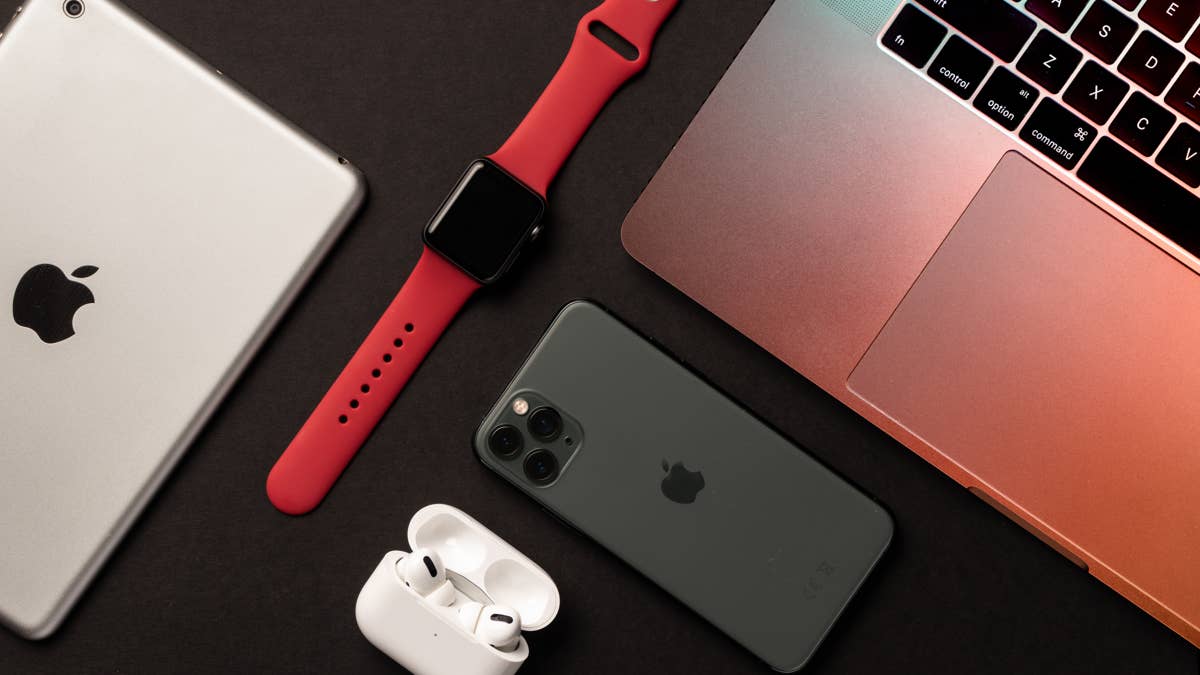 Apple reportedly replaces iPhone financing with a Klarna-backed lease on July 28.
Shahid Jamil / Getty Images
Why Apple needs a new way to sell its hardware
Apple spent the first half of 2026 raising prices, and it has been unusually blunt about the reason.
The company lifted prices across all Macs, iPads, home devices and the Vision Pro on June 25, reported CNN and TheStreet.
Memory and storage chips that go into laptops now compete for supply with data centers willing to pay far more for the same parts.
Apple said it had “never seen a component price increase this much, this quickly,” according to CNBC and TheStreet.
That is the backdrop for a leasing pitch. A lower monthly payment is easier to sell than a higher sticker price, and it moves the conversation away from the number on the shelf tag.
Here is the run-up that made cheaper monthly math look appealing.
- The June 25 sweep had no equivalent in Apple’s modern history, and the 13-inch MacBook Air moved to $1,299 from $1,099, reported Bloomberg.
- Apple shares closed more than 6% lower that session, the worst drop since April 2025, according to CNBC.
- IDC analyst Nabila Popal said “the days of $50 price increases are over,” reported PBS News.
- The iPhone 16, entry-level iPad, Apple Watch SE and MacBook Neo are excluded from the new program, reported Macworld.
Every one of those excluded devices is the cheapest option in its category.
What struck me when I lined up the exclusion list against the price increases is that the program is not built for the budget shopper. It is built to keep buyers one tier above.
Related: Apple’s iPhone cost problem reveals AI’s hidden bill
What the Apple Upgrade leasing program actually does
Apple Upgrade is scheduled to arrive July 28 in the United States, at retail stores and online, reported TechCrunch. Enrollment requires only a soft credit check.
Terms run 24 months for iPhone and Apple Watch, and 36 months for Mac and iPad.
At the end, a customer can return the device, pay off the remaining value to keep it, or upgrade early. Some of those choices carry extra fees.
Apple will stop new enrollments in the iPhone Upgrade Program and its standard financing options as the new service rolls out, reported 9to5Mac.
More Apple News:
- Apple’s iPhone 18 Al bet hides a pricing trap
- Apple just raised its service prices without telling anyone
- Apple’s stunning Nvidia flip reveals where Al money is moving
Business and education purchases do not qualify.
When I ran the old terms against the reported new ones, the number that moves is not the monthly payment. It is the AppleCare+ line.
The existing iPhone Upgrade Program bundles AppleCare+ with Theft and Loss into the monthly cost, according to Apple’s own program page. The new leases reportedly do not.
Coverage becomes a separate purchase, which means the advertised monthly figure and the actual monthly figure will not match for anyone who wants their phone insured.
That is the tradeoff. You get a smaller headline number and a device you are renting rather than retiring debt on.
The buy now, pay later math working against your budget
Klarna is not a neutral plumbing choice here. The company is one of the largest buy now, pay later lenders in the United States, and that market has been sending warning flares for two years.
Nearly half of buy now, pay later users, 47%, said they paid late on a loan in the past year, up from 41% in 2025 and 34% in 2024, according to LendingTree.
Roughly 29% have used the loans to buy groceries, reported CNBC.
Total buy now, pay later transaction value reached an estimated $70 billion in 2025, or about 1.1% of credit card spending, according to the Richmond Fed.
That is still small next to the card market, and the Richmond Fed found no clear evidence of elevated stress in the sector so far. The concern is behavioral rather than systemic.
Americans are already taking on debt for basics, and installment products make the monthly cost of a purchase feel smaller than the total. Adding a 36-month lease on a laptop to that stack is a real decision, not a checkout formality.
Klarna shares rose 3.9% to $19.50 on the report, though the stock remains down about 33% this year, reported MarketScreener. Keefe Bruyette kept an Outperform rating and a $26 target, according to Benzinga.
What to weigh before your next iPhone purchase
The practical question is simple. Do you keep your phone longer than the lease term?
If you hold a device for four or five years, financing to ownership almost always wins. The payments stop, the phone keeps working, and the money you were sending Apple every month goes back into your budget.
If you replace hardware every year or two, a lease may cost less per month and land close to even over the full term.
The second question is insurance. Price the AppleCare+ coverage separately before comparing monthly figures, because the old program included it and the new one reportedly does not.
The third question is your credit file. FICO said it would begin folding buy now, pay later data into its scores, reported Fortune, and a soft credit check at signup does not tell you how the account gets reported afterward.
Ask that question at the counter before you sign anything.
Apple has not confirmed the program publicly, and a spokesperson declined to comment on the report, reported MarketScreener. That makes July 28 the date to watch.
Klarna reports second-quarter results Aug. 18, which should show whether the Apple relationship is large enough to move the lender’s numbers, according to Benzinga.
Then comes the fall iPhone launch, where analysts broadly expect another round of increases. If those land near the $150 to $200 range Counterpoint Research has projected, per CNBC, the monthly payment becomes the only price most buyers will look at.
That is the part worth sitting with. When the sticker price gets uncomfortable, the industry does not usually lower it. It changes what you are buying.
Related: Apple just raised its service prices without telling anyone