
Apple’s products carry a price premium that most of its competitors have never been able to justify at the same scale. Customers pay it anyway, in large part because the company has spent decades making the case that its devices are worth the price.
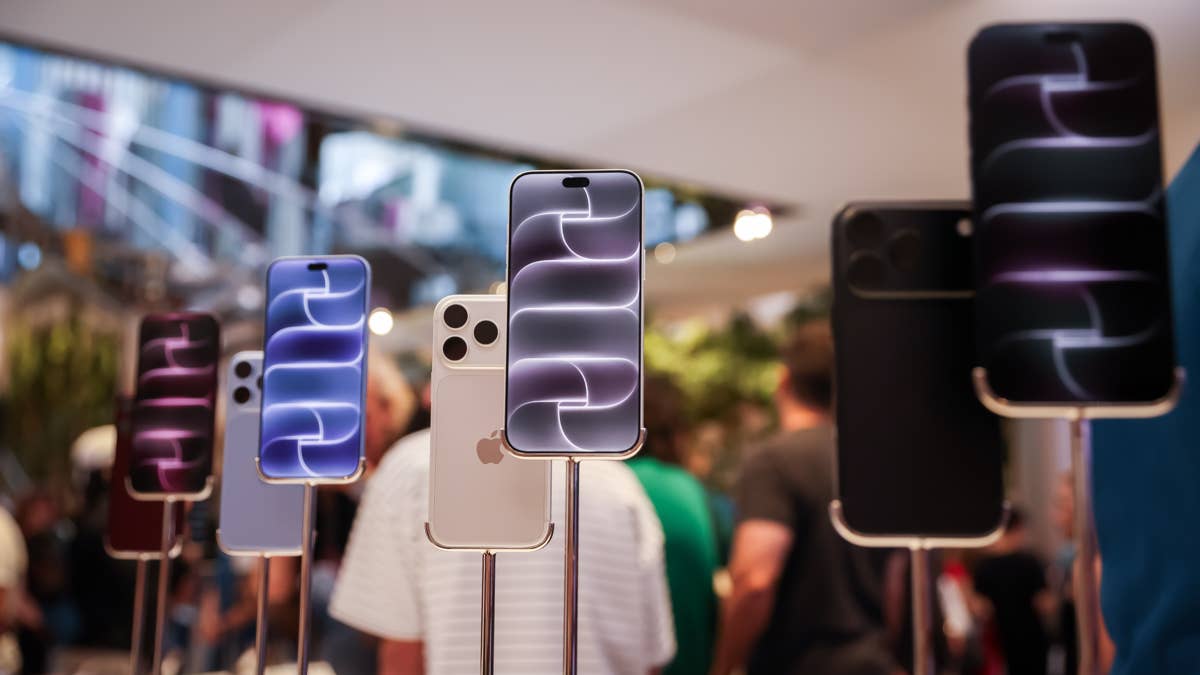
The iPhone 18 Pro Max, which went on sale two weeks ago, is the clearest expression of that promise in Apple’s current lineup. At $1,299, it is the most expensive phone Apple sells outside of the foldable device it has not yet released. Most buyers are getting exactly what they paid for.
However, a group of customers who bought the phone through one major carrier are not satisfied. Bloomberg reported this week that Apple has confirmed the problem and is already directing affected customers toward a resolution.
Also read: Apple’s new CEO plans to send shocking memo to Apple employees
What AT&T customers are experiencing
Apple confirmed that some AT&T customers who recently upgraded to the iPhone 18 Pro Max have lost cellular service entirely. The affected phones cannot place calls, send standard text messages or access mobile data when away from Wi-Fi. Owners are left with a $1,299 device that functions, in practice, as a Wi-Fi-only tablet.
Apple described the affected group as small and has not released a specific count. Apple typically sells millions of iPhones in the weeks following a major launch, which means even a small fraction of that volume can represent a significant number of people. The scope of the issue remains difficult to determine from outside the company, but a complete loss of cellular service is not a minor inconvenience regardless of how many units are involved.
Verizon and T-Mobile customers who bought the iPhone 18 Pro Max have not reported the same problem. The issue appears tied to how affected units work on AT&T’s network specifically, not a flaw running across the entire iPhone 18 Pro Max line.
Why Apple chose replacement over a software fix
Apple is not pushing an update to resolve this. Customers with affected devices are being directed to replace them entirely.
Software problems can usually be patched. An iOS update or a carrier settings change can be delivered over the air in minutes. When a company opts to swap out the physical device instead, it generally means those options are not on the table. The problem may be at the hardware level, in a component or assembly issue that cannot be corrected remotely.
Apple has not publicly explained what is causing the failure. The company’s guidance to customers is to get a replacement, not to wait for a patch. For buyers who just spent $1,299 on a new phone, the process of returning it and waiting for a replacement unit adds friction that most did not expect two weeks into ownership.
 Apple’s choice to replace devices rather than ask customers to wait on a patch is the right call, even if it costs more to execute
How affected customers can get a new device
Affected customers have a few paths to a replacement. Apple Stores and authorized service providers are handling exchanges. For those who bought through AT&T directly, working with the carrier may be faster since the activation is already tied to AT&T’s systems. Either way, reaching out sooner is the practical move, as replacement stock at individual locations can vary.
More Apple:
- Apple rewrites how Americans pay for iPhones
- Bank of America doubles down on Apple stock ahead of earnings
- Apple’s iPhone 18 AI bet hides a pricing trap
Before returning the phone, backing up personal data is important. An iCloud backup, or a local backup through a Mac or PC, will keep contacts, photos, messages and apps intact. Handing in the device without a backup first risks losing that information permanently, and it is worth completing the backup before walking into a store.
Customers who have not had any connectivity problems on AT&T do not need to take action. Apple’s guidance is specific to users who have lost the ability to make calls and use mobile data on the network. Anyone uncertain whether their device is affected can find out by turning off Wi-Fi and attempting to place a call or load a webpage on mobile data.
What this episode means for the iPhone 18 launch
The iPhone 18 Pro Max sits at the top of Apple’s current lineup, ahead of the iPhone Duo foldable the company has not yet brought to market. A hardware-related defect in a flagship phone is a different kind of problem than a bug in a mid-range model. The customers buying at this price point are among Apple’s most committed, and their early experience shapes how the product is perceived as it moves into wider circulation.
Apple’s choice to replace devices rather than ask customers to wait on a patch is the right call, even if it costs more to execute. The company has run into component-level problems before and generally moved past them without lasting fallout. The holiday quarter begins in a matter of weeks, and a drawn-out device problem at this price point, still unresolved going into that window, would do more damage than the cost of replacing every affected unit.
AT&T has not commented separately on the issue. The carrier will need to be involved in activating replacement units for customers who purchased through its stores or upgrade programs. How quickly and smoothly those exchanges are handled will factor into whether the episode fades quickly or lingers as a customer service story heading into the busiest retail season of the year.
Related: AT&T CEO drops 4-word verdict on new Apple iPhone Duo
