
It has rarely been fun since the end of February to stop at a gas station for a fill-up.
It has drained the pocketbook and maybe the soul as well.
August 2026 has been one of those months.
Data from AAA Fuel Prices data shows the average price for a gallon of gas in the United States during the month was $4.074 a gallon. That was the worst August on record, exceeding August 2022, when the average was $3.972.
Related: Is Trump’s big, splashy Venezuela oil deal real?
Gasoline prices are up about 36% since Israel and the United States attacked Iran on Feb. 28 and have risen about 44% on the year.
If there’s some hope to offer, gas prices usually fall in the autumn. The summer vacation season is done, and demand starts to fall off as Americans basically go back to their normal lives.
Plus, the weather cools down (or should) as fall emerges, and the oil companies can move to cheaper gasoline formulations, which brings down pump prices a bit more.
Retail prices are, in fact, about 10% lower than their peaks in May. AAA’s daily average price peaked at $4.564 a gallon on May 21, as did GasBuddy’s daily average.
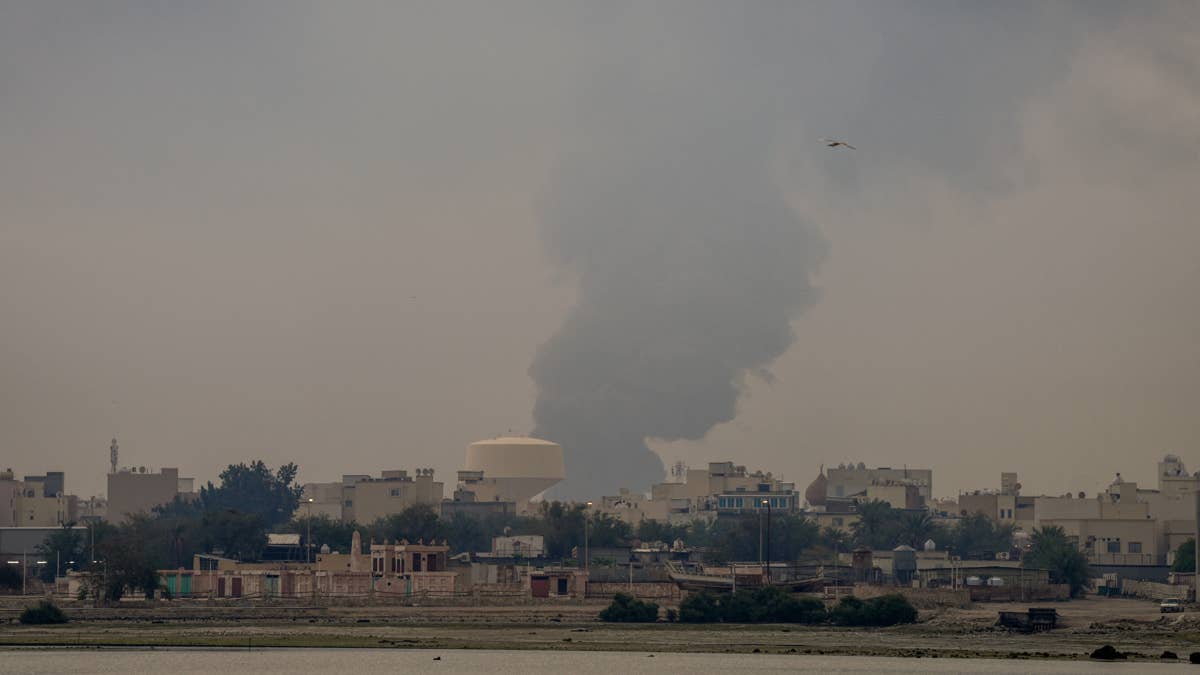 Smoke rises from a reported Iranian strike on fuel tanks in Bahrain in March. Getty Images
Fadhel Madhan / AFP / Getty Images
The situation could be worse
We should note that the 2026 gasoline peaks did not set new highs. The peak for U.S. retail gas prices was set in June 2022 at just above $5 a gallon, and June 2022 prices averaged $4.92, compared with $4.054 a gallon in June 2026.
The 2022 price spike was triggered by global inflation set off by two events: resumption of economic activity after the Covid-19 pandemic and global boycotts against Russia after Vladimir Putin’s invasion of Ukraine.
- Delta quietly cancels its longest domestic flight, offers refunds
- Drivers lose control over gas price squeeze
- A big shift in the U.S. energy market is about to happen
The war keeps getting in the way
Oil prices moved higher on Aug. 31 after United States and Iranian forces fired missiles at one another on Aug. 30 at various locales in and around the Persian Gulf.
The U.S. attacked Iranian military installations at Larak Island in the key Strait of Hormuz, the U.S. Central Command said, because it detected the Iranians were planning to deploy mines in the Strait of Hormuz to disrupt shipping.
(Before the war started, about 20% of the world’s crude oil passed through the strait from ports along the Persian Gulf to reach global markets.)
Later, the Iranians fired drones at U.S. installations in Jordan and the United Arab Emirates.
Global oil prices moved higher in response on Aug. 31, and U.S. stocks were mostly lower. Energy stocks were the strongest sector in the Standard & Poor’s 500 Index.
The U.S. has reduced its attacks on Iran. In a campaign led by Treasury Secretary Scott Bessent, the U.S. is trying to force Iran to negotiate a peace using economic sanctions that would target not just Iran but its allies and supporters as well.
Related: Firearms retailer files Chapter 11 bankruptcy as gun sales drop
