
Some say “all press is good press.” But when an entire company’s reputation is on the line, negative publicity can spark backlash, boycotts, and long-term damage that, in some cases, can be irreversible.
No brand is immune to mistakes, yet some missteps carry heavier consequences than others, especially in today’s social media-driven world, where a single viral post can reshape public perception in the blink of an eye.
In 2026, few subjects remain truly taboo. Conversations that were once considered off-limits are now part of mainstream culture. Still, one boundary many consumers agree should never be crossed is placing children at the center of sexually suggestive or R-rated humor.
For many parents, that line is clear: Don’t involve children in adult innuendo, especially not in marketing.
That’s the situation confronting Frida Baby.
Frida Baby faces backlash over marketing deemed sexually suggestive
Frida Baby is facing calls for a boycott after consumers accused the brand of using sexually suggestive language in its packaging and social media marketing, an approach many argue is inappropriate for a company that sells baby products.
Founded in 2014, the company first gained attention with its NoseFrida the Snotsucker nasal aspirator before expanding into postpartum recovery and fertility products. It has built its identity around straightforward, clever marketing that resonates with first-time parents navigating the realities of parenthood with a newborn.
Today, Frida Baby holds more than 70% share in its main category, with products sold in over 50 countries and in more than 40,000 retail locations across the U.S, according to the company’s profile on Garnett Station Partners website.
Its mission statement says the brand prepares parents “for the unfiltered realities of parenthood with simple yet genius solutions that get the job done.”
But critics argue the brand’s trademark humor may have crossed a line, shifting from relatable to inappropriate.
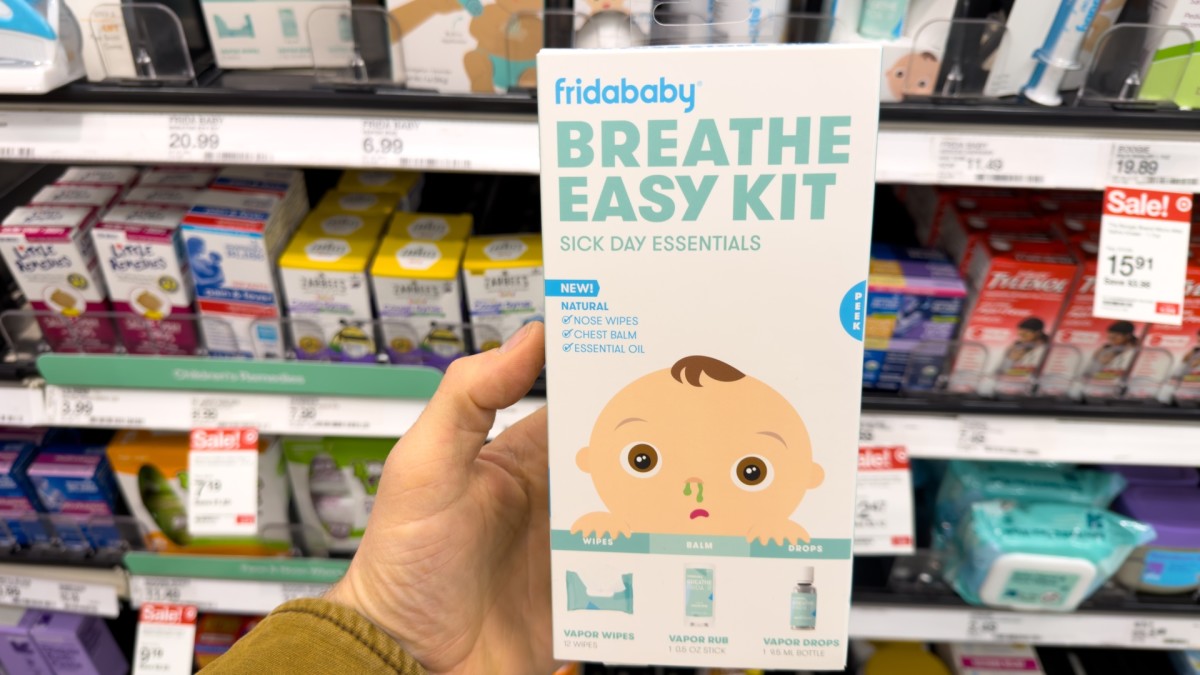 Frida Baby faces backlash over alleged sexually suggestive language in its packaging and social media marketing.
Why some parents are calling for a Frida Baby boycott
The backlash intensified after consumers began circulating images of packaging, social media posts, and campaign captions they deemed sexually suggestive.
A petition on Change.org, titled “Hold Frida Baby accountable for their se*ualization of BABIES in their marketing,” compiles multiple examples of what the petition organizer describes as inappropriate messaging.
The petition names the Federal Trade Commission, the Advertising Self-Regulatory Council, and Frida Baby as decision-makers, all of which are marked as “Awaiting Response.”
Examples of Frida Baby marketing messages considered sexualized
- TikTok caption promoting the 3-in-1 True Temp Thermometer (for rectal, oral, or armpit use) that reads: “This is the closest your husband’s gonna get to a threesome.”
- Packaging for the 3-in-1 Ear, Forehead + Touchless Thermometer with the phrase “How about a quickie?”
- Instagram posts referencing phrases such as “pull-out game,” “threesome,” and “sex is great.”
(TheStreet independently reviewed the cited examples in the petition and social media reposts prior to publication.)
“As a first-time mom, I am horrified by the recently exposed marketing campaign launched by FridaBaby, which blatantly sexualizes innocent babies under the guise of humor,” wrote petition starter Reagan Montanez in The Issue section.
As of February 17, 2025, the petition has gathered nearly 3,900 verified signatures, along with several comments.
Consumers react to Frida Baby boycott push
Many petition signers have since spoken out about the Frida Baby marketing controversy, expressing their thoughts in the comments section.
“I’ve purchased a lot from Frida mom, I’m completely heartbroken over this,” wrote one commenter from Gig Harbor. “I will not support a business that is sexualizing our children.”
Another commenter from Carrollton said, “I’ve always known that sexual innuendos on product packaging and ads are a common marketing tactic, but when it comes to products for children and babies it’s absolutely disgusting.”
A marketing professional with 13 years of experience from Brooklyn added, “Yes, we can be cheeky with marketing campaigns, however they should never, ever sexualize items that surround our children.”
More Business Reputation News:
- Bad Bunny’s bargain outfit breaks Super Bowl fashion tradition
- Target breaks silence on ICE raids
- McDonald’s and Burger King holiday promotions spark major backlash
However, not everyone is convinced the controversy warrants a boycott.
On Reddit, some users questioned whether the outrage was amplified by social media virality, with one commenting, “With the speed that this is gaining traction in the past 24 hours stemming from a single TikTok video this feels like manufactured outrage and I’m hesitant to jump on the bandwagon.”
Others noted that they were unable to find some of the ads outside of reposts on social media.
“Really makes me wonder if it’s manufactured fakery for engagement. Not that uncommon to see anymore,” wrote a user on the same Reddit thread.
Frida Baby responds to outrage over its marketing
Since the controversy gained traction, Frida Baby has removed all posts and product images containing “suggestive language” from its website and has limited comments on recent Instagram posts.
“From the very beginning, Frida has used humor to talk about the real, raw, and messy parts of parenting that too often go unspoken,” a company spokesperson told Modern Retail. “We do this because parenting can be isolating and overwhelming, and sometimes a moment of levity is what makes a hard experience feel human, shared, and survivable.”
“Our products are designed for babies, but our voice has always been written for the adults caring for them. Our intention has consistently been to make awkward and difficult experiences feel lighter, more honest, and less isolating for parents. We’re never trying to offend, push boundaries for shock value, or make anyone uncomfortable.”
Frida Baby did not indicate whether the language would be permanently retired or if internal marketing policies would change.
How marketing can make or break a brand
Marketing shapes how consumers perceive a company. When done well, it builds trust, differentiates the brand, and fosters loyalty, but when done poorly, it becomes a liability.
Around 22% of businesses fail due to ineffective marketing strategies, according to the U.S. Chamber of Commerce.
In an era when screenshots are permanent and a campaign can reach millions within minutes, reputational damage can occur just as quickly.
“In a diverse world, brands must be thoughtful. A poorly researched slogan, visual, or message can offend or alienate entire groups and backlash spreads quickly online,” said MKY Communications industry experts.
Some industry experts caution that not acknowledging backlash can make matters worse.
“One of the most damaging mistakes businesses make is to ignore negative publicity in the hope that it fades away,” said The Jargon Group Media, Marketing & Corporate Communications Marketing Managing Director Kevin Winfield.
“Silence often fuels speculation and gives critics the opportunity to control the story, whereas responding quickly, with empathy and clarity, helps you take back narrative control.”
Past brand controversies involving children and adult themes
The Frida Baby controversy is comparable to the 2022 and 2023 Balenciaga ad campaigns, which marked the beginning of a major brand cancellation.
One campaign, titled “Gift Shop,” featured children holding teddy bear handbags with fishnets, leather harnesses, and bondage paraphernalia. Another, known as the “Garde-Robe” campaign, included imagery in the background that allegedly referenced court cases involving violence against children.
While the fallout affected brand perception and drew public condemnation, Balenciaga has since returned to major fashion events and regained some celebrity endorsements.
Whether Frida Baby’s controversy will result in lasting damage remains to be seen. However, it’s clear that in today’s digital landscape, brand identity is everything.
Although edgy humor can humanize a company, it can also polarize audiences.
Related: Luxury giant to close more than 200 stores after sales drop