
Every subscription you keep is a small vote. You’re telling a company its product is worth more to you than the $10 or $20 you could send to savings, a credit card balance, or a brokerage account each month.
Most of us cast those votes on autopilot. The charge hits the card, the show keeps playing, and the email about the new rate goes unread.
Run the math, though. A $2.50 bump sounds small until you multiply it by 12 months and by every service in your lineup, and three raises like that quietly add $90 a year to a household budget. That’s money that could have covered a utility bill or seeded an emergency fund.
That habit is exactly what media companies count on. Streaming has shifted from a race for subscribers to a race for profit, and the easiest lever is the one pointed at your monthly bill.
Disney (DIS) just pulled that lever again. Now one of Wall Street’s biggest banks says those higher prices are a key reason to own the stock, which matters whether you pay for Disney+ or hold Disney shares in a retirement account.
Why your streaming bill keeps climbing each year
Disney+ launched in November 2019 at $6.99 a month. The ad-free plan now costs $21.49, and existing subscribers see the new rate on their next billing cycle, CNN reported.
The price climb has lined up with a profit turnaround. Disney’s streaming business posted $712 million in Entertainment SVOD (subscription video-on-demand) operating income in the June quarter, more than double a year earlier, according to the company’s fiscal third-quarter shareholder letter.
Related: Disney’s new CEO announces his biggest bets
Subscription fees in that business rose 15%, while advertising revenue grew just three percent. That split shows where Disney’s confidence lies, since the company is betting you’ll pay more before advertisers do.
Chief Financial Officer Hugh Johnston described a “virtuous circle of reducing cost, reinvestment in the business” at a Goldman Sachs investor conference on Sept. 9, TIKR noted. The company has said it’s weighing cuts to labor and overhead to fund that reinvestment.
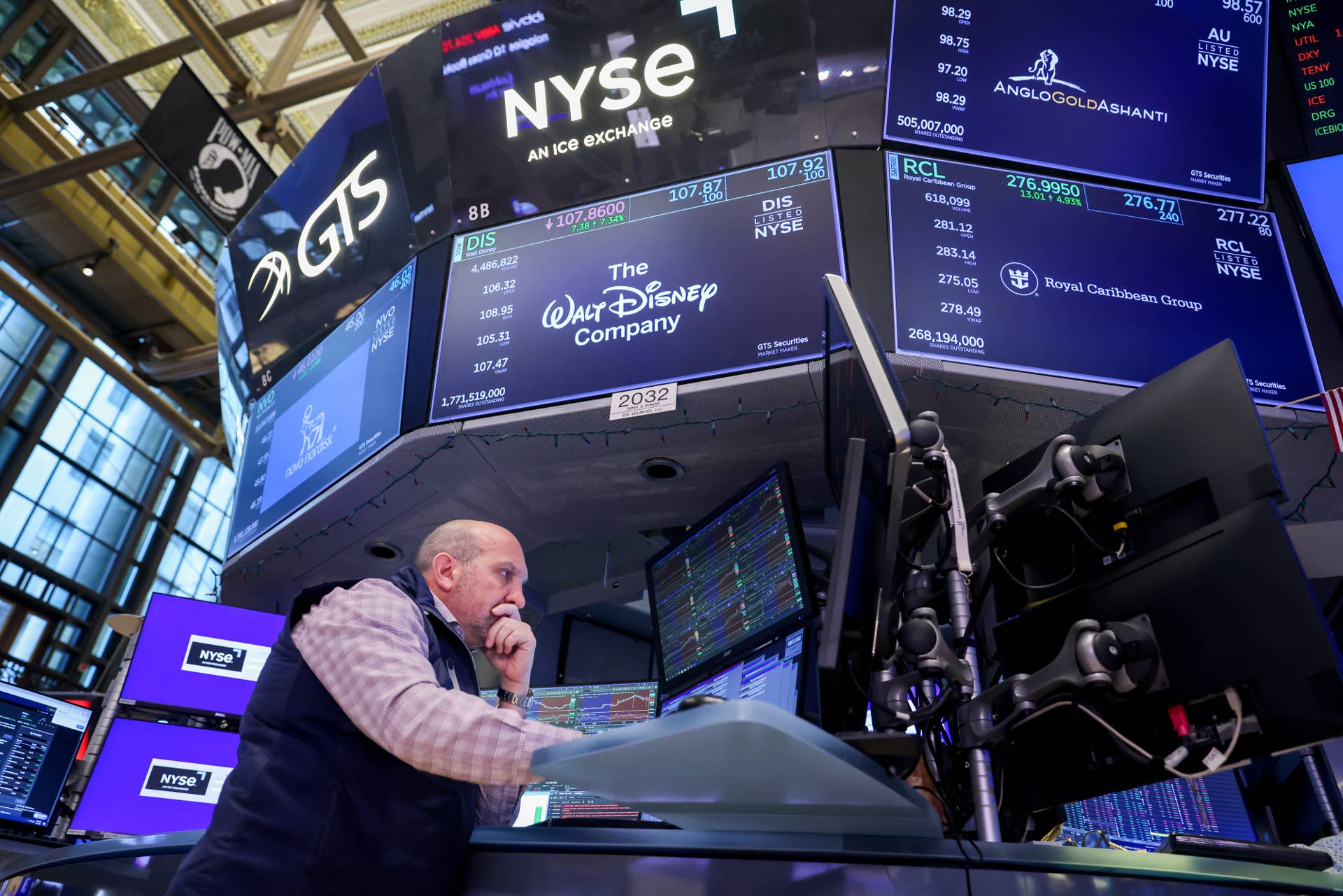 Bank of America kept its buy rating and $125 Disney target, citing price hikes.
Bank of America counts on price hikes to lift Disney shares
Bank of America Securities analyst Jessica Reif Ehrlich reiterated her buy rating and $125 price target on Disney in a Sept. 29 research note shared with TheStreet. That target sits about 18% above the $105.59 share price cited in the report.
Your higher bill sits at the center of that call. BofA lists “recent price increases across Disney+/Hulu/ESPN+” first among the reasons it expects Disney shares to outperform peers, ahead of streaming profitability, theme parks and ad demand.
More Streaming:
- Down 46%, is Netflix a buy now?
- YouTube TV just gave subscribers a reason to look elsewhere
- Paramount’s Warner merger has a new power play problem
That’s the investor math behind the rate hike. Price increases tend to carry fat margins, since Disney’s content costs don’t climb just because your monthly rate does.
Beyond pricing, Reif Ehrlich’s price target rests on four drivers, according to the note:
- Double-digit underlying growth in earnings per share
- A reacceleration in the theme parks
- Multiyear sports tailwinds at ESPN, including personalization, betting, and multiscreen viewing
- A new and reenergized senior management team under CEO Josh D’Amaro
She also flagged a softer movie picture, which puts more weight on streaming. Disappointing box office from the live-action “Moana” and “The Dog Stars” should weigh on Entertainment revenue near term, and a lighter fiscal 2027 slate plus higher content spending makes next year a tougher setup, BofA said.
The box office numbers back that up. “Moana” grossed about $308 million worldwide against a $250 million production budget, while “The Dog Stars” opened to just $8 million domestically, Variety reported.
Where the extra subscription money is going
So where does the extra subscription money end up? When I worked through BofA’s cash-flow table, one gap stood out.
BofA projects Disney will generate $10.1 billion in free cash flow in fiscal 2026, up less than one percent from last year. Over the same stretch, the firm models $9.1 billion in share buybacks and $2.65 billion in dividends.
That’s roughly $11.8 billion flowing back to shareholders against $10.1 billion of free cash. BofA’s model has net debt rising to $39.7 billion from $36.3 billion at the end of fiscal 2025.
Disney isn’t hiding the choice. “We believe our shares are undervalued,” D’Amaro and Johnston wrote in the August shareholder letter, which lifted the fiscal 2026 buyback target to at least $9 billion.
The debt load still looks manageable in BofA’s view. The firm pegs net debt at 1.8 times EBITDA (earnings before interest, taxes, depreciation, and amortization) for fiscal 2026, easing to 1.6 times by fiscal 2028.
In my analysis, the connection for everyday readers is direct. Your higher streaming bill, along with packed parks and new cruise ships, is helping bankroll a stock buyback that Disney’s own leaders call a bargain.
What the fiscal 2027 outlook means for shareholders
BofA expects adjusted earnings of $6.96 a share in fiscal 2026, up 17.4%, helped by an extra 53rd week in the fourth quarter. Growth cools to eight percent in fiscal 2027, to $7.52 a share, as Disney laps that week.
Disney itself has guided to double-digit adjusted EPS growth in fiscal 2027 when you strip out the extra week, according to its shareholder letter. BofA expects the year to be front-loaded, with New Year’s Eve timing helping the first quarter and Easter lifting the second.
Sports should get a lift from ESPN’s NFL Network acquisition, which closed Jan. 31, and from the Super Bowl broadcast. The second half gets harder as Disney laps its new cruise ships and one-time tariff refunds, the note said.
At $125, BofA values Disney at about 17 times its calendar 2027 earnings estimate. The firm calls that a slight discount to the broader market, which it views as fair for a sprawling conglomerate.
How to pay less for Disney+ and Hulu right now
If you pay for Disney+ and Hulu separately without ads, you now spend $42.98 a month. The ad-free bundle costs $21.99, which saves you about $252 a year for the same two services.
The ad-supported bundle costs $12.99 a month, MacRumors reported. That’s the plan Disney appears to be steering customers toward, and it’s the cheapest way to keep both libraries.
For investors, Disney looks like a patient-money story built on shrinking share counts, growing parks, and wider streaming margins. The risks BofA lists are real, though, including cord-cutting at ESPN, weaker consumer confidence, softer advertising, and more box office flops.
Disney is expected to report fiscal fourth-quarter results in November. BofA says the fiscal 2027 outlook will likely move the stock more than the quarter itself.
Either way, that next rate-increase email deserves a real read. Small monthly charges compound the same way investments do, and knowing which side of the trade you’re on keeps more of your money working for you.
Related: Disney+ delivers bad news to millions of subscribers
