
Netflix (NFLX) shares had a rough week, and Wall Street can’t agree on what will happen to the stock next.
The company’s earnings came in close to Wall Street expectations. However, investors sold the stock anyway.
Netflix Shares closed at $68.95 on Friday, July 17, down 7.26% on the day after Netflix gave a third-quarter sales forecast weaker than analysts expected.
Several analysts cut their price targets, but mostkept their ratings in place. Bank of America (BAC) did the same, and its note is worth paying attention to.
The bank lowered its target, but it also told clients the stock has fallen enough, and that matters if you’re already holding Netflix shares.
What Bank of America actually said about Netflix stock
BofA analyst Jessica Reif Ehrlich lowered her Netflix price target to $105 from $125 on July 17, but kept her Buy rating, according to TipRanks.
That target implies Netflix could rise about 52% from Friday’s close. Her point is simple: the stock has fallen faster than the business behind it.
More Streaming Stocks:
- Netflix stock shows recovery signs after bombshell takeover report
- Comcast’s NBCUniversal spinoff just transformed streaming wars
- Netflix joins Disney and YouTube in chasing World Cup
Ehrlich called Netflix a battleground stock heading into earnings.
She said the company is caught between worries about slowing engagement, slower revenue growth, and the possibility of a big acquisition.
The earnings results didn’t settle that debate either, Ehrlich noted.
Her main argument comes down to price. Netflix trades at less than 20 times earnings, which is a discount to the S&P 500.
This is despite being a platform with more than 300 million subscribers worldwide. She thinks that’s too cheap.
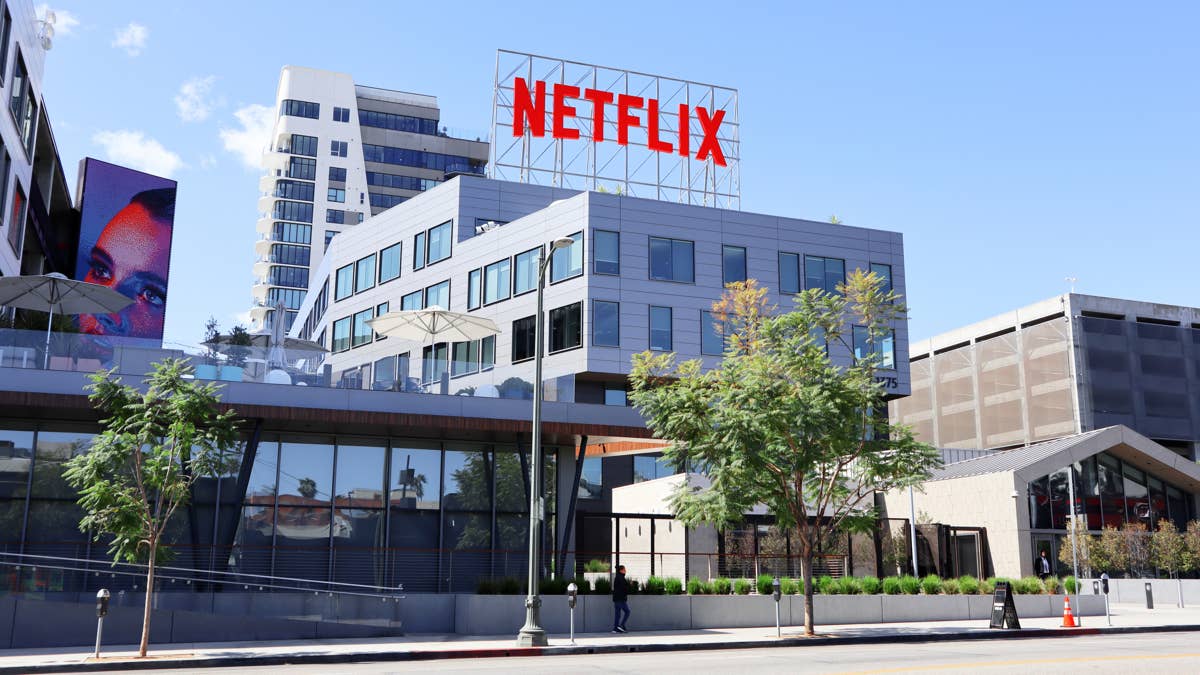 Netflix shares dropped after its Q3 revenue outlook came in light, leaving Wall Street divided on what comes next.
Walter Cicchetti / Getty Images
Why a quarter that beat still sent Netflix shares lower
Netflix earned $0.80 per share on $12.56 billion in revenue, up about 13% from a year earlier, CNBC reported.
Earnings also edged past the $0.79 analysts modeled, and revenue came in just slightly below expectations.
So why did the stock fall?
Investors care most about where growth is heading, and that outlook cooled.
The numbers that unsettled investors
- Third-quarter revenue is guided to about $12.86 billion, which is near a 12% growth and short of the roughly $13 billion Wall Street wanted.
- Full-year revenue guidance was narrowed to $51 billion to $51.4 billion, inside the old range rather than raised.
- U.S. and Canada revenue came in softer than expected, a region investors often watch for saturation.
One change drew extra heat. Netflix said it will report engagement once a year instead of twice, Variety reported.
That shift left some investors uneasy, since it’s a metric skeptics already question.
What the engagement debate means for Netflix’s growth
Engagement is simply how much time subscribers spend watching. It matters because viewing hours feed pricing power, ad sales, and how likely people are to keep paying.
According to Variety, Netflix members watched more than 97 billion hours of content in the first half of the year, and viewing hours grew 2% from a year earlier.
Related: Amazon dropped a finished Altman movie amid a $50B OpenAI deal
Co-CEO Greg Peters pushed back on the fear directly.
His point was simple: hours and revenue don’t move together, because not every hour of viewing is worth the same. Netflix can grow its profit even if the time spent per member slips.
However, bears see it differently. To them, slower subscriber engagement signals a maturing business that has to spend more just to hold attention.
How the Warner Bros. saga still shapes the Netflix stock story
Part of the pressure traces back to dealmaking.
Netflix chased Warner Bros. Discovery (WBD) late last year, then walked away in February and collected a $2.8 billion breakup fee, according to an SEC filing.
That incident left investors wary of a bigger swing. The worry is that Netflix reaches for a large, expensive studio deal that strains its finances.
Ehrlich sees the stock’s drop as a cushion, not a warning sign. Shares are already down sharply, so she believes most of that risk is priced in.
If Netflix makes a smart acquisition to strengthen its content library, it could actually help the stock from here.
The buyback signal underneath Netflix’s price target cut
While traders focused on guidance, Netflix quietly spent big on itself.
The company repurchased about $4.7 billion of stock in the quarter, its largest buyback ever, and still has roughly $27 billion in authorization left, Investing.com reported.
Buying back shares while the price falls lowers the share count and lifts per-share earnings over time. It also signals Netflix management thinks the stock is cheap.
That backs BofA’s read. When a company spends a record amount of cash on its own stock during a sell-off, it is voting on value with real money.
What Netflix investors should watch before adding to a position
A lower target with a Buy rating is not a green light. It is a view that the reward now outweighs the risk, and that view depends on a few things going right.
Three things that would confirm the bull case
- Advertising scaling toward a meaningful slice of revenue, with management guiding ad sales to roughly double to $3 billion this year.
- Steadier engagement, or clear proof that revenue keeps climbing even as viewing hours flatten.
- Discipline on any future deal, so growth by acquisition does not come at the cost of margins.
If those hold, the case for a rebound strengthens.
If engagement keeps slipping or a costly deal appears, the discount could linger longer than bulls expect.
For now, Wall Street stays divided. Targets across analyst desks run from the $80s to well above $100, CNBC reported, a spread that captures how uncertain the next leg is.
The practical takeaway is to treat BofA’s call as a single analyst’s view, size any position to your own risk level, and let the next quarter show whether growth worries fade or intensify.
This is an analysis, not a recommendation to buy or sell.
Related: Netflix’s move to buy Letterboxd sends a key signal to investors