
If you care about markets, you need to care about one narrow stretch of water you will probably never see in person. I’m talking about the Strait of Hormuz, the thin blue line on a map that decides what you pay for gas, how your stocks trade, and how close the world sits to a real energy crisis.
That is why a single sentence from Treasury Secretary Scott Bessent stopped me cold.
“Over time, the U.S. is going to retake control of the straits, and there will be freedom of navigation, whether it is through U.S. escorts or a multinational escort,” he said in a Fox News interview recapped by both Bloomberg and Fortune, laying out the clearest plan yet for how Washington intends to end the Hormuz shock.
The core of that message was blasted to millions in a Watcher.Guru X post that read, “JUST IN: Treasury Secretary Bessent says the US will take control of the Strait of Hormuz. ‘There will be freedom of navigation,’” giving you the headline version traders immediately reacted to.
If you’ve been wondering when this war story finally connects to your portfolio, this is that moment.
What Bessent actually said about the Strait of Hormuz
I always go back to the primary language before I decide how stunned to be.
Here, Bessent’s words are not subtle.
In the interview, Bessent said the administration expects “over time” to retake control of the Strait of Hormuz and guarantee safe passage, and he explicitly tied that to U.S. Navy escorts or a multinational escort force.
Related: Longtime oil analyst sends dire oil price message
He added that the global oil market is currently “in deficit about 10 to 12 million barrels a day” but argued that coordinated releases from strategic reserves, along with unsanctioned Russian and Iranian barrels already on the water, are closing that gap.
Watcher.Guru compressed that into one punchy update that your timeline probably saw before any of those longer pieces.
The account told its audience that Bessent says the U.S. “will take control of the Strait of Hormuz” and repeated the promise of “freedom of navigation,” giving the crypto and retail crowd a screenshot of policy that normally stays inside paywalled terminals.
When you put those pieces together, you get something that does not sound like cautious technocratic talk. It sounds like a treasury chief saying, out loud, that America plans to decide who moves oil through the most contested waterway on the planet.
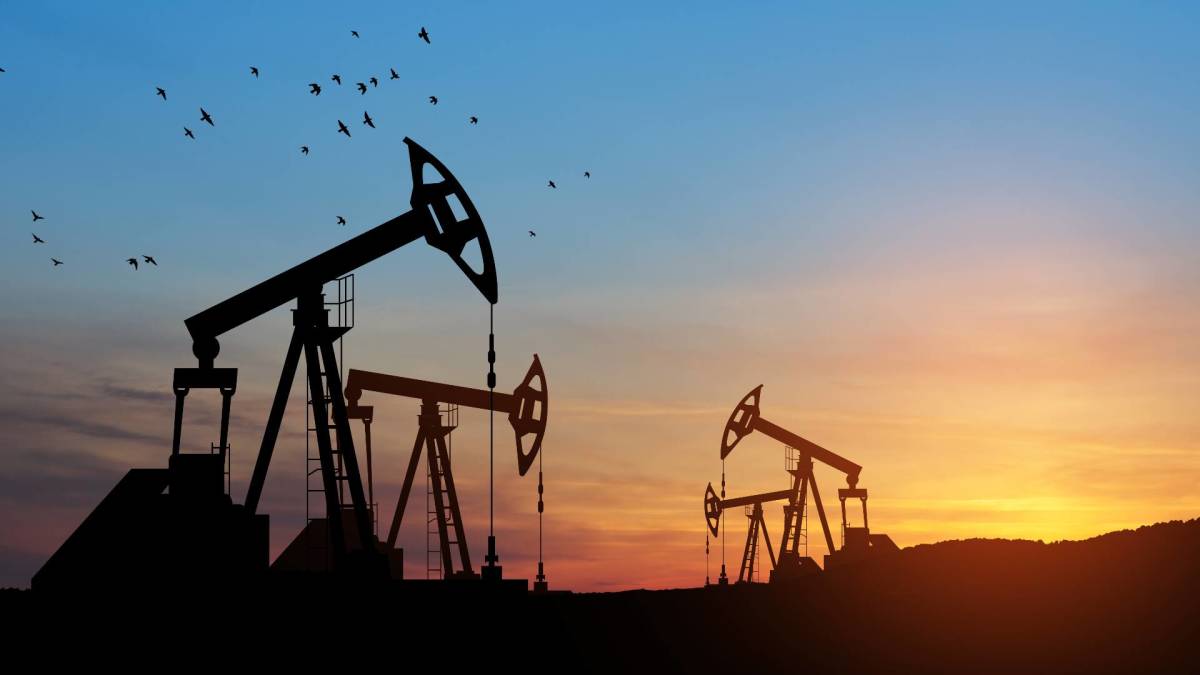 Treasury makes a stunning claim about the Strait of Hormuz.
Why U.S. talk about the Strait hits your wallet as much as your nerves
The Strait of Hormuz is the narrow channel that connects the Persian Gulf to the wider world. Roughly 20% of global oil supply has historically moved through it, which is why every tanker strike or mine rumor shows up instantly in energy prices.
When Iran began closing the Strait and targeting ships, Brent crude spiked above $100 a barrel, and U.S. oil futures approached the mid‑90s.
You felt that in your life, even if you weren’t tracking war maps on social media.
- Gas prices jumped.
- Shipping costs rose.
- Energy stocks ripped higher on scarcity.
- Rate‑sensitive names wobbled as inflation fears re‑ignited.
Bessent is now telling you the administration’s answer is not just to bleed reserves and hope. He is saying the U.S. intends to “retake” control, backstop navigation with armed escorts, and keep more ships moving until a broader peace catches up.
For markets, that is a very big deal.
His comments sent a clear signal that the White House is moving from reactive measures to a proactive plan to reopen Hormuz, which could ease the war premium in crude and calm volatility across risk assets, Fortune reported.
More Oil and Gas:
- The world’s biggest gas field matters just as much as oil right now
- Goldman Sachs reveals top oil stocks to buy for 2026
- U.S. economy will show resilience, despite rising oil prices
Bessent sees the oil market as “stable” with increased marine traffic through the Strait and has reassured investors that the U.S. intends to ensure freedom of navigation with U.S. or multinational escorts, explicitly connecting policy to market stability, wrote Devdiscourse.
If you’ve been sitting in cash because “this Iran war feels like too much risk,” this is the kind of structural shift that can quietly change the game under your feet.
What this means if you are trying to invest through the Iran war chaos
If you are a long‑term investor, your first instinct may be to treat this as noise. I don’t think that is wise here.
There are at least three practical angles you need to think about.
1. Energy prices and inflation
Oil has already swung wildly on every rumor about Hormuz. A credible plan to normalize traffic can cap the upside in crude and ease pressure on inflation data. That connection was highlighted in both market and policy coverage.
2. Risk assets and “war premium”
Stocks sold off as traders priced in worst‑case scenarios around Hormuz and war escalation. When President Donald Trump postponed strikes and started talking about “productive” Iran talks, the Dow jumped more than 600 points, and global indexes bounced as the war premium shrank.
3. Tail risk and geopolitics
An explicit U.S. bid to control Hormuz might deter some Iranian escalation, but it can also create new flashpoints. Analysts told regional outlets they worry prolonged tension could still “affect energy supplies and increase volatility in global financial markets,” even with more escorts in place.
In my own portfolio, this is the kind of moment where I force myself to separate emotion from positioning.
If oil has already moved up on fear and starts to ease on credible de‑escalation, I don’t want to be the last one clinging to a trade that was priced for catastrophe. On the flip side, I don’t want to assume a single Treasury interview has magically removed all geopolitical risk from the most important shipping lane in the world.
The move that often makes sense in this kind of environment looks boring on paper.
- Trim positions that only work if the war gets dramatically worse.
- Gradually add to quality names and diversified funds that benefit from lower energy volatility and a more predictable macro backdrop.
- Keep some dry powder so you are not forced to sell into any new shock if the path to “retaking” Hormuz turns out to be messy.
That is not as exciting as betting everything on one headline. It is a way to let Bessent’s words work for you without assuming the story is over.
Why Bessent’s “we will retake control” line matters more than one viral post
It would be easy to dismiss the Watcher.Guru clip as just another splashy crypto‑Twitter graphic. I don’t.
When you zoom out, Bessent’s bold promise sits on top of:
- Weeks of tanker attacks, missile launches, and oil spikes that reminded everyone how fragile global energy flows really are
- A U.S. president who has publicly threatened to obliterate Iran’s electric grid and oil infrastructure if the Strait does not reopen quickly
- A global effort, from the IEA’s record reserve release to quiet diplomatic talks, to keep the war from turning into a multi‑year oil and shipping crisis
When Bessent promises “freedom of navigation,” he is not just moving markets. He is telling you what kind of world the administration is trying to drag the next few years toward: one where the U.S. and its allies are willing to enforce open sea lanes with hard power, rather than just insurance and statements.
As an investor, that should change how you think about geopolitical risk.
It’s not because risk disappears, but because you now have a clearer sense of how far policymakers are prepared to go to keep the oil and the tankers moving.