
Procter & Gamble (PG) , which owns popular brands such as Bounty, Tide, Dawn, Pampers, and more, recently saw a low increase in sales as consumers nationwide tighten their spending due to economic concerns.
In P&G’s fourth-quarter fiscal year 2025 earnings report, it revealed that its net sales increased by 2% year-over-year, citing organic sales growth in categories such as beauty, health care, home care, and more.
💵💰Don’t miss the move: Subscribe to TheStreet’s free daily newsletter 💰💵
During an earnings call on July 29, P&G CEO Jon Moeller said that the company is seeing “heightened consumer anxiety” associated with “tariffs, inflation, interest rates, political and social divisiveness,” and also “immigration and employment status uncertainty,” which have all resulted in weak sales growth.
Related: Target has another big problem amid alarming customer behavior
P&G Chief Financial Officer Andre Schulten said during the call that these concerns have caused consumers to be “a bit more careful” about their consumption, and seek more value and promotions as they stock up on pantry items.
“What we are observing is that the consumer on both ends of the spectrum, the lower-income consumer and the higher-income consumer, they are reacting to the current volatility they are seeing and they are observing,” said Schulten. “And we see consumption trends consistently decelerating, not significantly, but we see a deceleration in the U. S.”
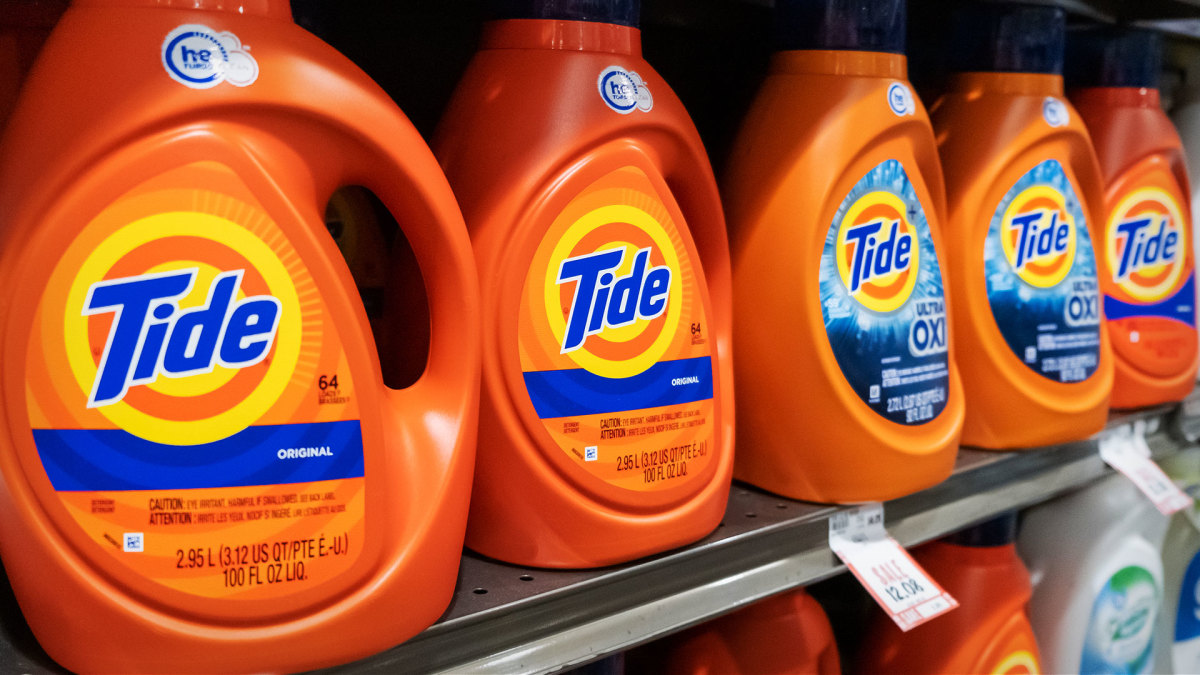 Bottles of Tide displayed on a grocery store shelf.
Shutterstock
P&G makes a harsh move, impacting customers
As consumers grow more cautious about their spending, P&G has bad news for shoppers.
In response to President Donald Trump’s tariffs (taxes companies pay to import goods from overseas), the company will raise its prices on roughly 25% of its products as it expects to lose $1 billion due to tariffs. The price increases will start to go into effect in August.
In April, Trump announced reciprocal tariffs, which involve roughly 60 countries facing higher tariff rates. These new rates went into effect on Aug. 1, making importing goods more expensive for companies nationwide.
Schulten said the price hikes will cover the tariff impact that the company can’t offset with productivity changes.
The move from P&G comes after Schulten first warned investors during an earnings call in April that tariffs might push the company to enforce “incremental pricing.”
Related: Dollar General announces big store change to win back customers
He also said that the company has “formulation flexibility,” which means that it can adjust the ingredients in its products if tariffs make them too expensive to obtain or unavailable.
Raising prices may risk driving customers away, especially after many recently flagged that P&G has shrunk the sizes of some of its products without lowering prices, a phenomenon called shrinkflation.
According to a recent survey from market research company Numerator, 87% of consumers are worried about tariffs impacting their finances.
Also, 80% of consumers are adjusting their finances or shopping habits in response to tariffs, including delaying nonessential or expensive purchases, buying fewer imported goods, searching for sales and coupons, and switching to shopping at lower-priced retailers and discount stores.
P&G announces unexpected change to cut costs
In addition to raising prices to cover the potential impact of tariffs, P&G is also cutting costs by laying off employees.
During the recent earnings call, Moeller said that the company is making headcount changes to create a more “agile, empowered and accountable organization design.” This includes making roles broader and teams smaller, “leveraging digitization and automation.”
More Retail:
- Target has another big problem amid alarming customer behavior
- Dollar General announces big store change to win back customers
- Amazon pulls the plug on a free service for customers
“Across these three areas: portfolio, supply chain, organization, we expect to reduce up to 7,000 nonmanufacturing roles or roughly 15% of our current nonmanufacturing workforce over the next two years,” said Moeller. “These steps have been an evaluation by the leadership team for some time. We’ve been thinking through some of these organization design changes and shortly after our last restructure change six years ago.”
Moeller hopes that these changes will “empower decision making, increasing individual contribution and development, and improving the employee value proposition.”
Related: Sam’s Club makes big change to products as customers switch gears