
Box office or streaming? The tug-of-war has flipped more than a few times recently.
When Covid shut down theaters across the globe, streaming platforms ruled, with some predicting the big screen’s permanent demise.
💵💰Don’t miss the move: Subscribe to TheStreet’s free daily newsletter💰💵
The 2025 box-office run is rewriting that script fast.
However, one familiar dino flick might just be the box-office twist that sparks the comeback every cinephile has been itching for.
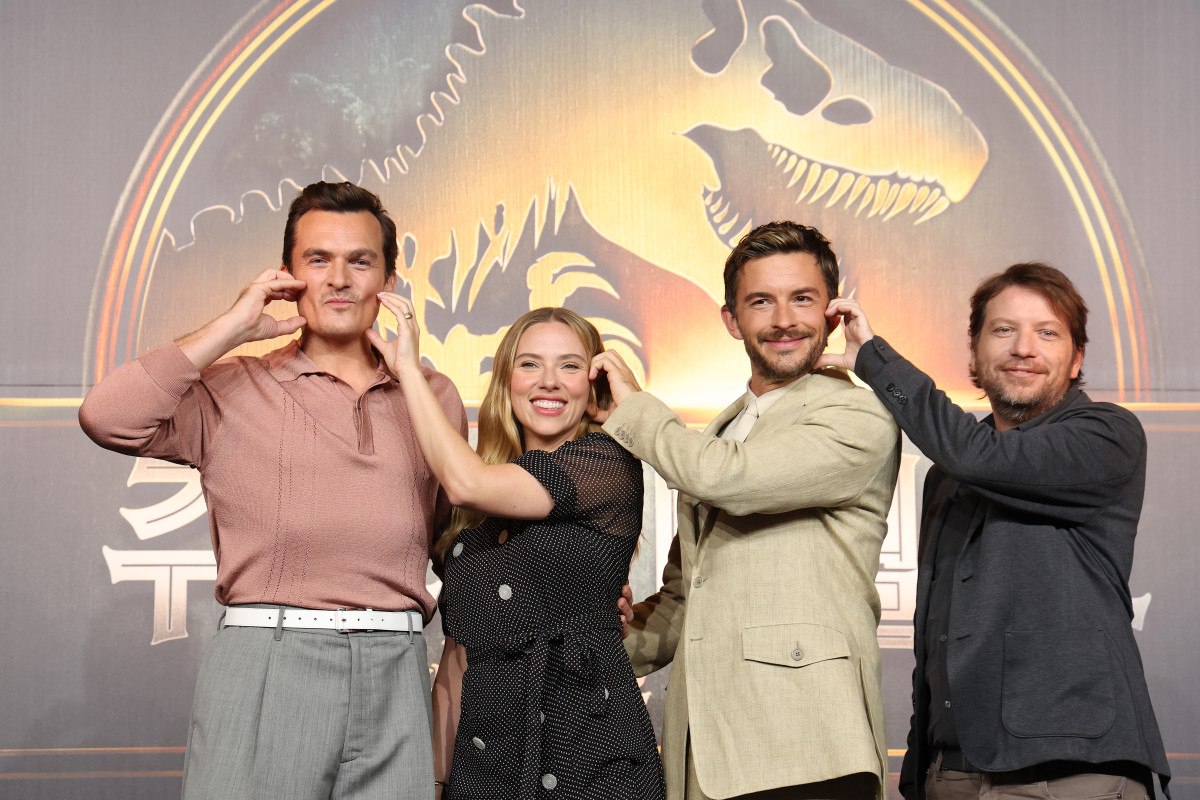 The comeback of “Jurassic World Rebirth” has fueled the box office/streaming debate all over again.
Image source: Chung Sung-Jun/Getty Images
Streaming’s pandemic boom meets a box-office comeback
When Covid shut down movie theaters, streaming platforms essentially became everyone’s stay-at-home lifeline.
For context, streaming giant Netflix (NFLX) alone clocked its biggest growth spurt in the fourth quarter of last year, adding a record 19 million paid subscribers. That took its tally to a mind-boggling 302 million members by year-end, a 48.3% jump from the end of 2020.
Disney+ (DIS) rode the same wave, growing its subscriber base to 9 million in Q4 to hit 158.6 million global subscribers.
Related: Amid AI boom, veteran analyst reboots AMD, Supermicro stock price targets
Amazon Prime Video (AMZN) , helped by hits like “Fallout,” also boasts over 117 million viewers. Meanwhile, relatively smaller streaming plays like Paramount+ (PARAA) and HBO Max, and newcomers like Apple TV+, each cleared the 40 million mark.
Collectively, OTT subscriptions worldwide smashed past 1.5 billion, with studios pouring billions into fresh content.
Nevertheless, the days of easy subscriber gains are over.
Facing relatively slower growth, platforms are looking to squeeze more out of every viewer. Netflix’s all-in on its ad-supported tier. Similarly, Disney’s Bob Iger is doubling down on AVOD (ad-supported video on demand), and Amazon’s Prime Video dropped ads on its standard plan, too.
On the flip side, the box office is clawing back lost ground. After cratering over 80% at the pandemic’s peak, North American theaters could potentially deliver north of $4 billion in summer ticket sales.
That’s a level last hit in 2019.
More Stock Market News:
- Google’s quiet AI win spells trouble for Amazon
- Top analyst revamps Nvidia price target for one surprising reason
- Veteran Tesla analyst drops 4-word call
Meanwhile, films like “A Minecraft Movie” have quietly topped $954 million globally, with Disney’s “Lilo & Stitch” remake chasing close behind at $946 million.
Horror has rebounded, too, surging to a 17% share of North American ticket sales from just 4% a decade ago.
Hence, the big-screen comeback is alive, but the fight for living-room loyalty is still well and truly on.
Box office streaming war heats up after Jurassic World
Comcast’s “Jurassic World Rebirth” has essentially stomped its way to become one of 2025’s biggest box-office wins so far.
Over the July 4 weekend, the film grabbed a head-turning $91.5 million and $147.3 million in its first five days, pushing its global haul past the $318 million mark across 82 markets.
After years of streaming chipping away at the box office, the July 4 weekend gave theaters a fresh boost.
Related: Nvidia-backed stock sends a quiet shockwave through the AI world
Universal’s dinosaur juggernaut is sitting at the top of the heap across major markets, blowing past Apple’s “F1: The Movie” and DreamWorks’ latest “How to Train Your Dragon” sequel.
That includes places like China with $41.5 million, along with the UK, Mexico, Germany, and South Korea.
For Comcast (CMCSA) , the win is massive.
It signals that audiences are still hungry for tentpole spectacles, even as platforms like Netflix and Disney+ hunt for subscriber growth in a post-pandemic slowdown.
Nevertheless, the box office streaming wars have evolved into a delicate dance.
With “Superman” up next and streaming giants pushing ahead, the future depends on striking the correct balance and keeping audiences hooked, whether at the multiplex or at home.
Related: Flying car stock gets bold Wall Street call, rewrites urban mobility