
A proposed $425 million settlement involving Capital One is drawing renewed attention after a federal judge approved a revised version that shifts more value toward depositors. Class-action agreements often pass with little scrutiny, leaving customers uncertain about whether outcomes truly reflect their losses.
Last November, the court rejected the initial proposal, calling it neither reasonable nor adequate, and sent both sides back to renegotiate terms. After months of revisions, the updated agreement has now been approved. The changes between the two versions are significant enough that eligible customers could begin seeing payments as early as this summer.
Why the judge rejected the first Capital One deal
U.S. District Judge David Novak refused to sign Capital One’s original $425 million settlement last November, according to U.S. News & World Report. Novak wrote that the proposed payout would compensate account holders for less than 10% of the interest they actually lost.
He also criticized Capital One for continuing to pay the lower rate and failing to tell depositors they could simply switch and earn more. Attorneys general from 18 states had filed formal objections to that first agreement, and New York Attorney General Letitia James brought a parallel lawsuit.
What the revised Capital One settlement delivers
The new agreement keeps the $425 million headline figure but routes every dollar of it into customer payouts rather than a split with rate increases. Capital One must also raise the rate on legacy 360 Savings accounts to match the 360 Performance Savings rate for at least two full years.
Combined cash relief and higher forward interest push the total package above $1.2 billion, a figure the original deal never came close to matching. Novak approved the revised agreement on April 20 in the Eastern District of Virginia, clearing the way for payments beginning around July 21.
The first proposed deal had split the fund unevenly, sending $300 million to customers and reserving just $125 million to boost future interest payments. That original framework left legacy customers largely responsible for switching accounts themselves to earn the higher rate, a setup Novak flagged as deeply problematic.
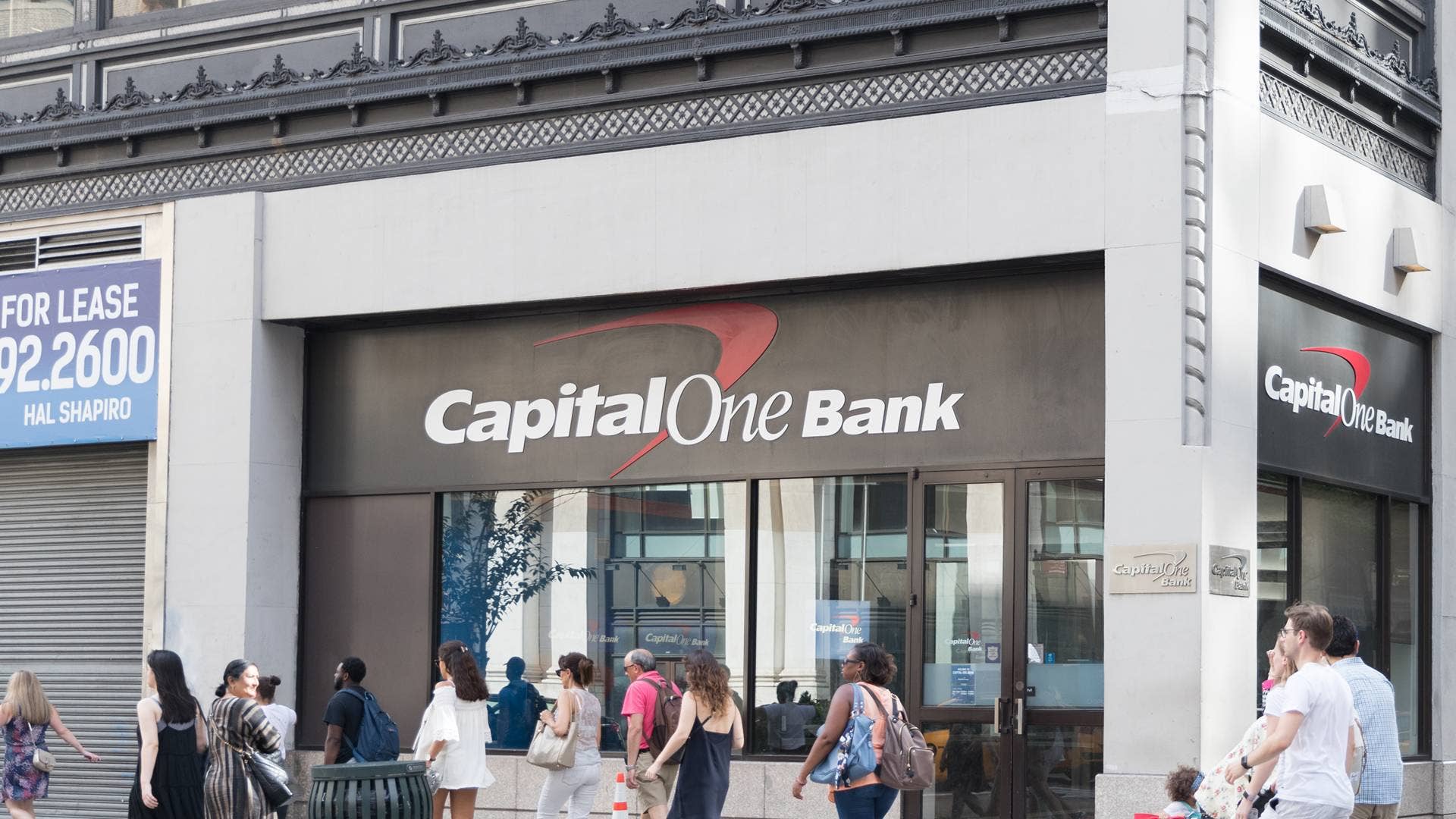 The revised Capital One settlement directs $425M to customers, mandates higher savings rates, and lifts total relief past $1.2B with payouts starting July 21.
Who qualifies for a Capital One 360 Savings payout
Eligibility rests on one simple question: Did you ever hold a Capital One 360 Savings account at any point during the six-year class period? The class window runs from September 18, 2019, through June 16, 2025, and every single day you hold the legacy account, your check size increases.
Current holders, former holders, and joint or co-account owners all fall squarely within the class, while 360 Performance Savings-only customers are fully excluded. No claim form is required from you, since the settlement administrator already holds the bank records and will automatically mail checks to the primary accountholder.
How much money can you expect to receive
Your individual check reflects the interest gap between what your 360 Savings account earned and what the 360 Performance Savings rate would have paid instead.
“When you have a lot of serious government lawyers and government agencies all lining up against the settlement, it’s going to draw more scrutiny than it would if you had a handful of dissident class members objecting to the settlement,” said Ira M. Steinberg, Partner at Greenberg Glusker who specializes in commercial and business litigation.
More time in the legacy account and larger balances yield higher payouts, while attorney fees and admin costs are paid from the fund first. Plaintiffs’ counsel received roughly $32 million in fees plus about $1.81 million in expenses, a figure Novak trimmed back from the original lawyer’s request.
What legal experts say the ruling signals
Courts once approved class settlements almost as a formality, but rejections have become more common recently, Case Western Reserve business law professor Eric Chaffee said. Novak’s decision fits a growing trend of judges taking a harder look at deals they view as unfair to class members, Chaffee said.
Steinberg, a partner at Greenberg Glusker, said the heavy involvement of the Attorney General made this case a high-profile outlier that courts cannot easily rubber-stamp anymore.
Both experts framed the outcome as a signal to banks that quiet product refreshes no longer pass a fairness test when judges actually look closely. Chaffee argued that dissident objectors rarely shift a settlement outcome, but coordinated pressure from state attorneys general flipped the math on this particular case.
What Capital One 360 Savings customers should expect next
Payments will be sent automatically to your last known address as a paper check, unless you previously opted into an electronic method before March 30.
Your payout lands automatically only if the calculated amount exceeds $5, a threshold Novak kept intact from the settlement administrator’s original distribution framework. Current 360 Savings holders will also see the new, higher rate applied to their accounts once the settlement takes effect across the entire customer base.
More Personal Finance:
- Fidelity has a warning for anyone who left a 401(k) at an old job
- Living trusts: what they do and who needs one
- Fidelity sounds alarm on 401(k)s, IRAs
That forward-looking rate equalization was the piece Novak insisted on, since the original deal had left legacy customers stuck in lower-yielding accounts by default. For many depositors, the ongoing rate increase will matter more than the one-time check, especially for anyone still keeping substantial cash in the legacy account.
The two-year rate parity requirement gives current accountholders a protected window to earn market-level interest without having to manually switch products or move money elsewhere. After that window closes, Capital One regains discretion to set rates independently on each product, so customers should plan to review their accounts around mid-2028.
What Capital One depositors should focus on
The court’s rejection last November ultimately reshaped the trajectory of this case, turning what had been a weaker proposal into a revised agreement that reflects closer scrutiny of settlement structures.
For depositors, the key takeaway is less about the legal back-and-forth and more about staying attentive to what follows. If you held a 360 Savings account during the class period, it may be worth keeping an eye on official communications in the coming months, particularly as distribution timelines move forward.
Confirming that your contact details with Capital One are up to date can help prevent missed notices or delays. Beyond this case, the outcome highlights how changes between initial and final agreements can materially affect what participants ultimately receive, even when the underlying claims remain the same.
Related: Capital One just gave these 2 business credit cards a makeover