
When my first child was born, I was extremely careful about his diet. He only ate home-prepared meals, and all the parents in the neighborhood looked at me like I was crazy when I wouldn’t let him eat soft biscuits or drink juices.
I might have been a little bit crazy, but fast-forward eight years, and my son still only drinks water, fresh-squeezed lemonade without sugar, and unsweetened tea when sick. I consider this very good.
💵💰Don’t miss the move: Subscribe to TheStreet’s free daily newsletter 💰💵
Nowadays, his diet is far from perfect, but whose is in these times of omnipresent artificiality? However, I believe his nourishment as a toddler definitely formed some good habits and taste preferences.
When they are still little, it’s easier to control their diets, and it can help pave the way for healthier eating habits in the future. It’s not magic, and won’t ensure a completely clean diet, but it can make a difference.
No matter how small the difference, with today’s unhealthy eating crisis, it will matter.
That’s why I was shocked to hear that children in the U.S. ages 1-5 years consume 56.1% of their calories from ultra-processed food, according to a new report from the Centers for Disease Control and Prevention.
What are ultra-processed foods?
 A CDC report reveals how often Americans consume ultra-processed foods, what type, and more.
Image source: Jaap Arriens/NurPhoto via Getty Images
The complexity of ultra-processed foods
The truth is, with the development of technology and too much greed in this world, we have overcomplicated and destroyed some of the most basic, yet essential, things, like food.
The issue is, there’s no one official definition of an “ultra-processed food.” In fact, the Food and Drug Administration (FDA) just launched a major initiative to define what counts as one.
The agency issued a formal Request for Information to help develop a national definition in an effort to better regulate and potentially warn consumers about what they are eating.
Related: US government wants to make healthier eggs illegal
According to Harvard Health Publishing, three types of foods are:
- Unprocessed (or minimally processed) foods: whole foods with intact vitamins, minerals, and other nutrients. These foods can be altered by crushing, roasting, freezing, boiling, or pasteurizing them.
Examples: Apples, carrots, raw unsalted nuts.
- Processed foods: foods altered by adding salt, oil, sugar, or other ingredients.
Examples: Canned fish, canned vegetables, fruits in syrup, and freshly made bread.
- Ultra-processed foods: Foods that contain many ingredients including sugar, salt, fat, artificial colors, and preservatives. They often contain substances extracted from other foods like starches, hydrogenated fats, and additives such as artificial flavors and stabilizers.
Examples: Frozen meals, hot dogs, burgers, fast food, packaged cookies, cakes, ice-cream, salty snacks, and soft drinks.
Food regulation and labeling is extremely important. A lot of people eat so-called “protein bars” believing they are healthy, when in fact many of them contain a lot of sugar, not that much protein, and many other artificial ingredients.
Branding is everything.
CDC reports depressing results, ultra-processed foods’ impact on our health
U.S. Department of Health and Human Services Secretary Robert F. Kennedy Jr. recently launched the “Make America Healthy Again” initiative to reform America’s food, health, and scientific systems.
The movement argues that ultra-processed food consumption is one of the key causes of multiple chronic health conditions nationwide.
According to the HHS:
- 6 in 10 Americans have at least one chronic disease
- 25% of American children suffer from allergies
- 130+ million Americans are diabetic or prediabetic
Related: Pepsi copies Coca-Cola to win back health-conscious consumers
The CDC report revealed how much Americans depend on ultra-processed foods, by assessing consumption during August 2021-August 2023.
Overall, the report confirms that ultra-processed foods make up more than half of Americans’ diets:
- 55% of total calories come from ultra-processed food (in those aged 1 and older);
- Adults with higher incomes eat fewer ultra-processed foods.
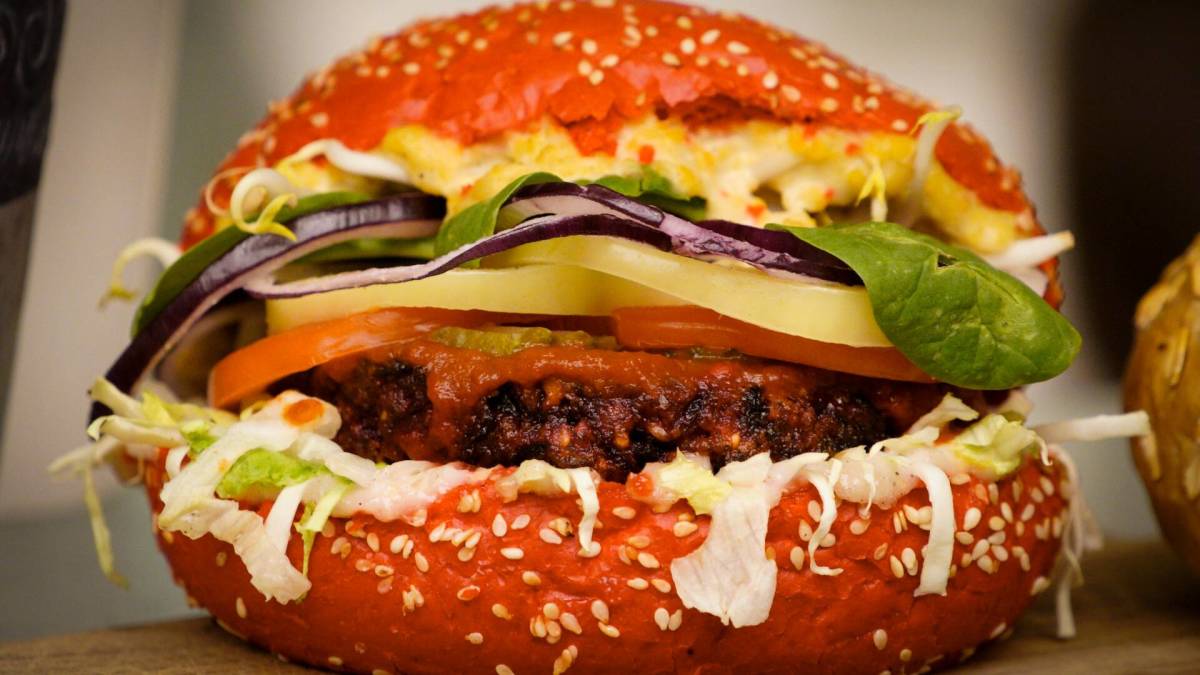
- The four top sources of calories from ultra-processed foods are sandwiches (including burgers), sweet bakery products, savory snacks, and sweetened beverages.
In addition, youth ages 1–18 years consumed a higher percentage of calories from ultra-processed foods (61.9%) than adults aged 19 and older (53.0%).
How does ultra-processed food impact our overall health?
According to a review of 45 studies and 10 million participants, published in the British Medical Journal last year, eating more ultra-processed food is related to:
- 32 health conditions, including: heart disease, mental health disorders, type 2 diabetes, and more.
- A higher risk of dying from any cause.
Many studies have also shown that eating less ultra-processed foods can help you lose extra weight, and we all know by now that obesity in itself is related to other health conditions.
More consumer tips:
- Flyers don’t know they can refuse this controversial practice
- Delta Air Lines faces pushback over new pricing policies
- Popular energy drink pulled from shelves for containing vodka
For example, people in Italy and France who traditionally consume a more Mediterranean diet and the least ultra-processed foods also have a lower prevalence of obesity.
I have been to France several times, and it is a wonderful country. The majority of people are beautiful, lean, and overall look really healthy. However, my family also noticed that people are very active; nearly every other person is riding a bicycle.
I am not talking about taking a bike around the corner to get a few groceries, but climbing mountains on it. After all, it is the country of the Tour de France.
All this suggests that one healthy habit leads to another. If you start taking care of what you eat, you might just get the will to exercise, and sleep better. Or the other way around.
We shouldn’t wait for the FDA to regulate it; we can regulate ourselves.