
Oil is up more than 50% since the Iran war began. The Strait of Hormuz is running at less than 10% of normal vessel traffic. And the world’s largest energy companies are being asked to make billion-dollar decisions in an environment that has rarely been harder to read.
On May 29, the CEO of one of those companies sat down with Bloomberg and said what most of them are thinking.
Chevron CEO highlights unpredictable environment for oil prices
Chevron CEO Mike Wirth appeared on Bloomberg Surveillance on May 29 to address oil market conditions, the Strait of Hormuz disruption, and global energy investment, according to Bloomberg.
Wirth struck a note of caution on the economic outlook. The Iran conflict has created a supply shock that is feeding directly into energy prices and, through them, into inflation and consumer spending.
“The unpredictable external environment reinforces the importance of disciplined investment to ensure reliable energy supply and global energy security,” Wirth said in Chevron’s most recent earnings statement, a view he reinforced to Bloomberg.
More Oil and Gas:
- Early Chevron stock investors now earn 12.1% dividend yield
- Chevron, Shell ink more surprising Venezuela deals
- AAA gas prices reveal a new trend for Americans
For Chevron, disciplined investment means being selective.
The company delivered solid Q1 2026 performance despite elevated geopolitical volatility, posting record crude throughput at its U.S. refineries in March and keeping capital spending within guidance, according to Chevron’s SEC filing.
Why oil investment is becoming harder to justify, yet more necessary
The paradox at the center of the oil market right now is that prices are high enough to justify new investment, but the operating environment is uncertain enough to discourage it.
Energy companies spent much of the past decade being criticized by shareholders for overinvesting in production at the expense of returns. That era produced a generation of executives who are structurally cautious about committing capital to long-cycle projects.
The Iran war has not changed that instinct; it has deepened it. Companies evaluating new production investments today face not just the usual questions about geology and economics but also the possibility that a Hormuz resolution could push oil prices sharply lower before those projects generate their first barrel, according to Bloomberg.
Wirth’s message is that the industry will invest, but only where the economics actually work. High oil prices alone are not enough. Long-term stability, predictable fiscal terms, and a credible return on capital are the conditions that move money from balance sheets into the ground.
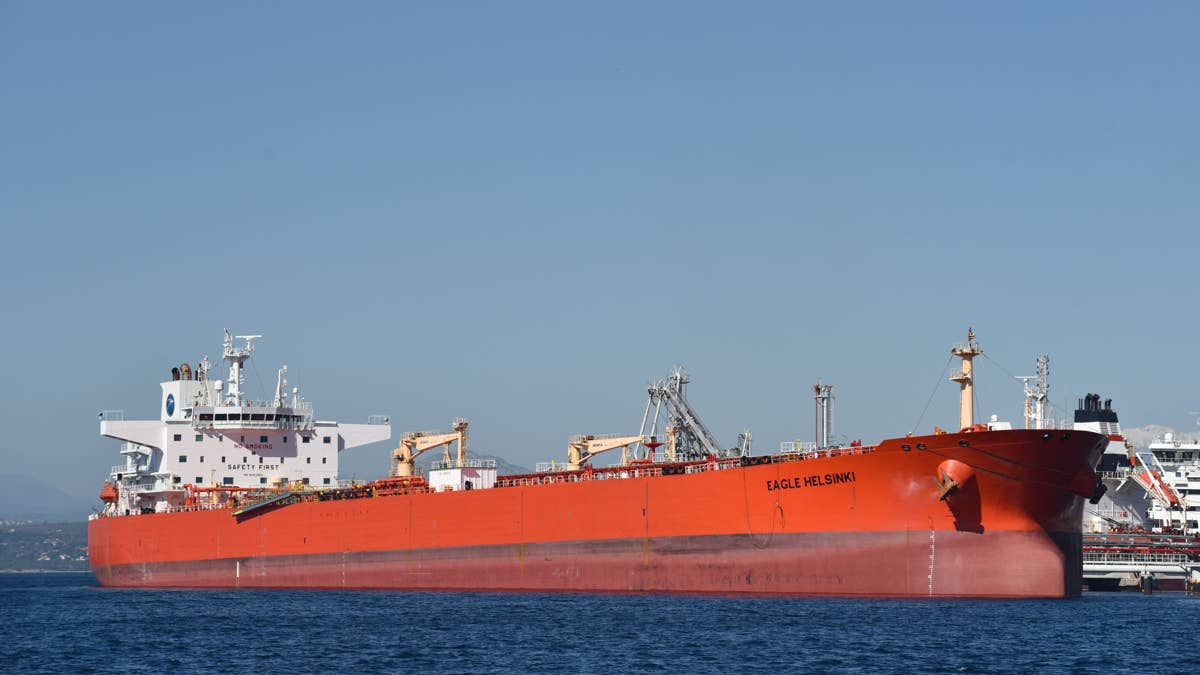 The Iran conflict has created a supply shock that is feeding directly into energy prices.
Koutsokostas/Getty Images
Venezuela offers clear test case for Wirth’s oil investment argument
No single country illustrates Wirth’s investment thesis more sharply than Venezuela. The country holds roughly 300 billion barrels of proven oil reserves, among the largest in the world.
Yet it produces only approximately 800,000 barrels per day, a fraction of the 3 million-plus at its peak. The gap between what is in the ground and what is coming out is almost entirely a function of the investment climate.
Wirth was direct with Bloomberg about what needs to change. “We need a new set of fiscal terms under which we would invest in the country,” he said. “Right now the amount of tax and royalty that’s paid doesn’t leave enough for an investor to get a return on their investment.”
Chevron is the only major U.S. oil company still operating there. ExxonMobil had its assets seized twice and walked away. Shell and BP had their licenses revoked.
Exxon CEO Darren Woods told President Donald Trump in January 2026 that Venezuela is “uninvestable” under its current system.
Wirth’s language is more measured, but the message is the same: Reserves alone do not attract capital, according to CNBC.
Key figures from Mike Wirth’s May 29 Bloomberg Surveillance interview:
- Venezuela demand: “We need a new set of fiscal terms under which we would invest in the country. Right now, the amount of tax and royalty that’s paid doesn’t leave enough for an investor to get a return on their investment,” Wirth told Bloomberg.
- Venezuela potential: Wirth previously said Chevron could ramp up Venezuelan production by 50% within 18 to 24 months under better fiscal conditions; current output is approximately 800,000 barrels per day versus 3 million-plus at peak, CNBC reported.
- Chevron Q1 2026: Record crude throughput at U.S. refineries in March; capital spending within guidance; structural cost reductions on track despite Hormuz disruption, according to Chevron SEC filing.
- Political context: Former Venezuelan President Maduro captured by U.S. raid on Jan. 3, 2026; Trump administration pressing oil companies to invest $100 billion to rebuild Venezuela’s energy sector, CNBC indicated.
- Chevron’s unique position: Only major U.S. oil company still operating in Venezuela; joint ventures with state firm PDVSA; spent nearly $4 million lobbying to preserve Venezuelan foothold in H1 2026, Grist noted.
- Chevron accounting: Venezuela recorded as non-equity investment since 2020; income only recognized when cash received; production and reserves excluded from company results, according to Chevron 10-Q.
What Wirth’s message means for oil markets and investors
The Chevron CEO is making two arguments simultaneously. The first is about the current oil market. The Hormuz disruption has created a supply shock that will affect prices and economic growth for as long as it persists.
The uncertainty it creates makes new investment commitments harder rather than easier.
The second is structural. Even when prices are high and political conditions are changing, investment does not flow automatically. It flows to places where companies believe they can earn a return over the full life of a project.
Venezuela has the reserves. It does not yet have the fiscal framework that would justify the capital required to unlock them.
For investors watching energy stocks and oil prices, that distinction is key. A resolution to the Iran conflict could bring meaningful supply relief relatively quickly, since the capacity to transport existing production through Hormuz can be restored.
Venezuela is a different timeline entirely. It requires not just political change, but also sustained economic reform before the barrels in the ground become the barrels in the market.
Wirth’s Bloomberg interview was a clear statement about which of those timelines Chevron is willing to bet on.
Related: Shell CEO sends blunt message on oil and the economy