
Coca-Cola (KO) is raising Cain, but not the kind you think.
The expression, meaning cause a commotion or make trouble, dates to the biblical story of Cain, who 86’d his brother, Abel, and earned the title “Father of Murder.”
💵💰Don’t miss the move: Subscribe to TheStreet’s free daily newsletter 💰
The term was first recorded in the St. Louis Daily Pennant on May 2, 1840, some 46 years before the first glass of Coca‑Cola was poured.
Now the Atlanta drinks company is going to produce a version of its namesake cola made with cane sugar in the U.S., prompting one investment firm to issue a research note entitled, well, “Raising Cane.”
“As part of our ongoing innovation agenda, this fall in the United States we plan to expand our trademark Coca-Cola product range with US cane sugar to reflect consumer interest in differentiated experiences,” Chairman and CEO James Quincey said during the second-quarter earnings call.
“This addition is designed to complement our strong core portfolio and offer more choice across occasions and preferences,” he added.
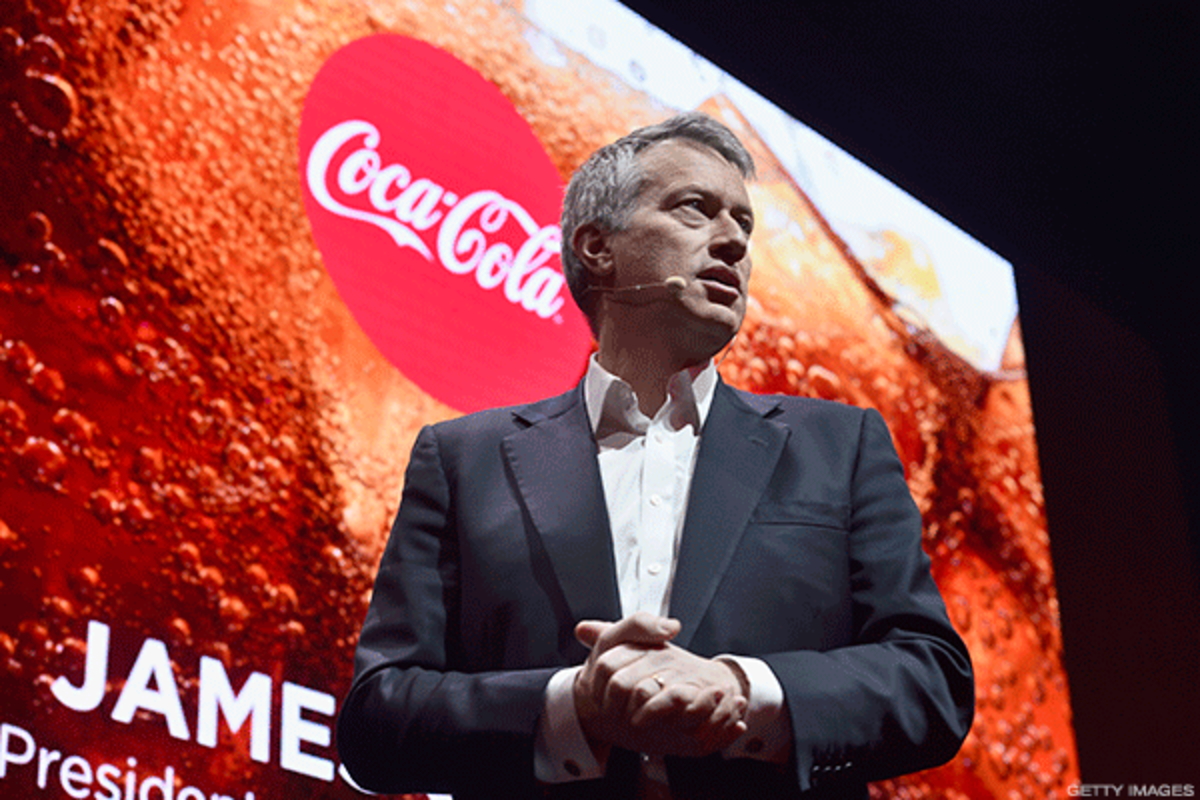 Cola-Cola CEO James Quincey said the company would be offering a version of its namesake cola made with cane sugar in the U.S.
Coca-Cola bringing back cane sugar
Coca-Cola produced for the U.S. market is typically sweetened with corn syrup, while the company uses cane sugar in some other countries, including Mexico and various European nations.
The company, which enjoys a 50% share of the world’s carbonated soft drink market and 44% of the US market, in 1984 moved away from using cane sugar in the U.S., in favor of high-fructose corn syrup, which was less expensive than cane sugar.
More Experts
- Stocks and Markets Podcast: Prairie Operating CEO on energy business
- Dave Ramsey warns Americans on Social Security
- Legendary fund manager reveals new trades after S&P 500 rally
“Mexican Coke” or “Mexicoke” are informal terms for Coca-Cola made with cane sugar, as the Mexican formula exported into the U.S. is sweetened with white sugar.
During the Jewish holiday of Passover, Coca-Cola in Israel produces its drinks using cane sugar, since during the holiday observant Jews don’t consume products made with corn and certain other grains and legumes.
Health and Human Services Secretary Robert F. Kennedy Jr. urges weeding out high fructose corn syrup along with artificial dyes and other additives from US food products.
The news delighted President Donald Trump, who had said in a July 16 post that he had been in contact with the largest manufacturer of soft-drink concentrate and syrups about the sugar issue.
“I have been speaking to Coca-Cola about using REAL Cane Sugar in Coke in the United States, and they have agreed to do so,” Trump said. “I’d like to thank all of those in authority at Coca-Cola. This will be a very good move by them — You’ll see. It’s just better.”
And as we all know, things go better with Coke. (Ask your grandparents.)
Coca-Cola beat Wall Street’s second-quarter earnings expectations and reiterated its full-year forecast for organic revenue.
“Throughout the first half of 2025, the external environment has continued to evolve,” Quincey told analysts. “To adapt, we stay close to the consumer, manage our growth portfolio of brands, and double down on our all-weather strategy.”
Quincey said several markets that were weaker in the first quarter improved volumes sequentially, including the U.S. and Europe, and “in these markets, the plans we’ve implemented are working.”
Analyst cites Coke’s strong earnings beat
“More broadly, our industry remains resilient,” he added. “During the quarter, we gained value share, which represented our 17th consecutive quarter of value share gains. Across the world, we’re navigating complex dynamics across many markets by leveraging our global scale or stepping up local execution.”
Revenue of $12.5 billion narrowly missed the $12.6 billion Wall Street had forecast, Barron’s reported.
Coke’s global cases sold fell 1% in the quarter, with every division except Coke’s Europe-Middle East-Africa business reporting shrinking volume.
Related: Coca-Cola brings back controversial Coke flavor
Quincey said that several bright spots in the company’s total beverage portfolio include Coca-Cola Zero Sugar, Diet Coke, Fanta, Fairlife milk products, and the sports drinks BodyArmor and Powerade, all of which each grew volume.
Coca-Cola shares are up 10.3% this year and up nearly 6% from 2024. They were down 1.4% at last check.
UBS lowered its price target on Coca-Cola to $84 from $86 and affirmed a buy rating on the shares, The Fly reported. The company cited what it called a strong earnings beat of analyst estimates and its 2025 outlook moving to the higher end.
Meanwhile, Bank of America Securities raised its price target on KO to $78 from $77 and also maintained a buy rating.
Coke’s earnings per share exceeded the investment firm’s estimate and the Visible Alpha consensus. The company also narrowed its comparable-EPS growth range to up 3% year-over-year from a prior call of up 2% to 3%.
B of A said Coke’s shares have underperformed given factors including its cases sold came up short of Wall Street estimates.
The investment firm lifted its fiscal 2025 earnings estimate to $2.97 a share from $2.95, saying the report “will look better in hindsight.”
Related: Fund-management veteran skips emotion in investment strategy