
Technology has dramatically changed the beverage market.
“About 30% of milk was still delivered to homes in the 1960s,” according to USDA agricultural surveys, and prior to that, had been the most common way consumers got their milk, Food52 reported.
It was actually the growth of supermarkets and the prevalence of car ownership that ultimately made the milk man irrelevant.
Shipping and storage technology has also changed the beverage market.
Juice concentrates, for example, were created for a logical reason.
“Frozen concentrated orange juice was invented in Florida in the 1940s, primarily as a way to provide juice for the military, readily storable and easy to ship. But frozen juice has been losing favor for years,” the Wall Street Journal reported in 2015.
Now, Coca-Cola has dealt another blow to the struggling market for juice concentrates.
Coca-Cola Minute Maid drops product line
Not-from-concentrate orange juice surpassed the concentrated orange-juice market in the 1980s, according to the Wall Street Journal, citing data from Nielsen.
Coca-Cola’s Minute Maid brand, however, has continued to make concentrated orange juice and lemonade in a variety of flavors including raspberry lemonade, pink lemonade, and limeade.
The beverage giant has decided to discontinue Minute Maid’s frozen canned orange juices and lemonades after 80 years as consumer demand declines.
More Retail:
- Costco sees major shift in member behavior
- Retail chain shuts all locations as legal changes hit industry
- Lululemon struggles to reverse concerning customer behavior
- T-Mobile launches free offer for customers after major loss
“Minute Maid frozen products will be discontinued in North America in the first quarter of 2026, with in-store inventory available when supplies last,” a Coca-Cola spokesperson told Food Dive.
“With the juice category growing strongly, we’re focusing on products that better match what our consumers want,” the spokesperson said.
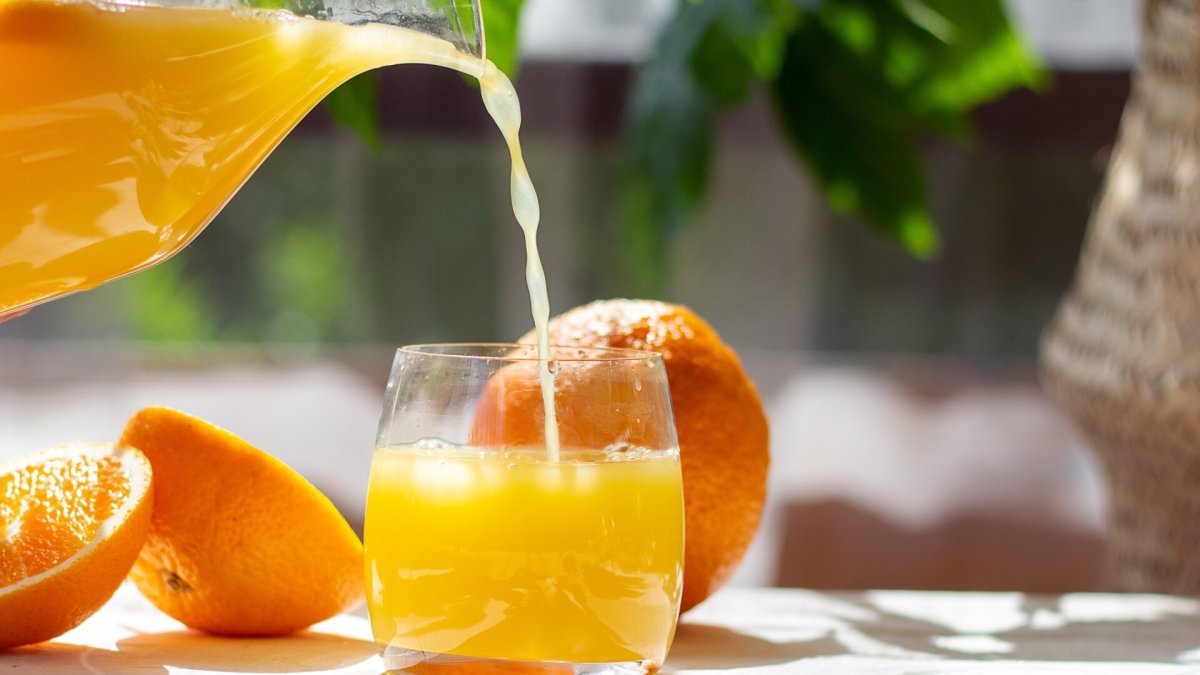 Fresh orange juice is much more prevalent in American homes than juice from concentrate.
Shutterstock
Juice concentrates still have a global market
“Juice concentrate is a thick liquid made by removing the water content from fruit juice. This process involves heating the juice to evaporate the water, leaving behind a concentrated form of the juice’s flavor and nutrients. It is like making fruit juice more potent by taking out most of the water,” according to Business Research Insights.
It can be stored for longer than fresh juice, and while demand has slipped in U.S. homes, it’s still used by manufacturers, and the global market is growing.
- The global juice concentrates market is projected to grow from about $83.9 billion in 2025 to nearly $134.1 billion by 2035, reflecting strong long‑term expansion driven by beverage demand worldwide.
- In the broader fruit concentrate segment, the market is valued at roughly $20.95 billion in 2025 and expected to reach around $36.96 billion by 2035, growing at a CAGR of 5.8%.
- Other forecasts show the juice concentrates industry growing from about $67.6 billion in 2025 to an estimated $94.6 billion by 2030, with CAGR near 7%, highlighting rising demand for natural and functional beverage ingredients.
- North America dominates with nearly 35% market share due to strong demand, advanced infrastructure, and abundant agricultural resources. Source: Business Research Insights
Orange juice from concentrate was something my parents always had in my childhood home in the 1980s, though I never actually drank it. Back then, it felt like a household staple, even if it didn’t end up in my glass.
Sjors Peters, global innovation marketing leader for beverages at IFF, believes that consumer perceptions around taste, naturality, and health have continued to drive demand for Not From Concentrate (NFC) over Frozen Concentrated Orange Juice (FCOJ), Food Ingredients First reported.
“The preference for NFC juice over FCOJ has also been accentuated by the lack of carryover from previous crops. One effect of higher NFC production has been a drastic reduction in the availability of orange essence oil,” he says.
Related: History of Coca-Cola: Timeline, facts & milestones
Coca-Cola made deep cuts
Back in 2020, Coca-Cola slashed its beverage lineup, killing a number of well-known brands including TaB, its original diet soda product. It also killed the Odwalla juice line, and Zico, a coconut water brand.
“Reducing the portfolio will allow Coca-Cola to focus on its most profitable offerings, the company explained. Those include its core products like Coca-Cola Zero Sugar as well as brands that fit into trendy new categories, like Topo Chico hard seltzer and AHA, a caffeinated seltzer the company launched last year,” CNN Business reported at the time.
During that culling, Coca-Cola stopped making approximately 200 different beverages. The company explained the decision at the time.
“The company continues to pursue its beverages for life ambition by calibrating a portfolio with an optimal set of global, regional and local brands with the strongest potential to grow their consumer bases, increase frequency and drive system margins. The company expects to offer a portfolio of approximately 200 master brands, an approximate 50% reduction from the current number,” it shared in a press release.
Since then, Coca-Cola has not had a widespread purge of brands, but it has made regular cuts when a product or product line did not meet performance expectations.
Related: Walmart’s $1T valuation: A bet on high-income shoppers