
Every online shopper has faced the Amazon conundrum.
After 10 minutes of scrolling, you find the perfect item that meets all of your needs and looks amazing. You even check the reviews to ensure the community is satisfied with their purchase.
But when you receive the item, it somehow just doesn’t look like it did online and doesn’t perform the way you expected (damn those fake reviews).
As frustrating as that situation is for an off-brand video game controller or a $45 stainless steel cooking pan, one can imagine how frustrating it must be to spend tens of thousands on an electric vehicle when its driving range is more than 50 miles lower per charge than advertised.
Related: Consumer Reports names 5 more vehicles with the lowest hidden fees
The federal government heavily regulates motor vehicle fuel efficiency standards. For electric vehicles, the Environmental Protection Agency range is the official estimate of an EVs driving distance on a single charge. The EPA estimates that a gallon of gasoline has the energy equivalent of 33.7 kilowatt-hours of electricity.
In other words, a plug-in that uses 33.7 kilowatt-hours to drive 100 miles will use the energy equivalent of one gallon of gasoline. Or at least that is supposed to be the standard.
But according to a new Consumer Reports study, many EVs perform much worse on the highway than their advertised EPA ranges would suggest.
The EPA says its tests take charging losses into consideration as a small amount of energy is lost through energy conversion and heat. But some of the real-world results in the Consumer Reports study can’t be explained away by spillage anyway.
But Alex Knizek, director of auto test development at Consumer Reports, says the discrepancy isn’t unexpected since the EPA conducts its tests in a laboratory and its ratings represent a mix of highway and city driving.
Still, he recognized that this presents an unfair conundrum for car buyers.
“When comparing cars, buyers need to know what range they are getting for their money,” says Knizek. “If you run out of charge on the highway, you may need to be towed, which could be both inconvenient and costly.”
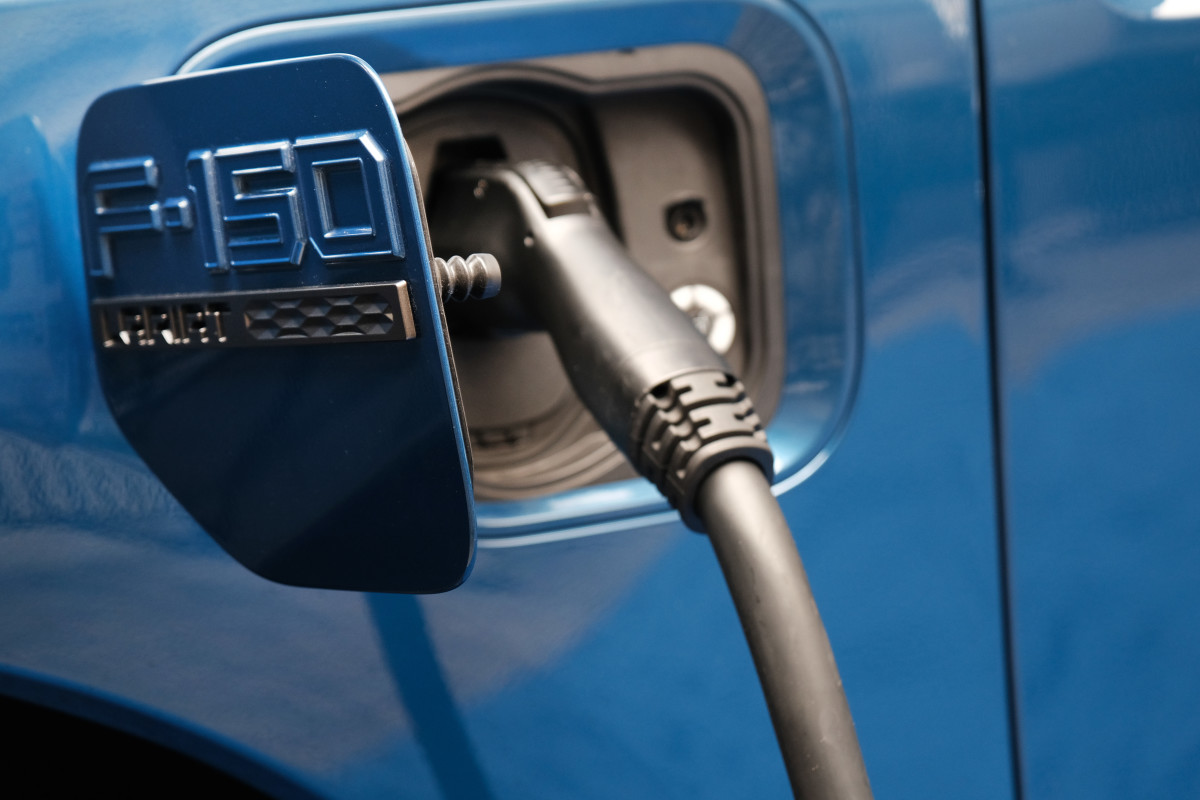 EV ranges aren’t always equal to what the company claims.
What is Consumer Reports?
Founded in 1936 by a group of workers fired from a product-testing firm called Consumers’ Research, Consumer Reports is a multifaceted nonprofit organization that aims to educate consumers about products and help them make informed purchasing decisions.
It does this by purchasing and testing products directly, administering detailed surveys to its members about the products they own and use, and investigating the veracity of manufacturers’ claims.
Related: Consumer Reports names top 5 vehicles with lowest hidden fees
Consumer Reports at a glance
- Founded: 1936 (as Consumers Union by former employees of Consumers’ Research, fired after they attempted to unionize)
- Headquartered: Yonkers, NY
- Leadership: Marta Tellado, president and CEO
- Employees: Approx. 500 to 600
- Members: At least 6 million
- Mission statement: “Consumer Reports is an independent, nonprofit member organization that works side by side with consumers for truth, transparency, and fairness in the marketplace.”
Consumer Reports’ slogan, “Smarter choices for a better world,” captures the organization’s purpose. CR aims to educate and inform the public by providing objective information about popular products, helping consumers make “smarter choices” when purchasing major items.
Consumer Reports calls the EPA’s miles-per-gallon-equivalent calculations “outdated” and its methods unrealistic.
More from Consumer Reports
- Consumer Reports names 5 more vehicles with the lowest hidden fees
- Consumer Reports names 5 vehicles with the lowest hidden fees
- Consumer Reports warns of 5 vehicles with the most expensive hidden fees
“That’s why we purchase our vehicles like a consumer would and drive them at highway speeds like a consumer would on a road trip,” said Jake Fisher, senior director of CR’s Auto Test Center.
For this report, Consumer Reports put the EVs through a highway-speed range test, driving fully charged vehicles at a steady speed of 70 mph until they ran out of charge. Even if the vehicle’s display indicated zero miles of range, the testers didn’t stop driving until the car came to a stop.
Consumer Reports EVs that underperform their EPA range
Chevrolet Silverado EV
- Model: 2024 Chevrolet Silverado EV RST, AWD, 24-inch wheels
- EPA Range: 493 miles
- Consumer Reports Highway Range: 472 miles (21-mile difference)
Tesla Model S
- Model: 2021 Tesla Model S Long Range, AWD, 19-inch wheels
- EPA Range: 410 miles
- Consumer Reports Highway Range: 366 miles (44-mile difference)
Rivian R1s
- Model: 2025 Rivian R1s Dual Max, AWD, 22-inch wheels
- EPA Range: 410
- Consumer Reports Highway Range:358 (52-mile difference)
Lucid Air
- Model: 2023 Lucid Air Touring, AWD, 20-inch wheels
- EPA Range: 396 miles
- Consumer Reports Highway Range: 344 (52-mile difference)
Ford F-150 Lightning
- Model: 2022 Ford F-150 Lightning Lariat Extended Range, AWD, 20-inch wheels
- EPA Range: 320 miles
- Consumer Reports Highway Range: 270 miles (50-mile difference)
Related: Consumer Reports names top 5 vehicles with lowest hidden fees