
When I first started following news about GLP‑1 drugs, everything revolved around injections that patients had to store, handle, and learn to use correctly.
Now the arrival of a Wegovy pill in U.S. pharmacies feels like a line in the sand between the first and second era of prescription weight‑loss drugs. As reported by Pharmacy Times, the Food and Drug Administration cleared the oral version of semaglutide for adults with obesity or who are considered overweight, and have at least one weight‑related condition, on December 22, 2025. The first 1.5‑milligram dose began reaching more than 70,000 pharmacies across the country on January 5.
According to PR Newswire, Novo Nordisk said the pill is also approved to help reduce the risk of major cardiovascular events, including death, heart attack, or stroke, in adults with obesity and established cardiovascular disease, putting it on the same footing as the injectable Wegovy shot.
In trials, once‑daily Wegovy tablets taken with diet and exercise produced average weight loss of roughly 14% across all patients and about 17% among those who stayed on therapy, compared with about 2% to 3% for placebo.
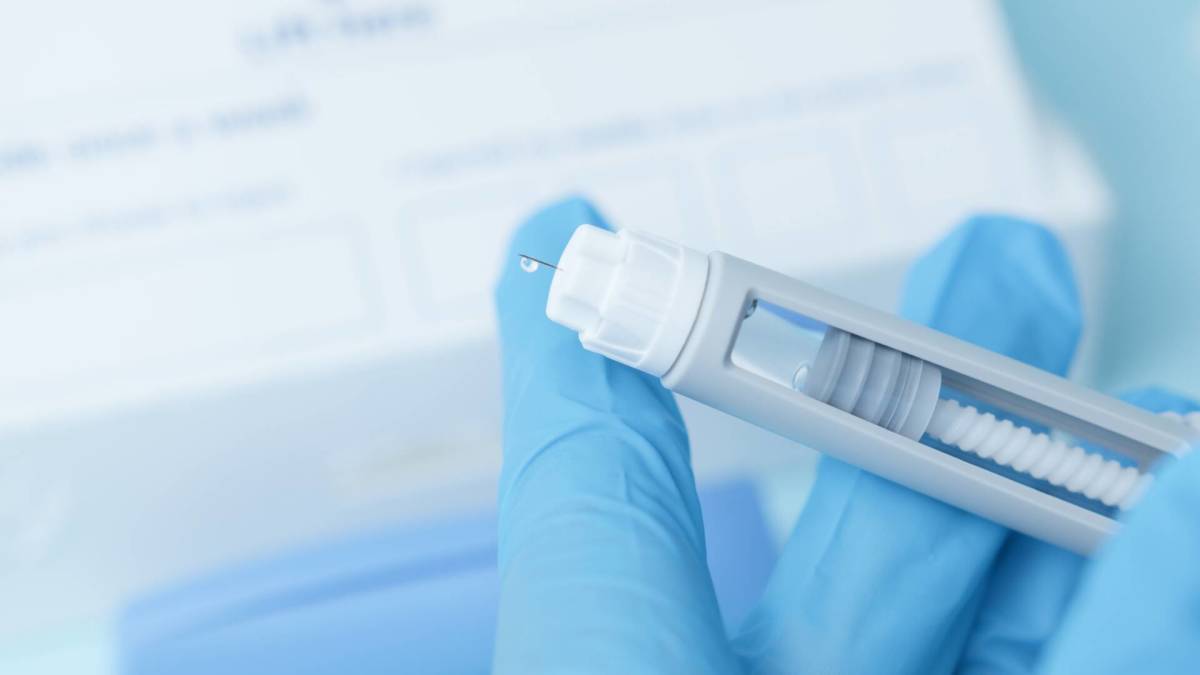 Wegovy is now approved as a pill.
Shutterstock
How the Wegovy pill works and what it costs
Like the injection, the Wegovy pill uses semaglutide, a GLP‑1 receptor agonist that mimics a gut hormone to help regulate appetite and food intake. By slowing “gastric emptying” and acting on appetite centers in the brain, GLP‑1 drugs can help patients feel full sooner and stay full longer, which is why they have become central to modern obesity treatment. The oral version comes in escalating doses, up to 25 milligrams, taken once daily, with specific instructions on timing and food to aid absorption.
Price is where the pill immediately stands out.
Novo Nordisk has said self‑pay patients will be able to get the starting 1.5‑milligram Wegovy pill dose for about $149 per month, and that higher strengths will range up to about $299 per month after introductory discounts expire. These figures were cited in coverage from CNBC, SBJ, and regional business outlets that summarize the company’s pricing plans.
More Health Care:
- If your Medicare plan was canceled, do this now
- Health care costs are the wild card in year-end tax planning
- 22 million Americans hit by ACA health insurance cliff after vote fails
- How Work Conditions Impact Mental Health
List prices for injectable GLP‑1 drugs will run around $1,000 to $1,350 per month for a 28‑day supply, although both Novo Nordisk and Eli Lilly already use aggressive cash‑pay and savings programs that can bring injectable costs down to the $299 to $499 range for some patients. Commercially insured adults who qualify for coverage may pay as little as $25 per month using a Wegovy savings card, though access still depends heavily on each plan’s obesity‑drug policies.
Access, distribution, and expert reaction
From where I sit, one of the most striking aspects of this launch is how broadly and quickly Novo Nordisk has attempted to integrate the pill into everyday healthcare channels. The company said the starting dose is now available through more than 70,000 pharmacies, including big names like CVS and Costco, as well as telehealth platforms such as Ro, WeightWatchers‑affiliated services, GoodRx, LifeMD, and its own NovoCare pharmacy. GoodRx told Drug Topics that it is promoting cash offers that keep the starting dose “under 150 a month,” a move that could put additional pressure on pricing for injectable competitors.
Related: Novo Nordisk just pulled off something nobody saw coming
Novo Nordisk framed the moment in sweeping terms. “This moment signifies a shift in what can be achieved in weight management, and to facilitate this, we have endeavored to make [the Wegovy pill] both affordable and accessible for those who require it, regardless of their care preferences,” a company executive said in a statement.
That framing matches how some analysts already see the shift: Faizan Farooque of TheStreet described FDA approval of the pill in late 2025 as something “nobody saw coming,” highlighting the strategic advantage of being first with an oral GLP‑1 obesity treatment.
What this means for Eli Lilly, the GLP‑1 boom, and patients
For the past two years, weekly injectable drugs like Wegovy and Eli Lilly’s Zepbound have defined the GLP‑1 category in the U.S., creating blockbuster revenue and widespread headlines but also supply shortages and uneasy debates about who should get access first. Lilly is working on its own obesity pill, and the FDA is expected to review that candidate later this year, but for now Novo Nordisk has the only approved oral GLP‑1 specifically labeled for weight loss.
That first‑mover edge could matter in a market where millions of patients are GLP‑1‑curious but needle‑averse and where primary care doctors may find it easier to add a pill to a daily regimen than to train patients on injections.
Outside experts are already framing the pill as part of a broader shift in how the health‑care system thinks about obesity. “The starting dose of 1.5 mg is anticipated to cost $149 per month out of pocket but could be lower, depending on a person’s insurance,” Scientific American noted in its coverage, adding that the oral option “could make the drugs more palatable to patients who have been squeamish about injections.” An analyst quoted by Yahoo Finance described FDA approval of the first oral GLP‑1 for obesity as a “watershed” that will force insurers, employers, and health systems to decide whether they treat obesity “as a chronic disease or a lifestyle choice” when it comes to coverage.
Here are some of the early ways I see the pill changing the landscape for patients:
- Lower psychological barriers for adults who have resisted needles but meet medical criteria for GLP‑1 therapy.
- More pressure on health plans to clarify coverage rules as obesity drugs move from specialty injections to familiar oral formats.
- A potential shift in adherence patterns, since taking a pill daily may be easier for some people than remembering a weekly injection, but harder for others who already juggle multiple prescriptions.
Risks, questions, and what adults should watch
Every time I talk to clinicians about GLP‑1 drugs, they come back to two themes that matter just as much with a pill as with a shot: side effects and staying power. Wegovy tablets carry similar warnings to the injection, including risks related to thyroid C‑cell tumors in rodents, pancreatitis, gallbladder issues, gastrointestinal side effects, and potential interactions with other medications. Physicians also stress that the cardiovascular indications are supported by trial data in adults with obesity and existing cardiovascular disease, not in every possible patient group that might want to use the drug for weight loss.
Faizan Farooque’s earlier coverage of GLP‑1 drugs has repeatedly flagged open questions around supply, manufacturing capacity, and the political pressure that can build when a high‑demand class of drugs strains budgets for public programs such as Medicare and Medicaid. Those tensions will not disappear just because the drug now comes in tablet form; in some ways, easier access through telehealth and chain pharmacies could intensify the debate over who gets treated first and how payers guard against inappropriate prescribing.
For individual adults thinking about the pill, the most important step is still a detailed conversation with a trusted clinician about personal health history, other medications, realistic weight‑loss goals, and what it means to commit to a GLP‑1 for the long haul.
Related: Novo and Lilly shift GLP-1 strategy abroad: US may be next