
While summer is a time when city dwellers try to seek out beaches, hiking trails, and campgrounds, nature often has to be shared with various insects and critters that also become active during the warmer months.
In the Northern Hemisphere, mosquito season typically lasts between April and October or until the first frost. Often noticed a few hours later based on their itchy bites, mosquitoes are most active in humid environments around tall grass, standing water, and shrubbery.
Don’t miss the move: SIGN UP for TheStreet’s FREE Daily news
Mosquitoes can also spread anything from malaria and yellow fever in tropical countries to polio in communities with low vaccination rates.
In August, the CDC warned travelers to Germany, Finland, the United Kingdom, Kenya, and Spain that the latter virus, once nearly eradicated, is again circulating in these countries.
West Nile virus found at beach sample in popular New York holiday site
The most common mosquito-borne disease in the United States is West Nile virus. Having first arrived in the country from more tropical climates in 1999, the RNA virus attacks the central nervous system and can cause what in some cases are severe symptoms of fever, body aches, vomiting, and body rash.
According to statistics from the CDC, an average of 1,200 people in the U.S. contract the West Nile virus per year, while approximately 120 of those end up passing away from it.
Related: This national park has had 125-degree weather for two weeks straight
Along some of the beaches on Fire Island, a barrier island that protects the south shore of New York’s Long Island, local health authorities and the National Park Service (NPS) identified the presence of West Nile virus in samples collected for its annual monitoring program.
On Aug. 20, the NPS announced that the positive sample was collected at the William Floyd Estate on Mastic Beach along Fire Island National Seashore.
Related: The same mistake keeps nearly costing national park visitors their lives
Managed by the NPS, the 26-mile stretch of land along the island’s southern shore is known for its maritime forest and presence of historical landmarks.
The William Floyd Estate is the ancestral home of the namesake Founding Father who played a key role in the American Revolution. Many visitors who come to explore the more remote beaches of Fire Island also tour the house for a deeper understanding of the area’s history.
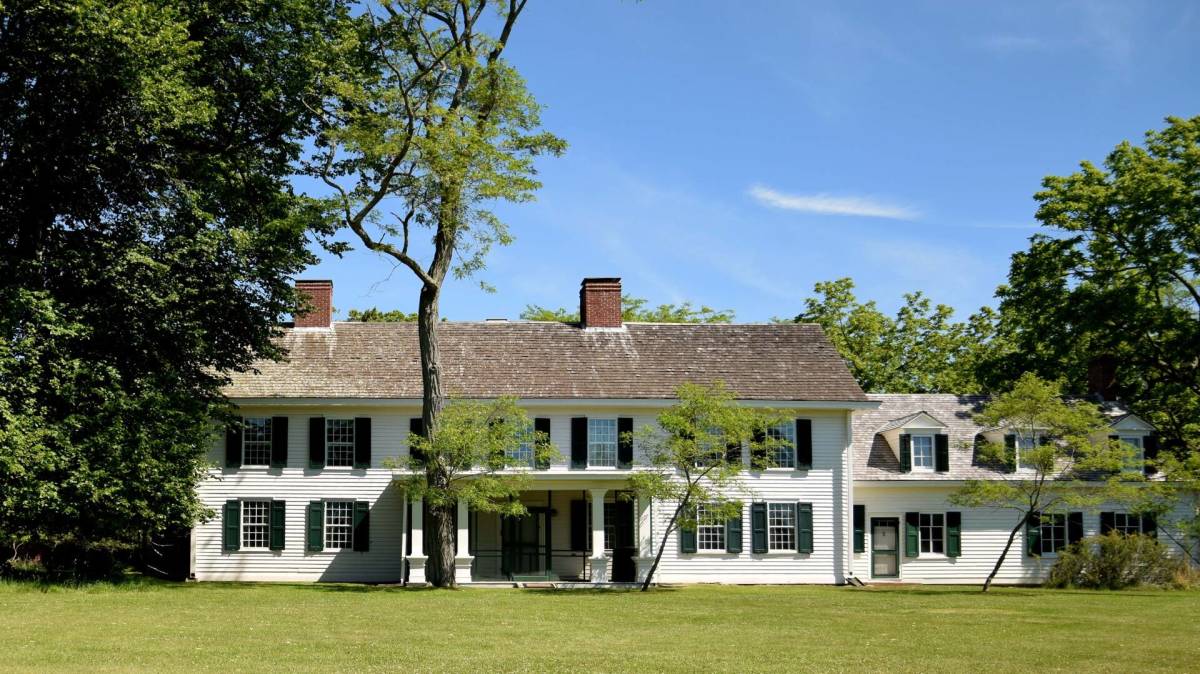 William Floyd Estate is a historic Fire Island property that belonged to the namesake Founding Father.
Image source: National Park Service
“Avoid areas with high densities of mosquitoes”: NPS
The mosquito sample with the virus was identified on July 29. Although a similar sample collected a week later on Aug. 5 had no evidence of its presence, the NPS advised visitors to the area to take precautions to prevent mosquito bites.
The extent of the danger to the public — as well as whether broad actions such as spraying or closing down the site are necessary — will only be determined a few days after the samples are collected and analyzed.
More on national parks:
- National park director just told visitors this season is ‘not going to be great’
- Multiple national parks warn of similar danger
- One of the biggest crimes committed in a national park is solved
“WNV is transmitted to humans through the bite of an infected mosquito,” the NPS wrote of the virus sample discovery. “Visitors should take precautions to reduce exposure to the virus by avoiding areas with high densities of mosquitoes. If contact with mosquitoes is unavoidable, it is advisable to minimize outdoor activities when mosquitoes are active, wear protective clothing (long sleeved shirts, socks, and long pants) and use effective insect repellent.”
(The Arena Group will earn a commission if you book a trip.)
Make a free appointment with TheStreet’s Travel Agent Partner, Postcard Travel, or email Amy Post at [email protected] or call or text her at 386-383-2472.