
Even though most of my friends are gainfully employed right now, a lot of them are feeling shaky about their finances. And these aren’t people who live paycheck to paycheck as a matter of course. These are people with established careers and mortgages.
The reality is that persistent inflation, expensive gas and groceries, and concerns about the broader economic outlook are pushing a lot of people to spend money more cautiously.
Consumer sentiment just fell roughly 14% from a year prior, according to the University of Michigan’s May survey. That same survey found that 57% of consumers felt high prices were eroding their finances.
Given that inflation soared to 3.8% year over year in April, according to the Consumer Price Index, that’s not surprising.
“Americans are upset about high prices and trying to stretch every dollar,” Heather Long, chief economist at Navy Federal Credit Union, told Reuters.
All of that financial pressure is changing the way consumers spend. And it’s not limited to lower-income households by any means.
Middle- and even upper-income households are looking for ways to save money on essentials as prices remain elevated. And Dollar Tree in particular is in a great position to capitalize.
Dollar Tree sees “trade-in” behavior accelerate
Dollar Tree is benefiting from a major shift in consumer behavior. For the quarter ending May 2, 2026, the company said net sales grew 7.2% year over year, and comparable-store net sales increased 3.5%.
For fiscal 2026, Dollar Tree now expects net sales from continuing operations in the range of $20.5 billion to $20.7 billion. The company also plans to open about 400 new stores and close 75 for a net gain of roughly 325.
Related: Costco helps shoppers fight rising prices
It’s very clear that Dollar Tree is benefiting from shoppers seeking lower-priced alternatives for groceries, household products, and consumable goods.
“Our deep value and attractive opening price points not only enable us to best serve our core customer, they also position us to benefit from trade-in behavior as customers across multiple income cohorts become increasingly value-focused,” said CEO Mike Creedon during the company’s first-quarter earnings call.
The company said consumer demand remained strong for low-cost essentials during the quarter, helping to drive that strong increase in comparable-store sales. Executives also noted that shoppers are prioritizing necessities over discretionary merchandise as inflation continues to pressure household budgets.
Retail analysts say the shift reflects a broader structural change in consumer behavior.
A recent RetailNext shopper survey found that consumers increasingly expect to buy more items on promotion, switch to cheaper brands, and prioritize lower prices as economic uncertainty persists.
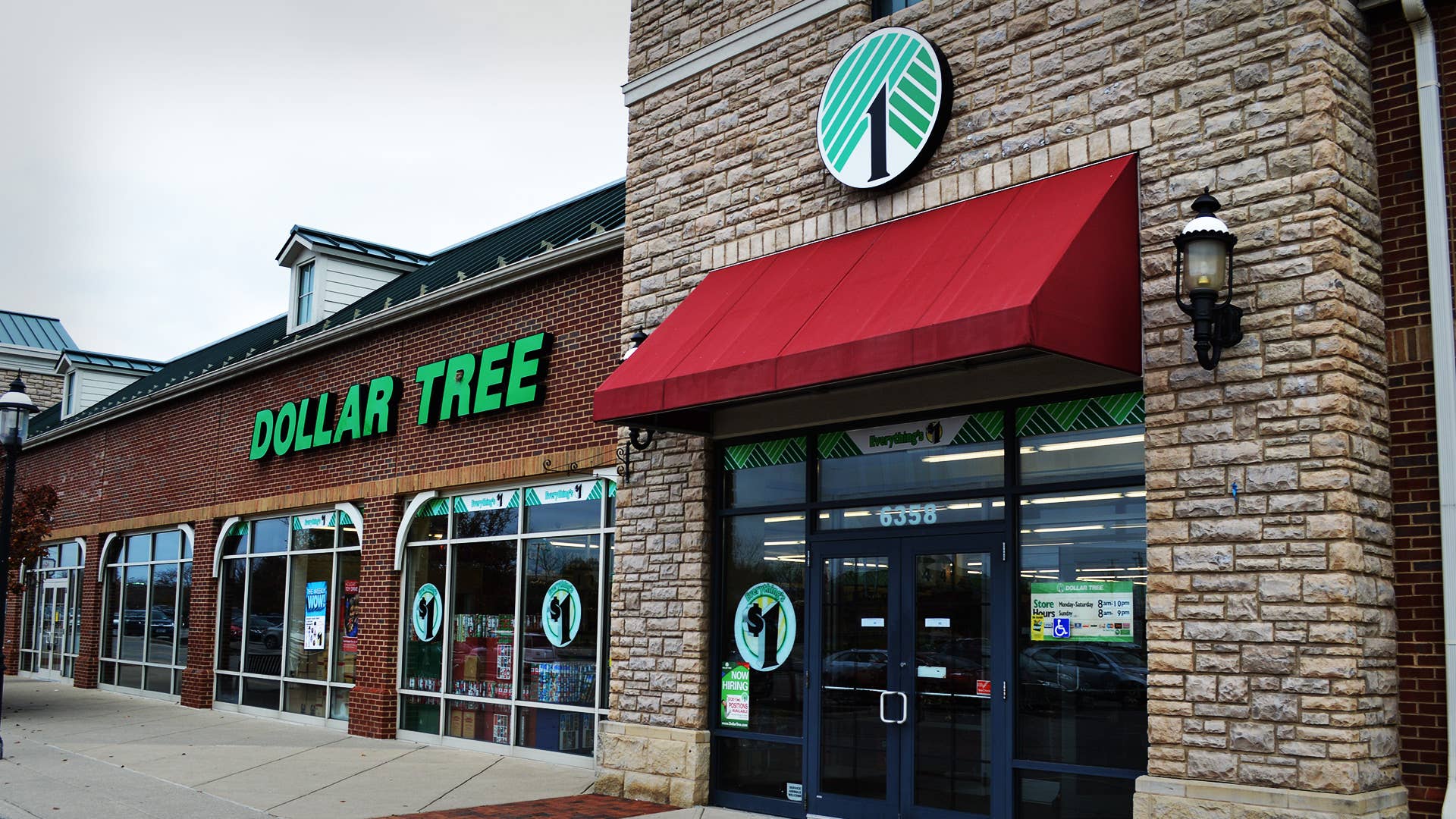 Dollar Tree’s strong bottom line reflects shoppers seeking lower-priced alternatives for groceries, household products, and consumable goods.
Image source: Shutterstock
Dollar Tree is positioned to benefit
The “trade-in” trend has historically benefited discount retailers during periods of economic stress. Even though we’re not in the midst of a recession now, it’s clear that consumers are operating as though we’re on the brink.
Dollar Tree can capitalize on the shift because its business model centers on low opening price points and convenience.
More Retail:
- Costco sees major shift in member behavior
- Retail chain shuts all locations as legal changes hit industry
- Costco makes major investment in online shopping for members
Unlike traditional grocers or big-box retailers that compete across a wide range of price tiers, Dollar Tree’s stores emphasize affordability on everyday household items, snacks, cleaning supplies, party goods, and seasonal merchandise. That positioning becomes especially attractive when consumers are trying to control spending.
Even though Dollar Tree saw declines in foot traffic in March and April, according to Placer.ai data, there’s a good chance things will turn around as consumers continue to prioritize affordability.
“The dollar and discount category is set up for success as macroeconomic uncertainty rises,” Elizabeth Lafontaine, Placer.ai‘s director of research, told TheStreet in an exclusive interview.
“Dollar Tree has potential upside due to its visitor mix. It draws a higher share of younger visitors, which could provide some relief if sentiment improves.”
If Dollar Tree continues to grow its assortment of essential goods and keep those prices at its lowest tier, it could easily win over customers who would normally spend their money at megastores such as Walmart and Target.
And if inflation and high prices persist, it won’t be surprising to see more shoppers ditch big-box retail in favor of lower-cost alternatives.