
Ordering through platforms like DoorDash or Uber Eats costs nearly 80% more on average than picking up, a LendingTree study found.
Service fees, delivery charges, and inflated menu prices all add up on the final bill, often without a clear explanation of where each dollar goes.
The Federal Trade Commission opened a preliminary rulemaking process in April, asking whether new federal rules should target fee practices in food and grocery delivery.
Hundreds of stakeholder comments flooded in before a May 18 deadline, revealing a fierce divide between delivery platforms and the restaurants demanding transparency.
The outcome could determine whether delivery orders show the full price upfront or continue adding fees at checkout.
The FTC puts delivery app pricing under the microscope
The rulemaking targets whether delivery apps engage in “unfair or deceptive” fee practices, the same legal framework the agency used against ticketing platforms.
Drip pricing involves gradually revealing fees throughout the checkout process, and the FTC noted that some studies report total delivery costs running 25% to over 90% higher than picking up the same order, the Federal Register filing stated.
That tactic targets shoppers who have already spent time choosing their food and are far less likely to walk away once the inflated total appears.
“Clear and truthful pricing is essential to competitive markets,” Christopher Mufarrige, Director of the FTC’s Bureau of Consumer Protection, said in the announcement.
DoorDash alone generated $11.46 billion in U.S. revenue in 2025, according to its 2025 annual report on Form 10-K, with revenue derived from merchant commissions, consumer fees, advertising, and membership programs.
The scale of that revenue helps explain why the industry has fought so aggressively to shape this regulatory process from the very beginning.
Restaurants and grocers say they are caught in the crossfire
Independent restaurants and grocery stores filed some of the most forceful comments before the May 18 deadline, urging the FTC to adopt new federal transparency rules.
The Independent Restaurant Coalition warned that hidden delivery fees often lead consumers to blame restaurants for high prices that are beyond their control.
Delivery apps charge restaurants commissions of 15% to 30% on every order, the Independent Restaurant Coalition stated in its filing.
More Restaurants:
- 30 year old restaurant has closed all restaurants
- After bankruptcy, Hooters closes restaurants, fights for survival
- Iconic Las Vegas Strip restaurant closes without warning
Those fees weigh heavily on restaurants that already operate on net profit margins of just 3% to 5%, leaving owners with few good options.
Restaurant operators must either raise delivery prices and alienate cost-conscious customers or absorb the commission costs and risk losing money on every order.
The National Grocers Association also backed the FTC’s intervention, arguing that consumers have little insight into whether platform prices are marked up from in-store levels.
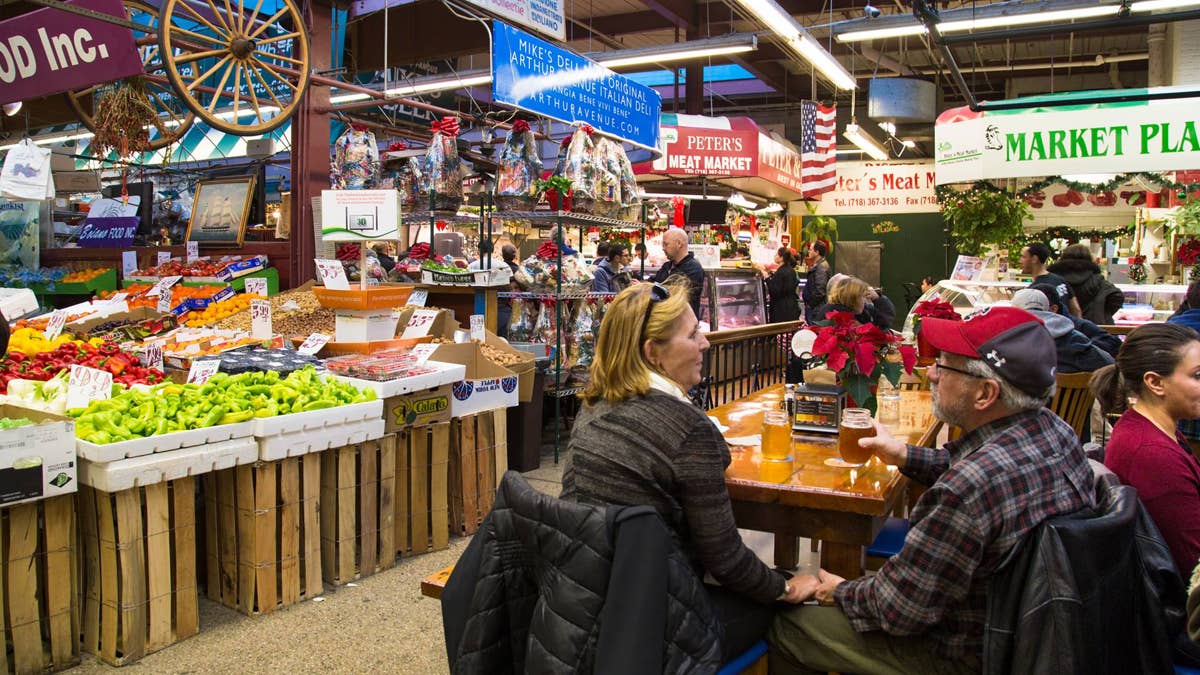 Restaurants and grocers are urging the FTC to crack down on hidden delivery fees that drive up costs for consumers.
Delivery platforms argue current pricing is already transparent enough
The Flex Association, an industry lobbying group for major delivery companies, argued that existing policy frameworks already push platforms toward fee transparency.
The association claimed members already show fees as early as possible and argued that displaying all costs before checkout is not feasible.
Instacart requested no new rule or a narrowly tailored alternative, contending that all-in pricing would display confusingly high prices for individual grocery items.
About 40% of Americans say they’re ordering food delivery once a week or more… there’s not a whole lot of us that can afford to add an extra 80% onto our food budgets
Instacart’s position came just months after it paid a $60 million settlement to the FTC over allegations it falsely advertised “free delivery” while charging undisclosed service fees at checkout, the agency’s announcement noted.
Grubhub took a different position from its industry peers, shaped by the company’s own recent regulatory history with the Federal Trade Commission.
The company paid $25 million to settle FTC junk fee charges and now wants the agency to extend those same transparency requirements to its competitors.
Chief Executive Officer Howard Migdal outlined that position in a last-minute comment, proposing that the FTC apply Grubhub’s post-settlement reforms across the entire delivery industry.
DoorDash’s conspicuous silence and signs of coordinated outreach
DoorDash controls the largest share of the food delivery market, yet the company did not submit its own formal comment to the FTC.
The public record does reveal patterns suggesting organized outreach by delivery platforms seeking to influence the process through their workers and customers.
At least nine delivery drivers submitted comments using an identical template beginning with “As a Dasher, I am concerned,” the public comment record showed.
Similarly, at least 11 Instacart customers wrote in, using a shared template, praising the company’s service without addressing the proposed regulations.
Those patterns raise questions about how delivery platforms can shape the very public comment process regulators rely on to gauge consumer sentiment.
Political headwinds could block new delivery fee protections
Even with strong backing from restaurants and consumer advocates, the current political environment creates significant uncertainty about whether any rule will take effect.
The FTC’s junk fee rule for tickets and hotels took about two and a half years from its initial rulemaking notice to final implementation.
A similar timeline would push any final delivery-fee rule into late 2028, near the end of the current presidential administration’s term.
FTC Chairman Andrew Ferguson was the sole dissenter when the agency approved the ticket and hotel fee ban in a 4-to-1 vote in December 2024.
Ferguson argued in his dissent that the prior administration’s window for rulemaking had closed, though he specified that his vote should not be understood as a position on the rule’s merits
Applying a stricter mandate to food delivery would go further than what California, a regulation-friendly state, has enacted through its junk fee laws.
That gap between state-level action and the proposed federal standard suggests the fight over food delivery pricing is far from settled.
Related: DoorDash changed food delivery. This tech cuts delivery out of the equation.