
America’s distilleries have faced a perfect storm of economic and market headwinds that has pushed many out of business in recent years.
First, many Americans are drinking less, especially younger ones.
“Young adults in the U.S. have become progressively less likely to use alcohol over the past two decades, with the percentages of 18- to 34-year-olds saying they ever drink, that they drank in the past week and that they sometimes drink more than they shouldall lower today. At the same time, drinking on all three metrics has trended up among older Americans while holding fairly steady among middle-aged adults,” according to a Gallup poll.
- 62% of adults under age 35 say they drink, down from 72% two decades ago.
- Conversely, drinking has increased among adults aged 55 and older.
- Young adults are also drinking less frequently and are less likely to drink to excess.
In addition, distilleries continue to feel the effects of tariffs imposed during President Donald Trump’s administration, which have increased production costs and contributed to a sharp drop in U.S. whiskey exports to key markets like the EU.
“We’re very worried about what tariffs could do to our industry,” said Eric Gregory, president of the Kentucky Distillers Association, reported WKYT.
Take those two challenges together, and it’s not surprising that American distilleries, including Artisan Distillery & Craft Bar, have decided to close their doors.
Tariffs hurt whiskey exports
Those impacts are already being felt.
American Whiskey exports to the EU, the U.S. spirits industry’s largest export market, have tumbled by 33% and cost $300 million since the EU’s 25% retaliatory tariff went into effect on June 22, 2018, according to a new report released by the Distilled Spirits Council of the United States on the two-year anniversary.
The EU levied the destructive tariff in response to U.S. tariffs on EU steel and aluminum.
“American distillers enjoyed two decades of unparalleled growth in the EU prior to the implementation of these retaliatory tariffs,” said Chris Swonger, CEO of the Distilled Spirits Council of the United States (DISCUS). “This report makes clear that these tariffs took the wind out of the sails for American Whiskey exports to our top export market, which has resulted in a loss of more than a quarter of a billion dollars of sales.”
Pioneering distillery closing forever
Artisan Distillery & Craft Bar became famous for its Spike Vodka, a spirit made with nopal instead of the traditional fermented cereal grains or potatoes. Later, the distillery added gin, whisky, moonshine, and a tequila-like agave liquor and branched out to brewing beer.
Closing was not an easy decision for the brand’s owners, but they made the reasons very clear in an Instagram post.
“The reason for Artisan’s closure is due to accumulation of current economic and market changes, current tariffs that increased production costs significantly, and the decrease of popularity of hand-crafted cocktails and micro-distilleries/breweries,” the company shared.
Its last day will be January 25.
More Retail:
- Costco sees major shift in member behavior
- Retail chain shuts all locations as legal changes hit industry
- Lululemon struggles to reverse concerning customer behavior
- T-Mobile launches free offer for customers after major loss
Owner Nick Spink shared a comment with MYSA about the closing.
“We have had a great time creating great craft distilled spirits and micro-beers and we had fun creating some of the best cocktails in town. We always enjoyed supporting the local arts, comedy, market and LGBTQ+ community through the years. We won many awards over the years and it is sad that we are closing,” Spink said.
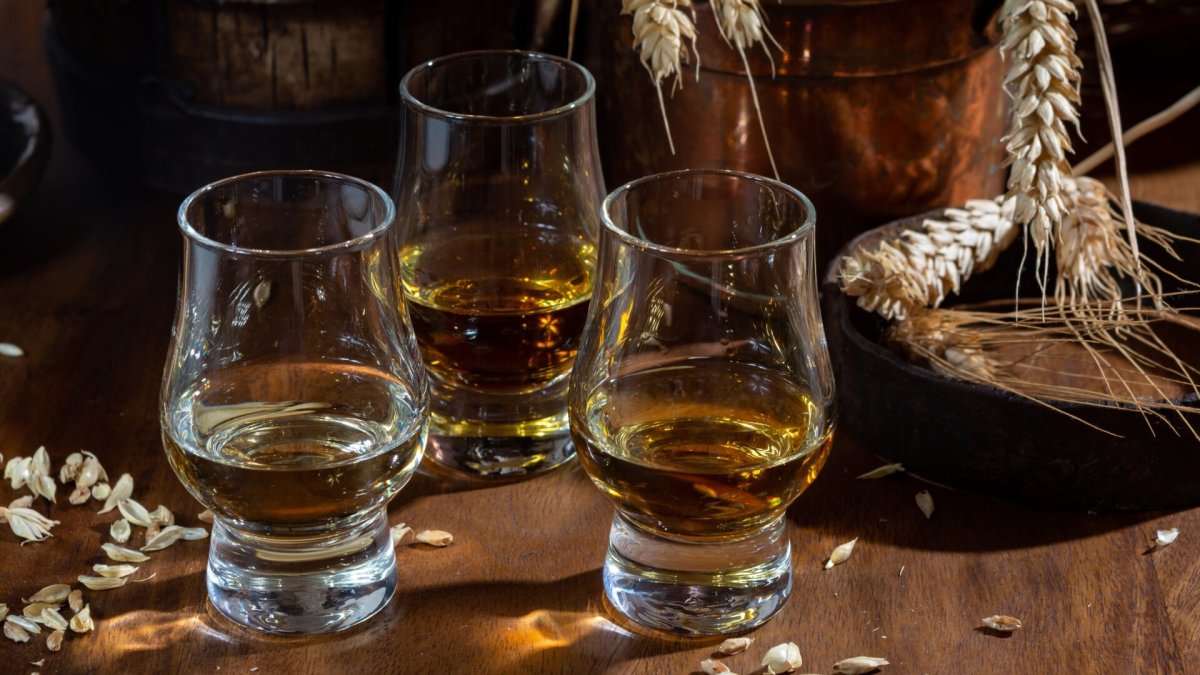 Whiskey exports were down in 2025.
Shutterstock
Distilleries have been hit hard
- Boston Harbor Distillery (WA): Filed for Chapter 11 bankruptcy on March 31, 2025, seeking reorganization and indicating deep financial pressure on smaller spirits producers, reported Kirk O’Neil at TheStreet.
- Dented Brick Distillery: Filed for Chapter 11 bankruptcy and is liquidating operations, signaling another craft distillery closure in 2025, shared TheStreet.
- Black Button Distilling (New York): After a change in ownership, the entire staff was fired, and the distillery’s spirits are being liquidated, effectively shutting operations, reported WXXI News.
- Jim Beam (Clermont, KY): Bourbon production paused at this major facility for at least one year starting in 2026 due to weaker demand and broader industry challenges. While not an outright closure, it represents a significant operational shutdown, according to LootPress.
- Garrard County Distilling Co. (KY): Closed operations and faces a $2.2 million lawsuit. Staff furloughed after severe financial issues, according to Fred Minnick.
- Green River Distilling Co. (KY): Cut workforce by 30% amid industry pressure, shared WDRB.
U.S Craft distillery numbers drop
The American Craft Spirits Association (ACSA) released its 2025 Craft Spirits Data Project, an annual report on the state of the U.S. craft distilling sector in partnership with Park Street.
“The latest edition of the report revealed stark figures for the industry with the number of active craft distillers falling by 25.6% to 2,282 as of August 2025, compared with 3,069 in the same month last year,” it shared.
- The biggest state for the sector by far is California, but the number of distillers plummeted by 45% to 207 between August 2024 (379) and August this year.
- After California, New York is the second-biggest state for craft distillers with 159 as of August 2025, followed by Pennsylvania (149), Texas (126), and Washington (108). All four states recorded a decrease in the number of craft distilleries.
- The top five states represent more than 32.8% of craft distillers.
“In 2024, the US craft spirits category declined for the second year in a row in line with the wider spirits market, falling by both volume and value. The sector reached 12.7 million cases last year (versus 13.5m in 2023) and US$7.58 billion in sales — a volume decrease of 6.1% and a value drop of 3.3%,” according to the report.
- Exports of U.S. craft spirits slumped by 20.7% in 2024 to a total of 142,000 nine-litre cases, compared with 179,000 in 2023.
Barry and Lisa Butler, who own and operate the Tarpon Springs Distillery in Florida, shared their perspective on what’s happening to their industry.
Added costs are a major problem, Barry told Spectrum News.
“Bottles are up 50% since pre-Covid between transportation and the cost of that,” Barry said. “Packaging and labels are up probably 60 to 70% over what they were pre-Covid.”
Tarpon does not export, but Barry said his company has lost most of its sales to Canadian tourists, which had been one of his brand’s biggest sales drivers.
Related: Troubled whiskey brand falls into Chapter 7-like liquidation