
What makes something “real” food?
For decades, the answer wasn’t just about taste—it was about law.
If a food didn’t meet very specific federal criteria, it couldn’t be sold under certain names. These “standards of identity” controlled how macaroni could be shaped, what kind of juice counted as juice, and even how much fruit had to be in fruit jam.
And if you’ve never heard of these labeling standards, you’re not alone. The average shopper likely doesn’t know that federal rules once dictated how frozen cherry pies or French dressing had to be made.
But behind the scenes, these food standards shaped generations of grocery store shelves.
Related: These clean food brands are rightfully challenging the FDA
Now, they’re disappearing.
In July 2025 the FDA announced a sweeping rollback that eliminates 52 of these long-standing standards, calling them “obsolete and unnecessary.”
The move impacts everything from dairy and baked goods to canned fruit and noodles and it signals the beginning of a much larger regulatory shift.
Without these longstanding rules in place, food companies may quietly change ingredients or preparation methods. In other words, the juice or cereal you buy tomorrow might not be the same as it is today.
Some of the eliminated standards were for products the FDA claims are no longer produced.
Your favorite comfort foods might not change overnight—but what defines them just did.
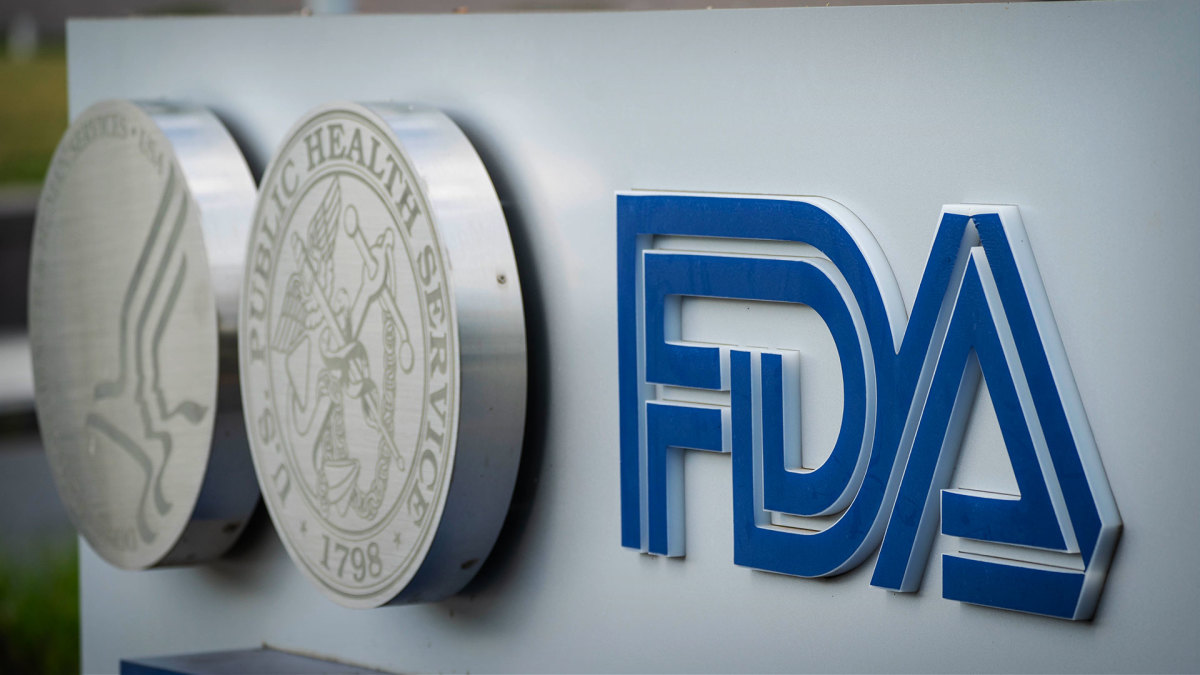 This move by the FDA could quietly change how your favorite foods are made
Image source: Sarah Silbiger/Getty Images
FDA begins rollback of food manufacturing standards
These actions represent the first wave in a larger overhaul of the FDA’s 280+ food identity standards.
Agency officials say the outdated regulations are no longer needed—especially now that modern ingredient labeling, allergen warnings, and safety protocols exist to protect consumers.
FDA Commissioner Marty Makary said many of the standards “may even stifle innovation,” making it harder for manufacturers to produce healthier options or streamline production.
The FDA has already issued a direct final rule revoking 11 standards for canned fruits and vegetables no longer sold in stores. These include products artificially sweetened with saccharin, which have largely disappeared from shelves.
Related: Ziploc, Rubbermaid face alarming lawsuits over food safety risks
Two additional proposed rules would eliminate 41 more standards (18 from the dairy category) and 23 covering everything from noodle products to frozen desserts and vanilla flavorings.
The dairy industry in particular has pushed for this shift. Roughly one-third of all food identity rules affect dairy, according to the International Dairy Foods Association.
Critics say rigid formulas make it nearly impossible to test new processes or formulations without risking misbranding.
This change, they argue, gives producers more room to modernize while still maintaining consumer trust.
How FDA rule changes could impact consumers and businesses
To regulators, this may be a long-overdue update.
But for consumers? It opens the door to some big changes—many of which may happen without warning.
By removing these standards, the FDA is giving food companies more freedom to modify ingredients, sourcing, and manufacturing methods.
That could mean more innovation and flexibility…but without clear guardrails it could also result in inconsistencies or lower-quality products.
More in Retail:
- Ulta Beauty makes surprise huge expansion
- Nike eliminating some classic sneaker models
- Why the latest Messi Stanley collab is smarter than it looks
Critics warn that the shift may blur the lines between what’s “real” and what’s merely labeled that way.
Some consumer watchdogs worry that longtime staples could get watered down or reformulated in ways that aren’t obvious on the surface.
While nutrition labeling provides transparency, most shoppers rely on the name “cheddar,” “juice,” or “macaroni” to mean something consistent.
But the big question now is: what other food rules are on the chopping block?
It’s not yet clear if this shift will mean better products—or just fewer rules.
Related: Protect your parents: FBI shares startling news on elder fraud