
Growing up, Oreos were my thing.
Every day after dinner, I’d open the fridge (yes, I liked them cold), grab two from the sleeve, and savor them slowly.
Even in college, when I barely had groceries, I always had Oreos. I loved trying every new flavor that hit shelves — Mint was my favorite.
They were reliable. Comforting. A little ritual I didn’t think twice about.
But over the past few years, I’ve shifted how I eat. Less processed, more whole foods. Not perfect, but intentional. And slowly, Oreos stopped showing up in my pantry.
Related: FDA eliminates 52 food standards in sweeping deregulation move
Then one weekend, I was visiting my niece and nephew. They were showing me their snack stash and pulled out one of the new limited-edition Oreo flavors. Obviously, I had to try it. Once an Oreo girlie, always an Oreo girlie — right?
I bit in. And I literally spit it out.
It tasted…fake. Like chemicals wrapped in a memory.
And I couldn’t stop thinking about it. How did something I loved so much now feel so off? How had my taste changed that much? Had my taste buds finally woken up to just how ultra-processed and sugary it really was?
Turns out, the U.S. Food and Drug Administration might finally be thinking the same thing.
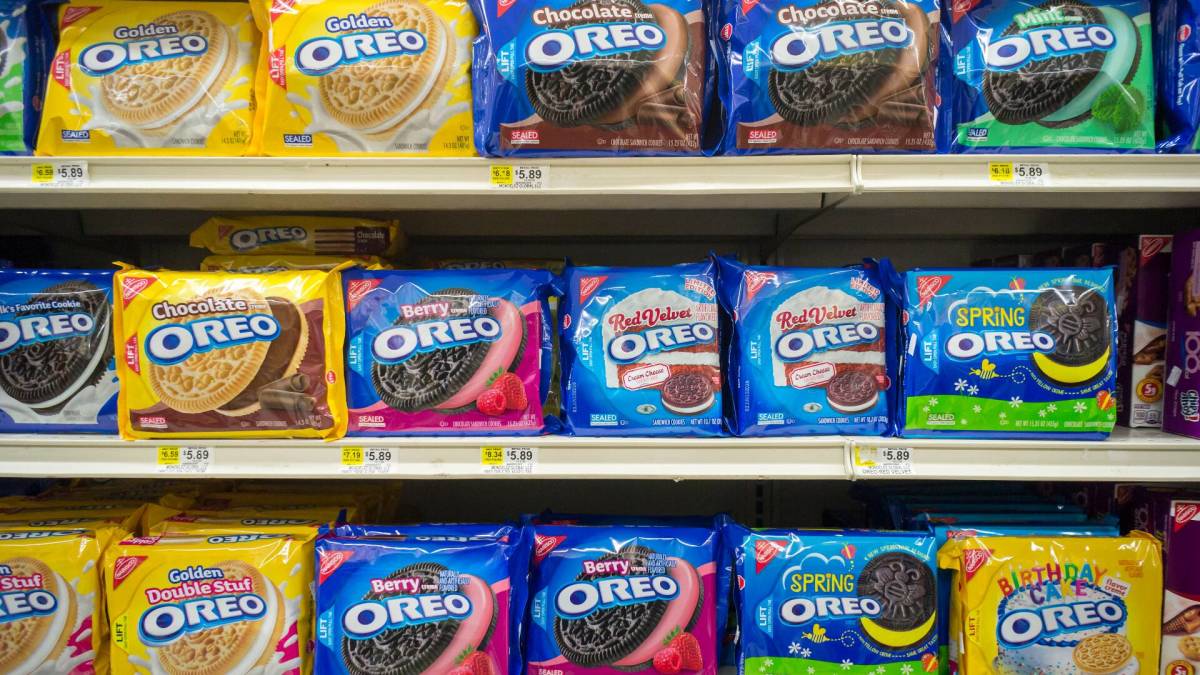 Ultra-processed foods dominate U.S. grocery shelves. Now, they’re under federal scrutiny.
Image source: rblfmr/Shutterstock
FDA launches new plan to define ultra-processed foods
Under the leadership of U.S. Department of Health and Human Services Secretary Robert F. Kennedy, Jr. and U.S. Department of Agriculture Secretary Brooke L. Rollins, the FDA just launched a major initiative to define what counts as an “ultra-processed food.”
This may sound simple, but it’s a massive shift.
Right now, there’s no official federal definition for ultra-processed food. That means your snack labels may tell you about sugar or fat, but they don’t say a word about how chemically engineered or heavily modified those foods really are.
This new FDA push? It’s part of a broader strategy to tackle what they’re calling a chronic disease crisis.
Related: These clean food brands are rightfully challenging the FDA
According to the government, roughly 70% of packaged foods in the U.S. qualify as ultra-processed. And kids get over 60% of their daily calories from them.
Dozens of studies have linked these products to obesity, diabetes, cancer, and neurological conditions.
The agency has now issued a formal Request for Information to help develop a national definition. That may sound wonky — but it’s the first step toward labeling, regulating, and potentially warning consumers about what they’re actually eating.
Honestly, this feels like something we can all get behind.
What this FDA move means for you and your favorite snacks
FDA Commissioner Marty Makary called the issue “clear and convincing,” noting that the health threats from ultra-processed foods are too serious to ignore.
This isn’t just about what we eat. It’s about how food companies will be allowed to operate moving forward.
Once a federal definition is in place, it could open the door to all kinds of new policies: mandatory labeling, advertising restrictions, school food reform, even reformulations of the products themselves.
If a company can’t market its cereal, frozen meals, or snacks without acknowledging they’re ultra-processed, it changes how they sell food in America — if they even still can.
This move could also shift consumer behavior. Just like “organic” or “low fat” once influenced the way people shop, “ultra-processed” might soon become a new red flag on store shelves.
Of course, some of the biggest food companies in the country are watching this closely. For them, this isn’t just a definition. It’s a threat to the foundation of their business model.
And for those of us who grew up with those brightly colored boxes in the pantry, it could mean the snacks we thought we knew are about to change for good.
If this shift helps make eating clean more accessible, I’m all for it.
Related: Ziploc, Rubbermaid face alarming lawsuits over food safety risks