Sometimes a cigar is just a cigar.
And sometimes tariff inflation is just a one-time hit to the U.S. economy that trickles down to your wallet and then evaporates.
💵💰Don’t miss the move: Subscribe to TheStreet’s free daily newsletter💰💵
At least one Federal Reserve Board governor thinks this transitory impact of tariff inflation is happening now as President Trump steams up global trade wars with multiple tariff threats of up to 50 percent on imported goods and services.
Related: Tariff uncertainty resets inflation, July interest rate cut bets
Fed Governor Christopher J. Waller, a Trump appointee, surprised some Fed watchers late in June when he shared what action the Federal Open Markets Committee might consider taking on the Federal Funds Rate at its July 29-30 meeting.
No one should have been gobsmacked by his position, according to Waller.
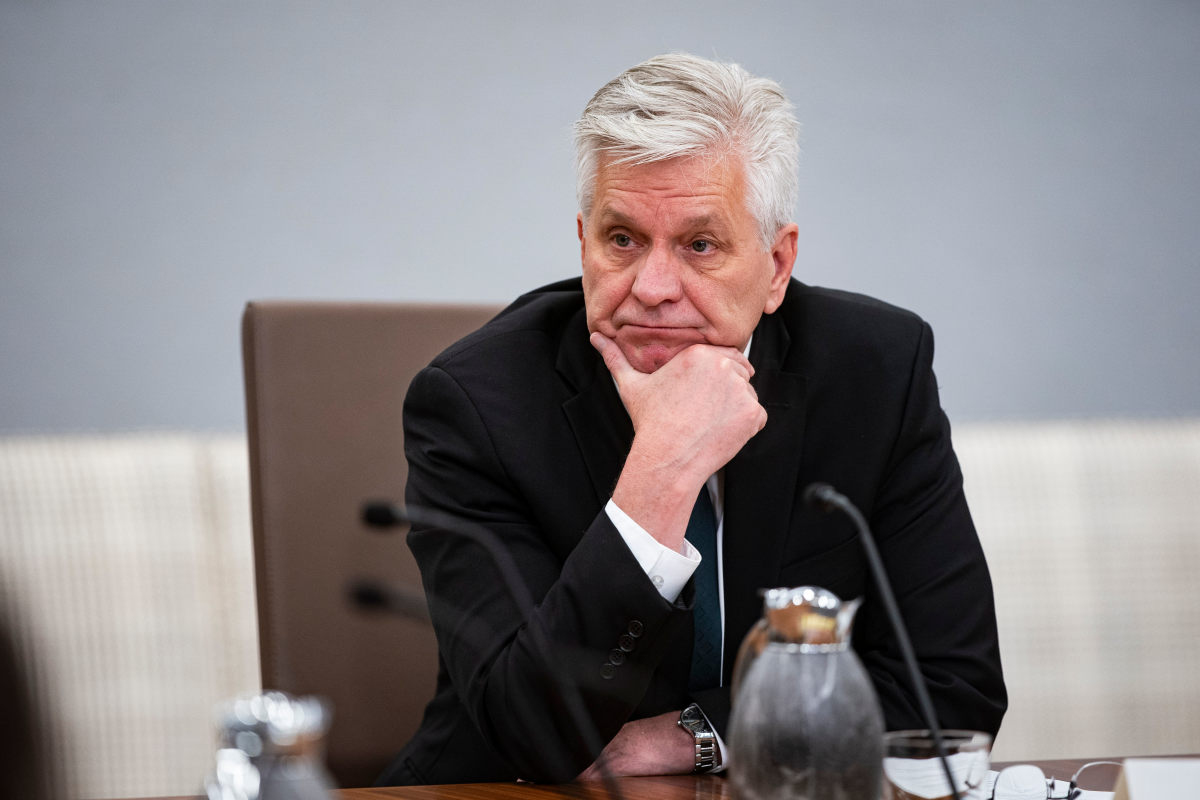 U.S. Federal Reserve Board Governor Christopher Waller sent a blunt three-word message regarding interest rate cuts.
Image source: Bloomberg/Getty Images
Waller, a self-described capital economist, outlined his reasoning – and then some – in short but powerful remarks after a speech on the Fed’s balance sheet at the Federal Reserve Bank of Dallas on July 10.
What’s happening with tariff inflation, interest rates
With concerns mounting from Wall Street to Main Street, twin rumblings about inflation and interest rate cuts are top of mind for consumers, businesses, and investors.
Mortgage rates at nearly 6.8%, the highest this century, are especially painful as the cost of borrowing money has not come down to pre-pandemic levels.
In addition to loans, Americans are focused on rising prices and job security.
Enter the Federal Reserve Board.
The independent central bank sets monetary policy according to its dual mandate: maintaining low inflation and stable unemployment rates while the economy chugs along at a stable rate of growth.
Related: Morgan Stanley predicts next Federal Reserve interest rate cut
Sounds easy, but rising prices can lead to decreases in employment rates and higher job numbers lead to increased inflation.
The Fed needs to maintain a balanced approach to monetary policy, taking into account all potential impacts of U.S. fiscal policy such as tariffs and taxes. It’s also historically non-partisan.
The Fed’s Federal Open Meeting Committee decided unanimously last month to hold the Federal Funds Rate steady at 4.25% – 4.50%, despite describing the U.S. economy as “stable.”
The reason: expected inflation from tariffs creeping up this summer, then through the supply chain into homes, factories, and retail outlets later this year.
The funds rate is tied to the cost of borrowing money, which is why, in addition to mortgages, car loans and credit cards have sky-high interest rates.
The Fed’s prudent “wait-and-see” approach has Team White House enraged.
Trump has made repeated calls for Fed Chair Jerome Powell to resign, and has threatened to install a “shadow’’ replacement who will, in Trump’s mind, lead the charge to slash rates.
Powell’s term as chair is up in May, and he has said he won’t resign.
More Federal Reserve:
- Fed interest rate cut decision resets forecasts for the rest of this year
- Federal Reserve prepares strong message on long-term interest rates
- Fed official revamps interest-rate cut forecast for this year
Trump has been very vocal that the politically independent central bank needs to slash the funds rate immediately by over 3%.
This is to unleash what the president says is trillions of dollars in pent-up economic demand — amid somewhat stable inflation and job rates — to avoid a recession or dreaded recession.
Office of Budget Management Director Russell Voight on July 10 upped the nasty rhetoric, saying Powell, also a Trump appointee, has “grossly mismanaged’’ the Fed.
Fed governor defends rate cut position
Waller, a former economics professor, noted that he said in November 2023 and in July 2024 that if inflation rates are coming down as the unemployment rate remains steady, then so should interest rates.
And FOT, or Fear of Tariffs?
“Tariffs are a one-time thing,’’ Waller said. “You look through it and keep moving.”
Some goods, but not all goods, are showing signs of tariff inflation right now, he said. Unemployment is right where it should be, he added.
Under these conditions, he said it would be reasonable to expect interest rates to begin falling 1.25% to 1.50% with the FOMC meeting later this month.
“I’m kinda in the minority on this,’’ he stated as the program came to a close.
A pause, then Waller added three words, with a touch of heat: “It’s not political!”
The last Federal Funds Rate cut was in December 2024.
The widely watched CME FedWatch Tool tracks the probability of changes to the Fed rate, as implied by 30-day fed funds futures prices. It said there was a 6.7% chance of a rate cut in July.
Many economists and market watchers say the next fed funds cut of .25% will likely come at the FOMC meeting in September 2024.
Related: Top economist sends sobering tariff, interest rate forecast