
When Congress fails to agree on a federal budget, the government can partially shut down, forcing many agencies to close or scale back operations.
National parks are affected, as are museums in Washington, D.C., but some offices will continue business as usual, even if essential workers, such as air traffic controllers and military personnel, are forced to work without pay.
That raises an important question for millions of Americans who rely on essential government services: Will local Departments of Motor Vehicles (DMVs) remain open during a government shutdown?
The short answer: yes, in most cases.
DMVs are state-run agencies, not federal ones. That means your ability to renew a license, register a car, or take a driving test is largely unaffected by a lapse in federal funding. State governments provide the funding, staffing, and facilities for DMV offices.
Even if the federal government halts non-essential services, local DMVs are expected to keep normal business hours.
Still, there are some important exceptions.
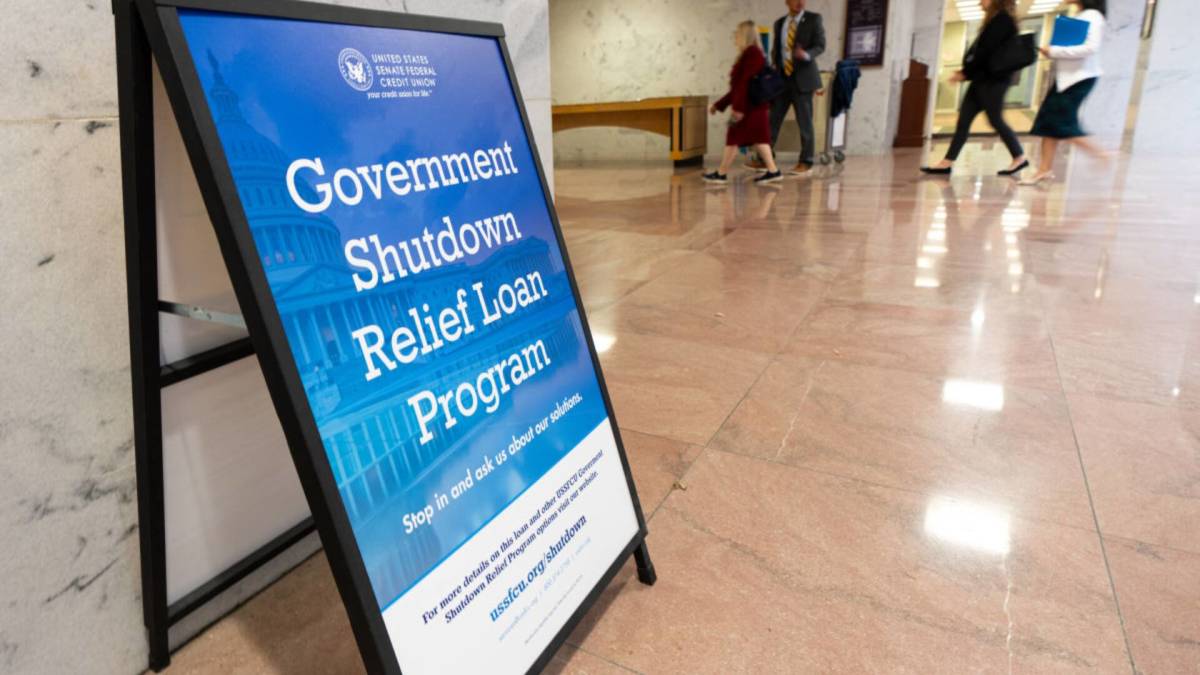 The federal government shutdown will affect many types of services.
Image source: Bill Clark/Getty Images
How a shutdown could indirectly affect DMVs nationwide
While Washington does not directly fund state DMVs, they rely on certain federal systems and agencies.
If the shutdown is prolonged, drivers might experience:
- Delays in verifying immigration or citizenship status: DMV offices often check federal databases such as SAVE (Systematic Alien Verification for Entitlements) to confirm lawful presence. If access to these systems is limited during a shutdown, it could slow down applications for driver’s licenses, particularly for non-U.S. citizens.
- Delays in processing commercial driver’s license applications: Issuing CDLs involves oversight by the Federal Motor Carrier Safety Administration (FMCSA). If staffing is reduced at the federal level, truck drivers might face delays in processing applications or renewal.
- Complications in getting information about Real IDs: Since REAL ID is a federally mandated program, coordination between state DMVs and federal agencies could experience temporary bottlenecks, especially if a deadline is approaching.
What remains unchanged at DMVs during the shutdown
For everyday drivers, most DMV tasks continue as normal:
- Renewing or replacing driver’s licenses
- Vehicle registration
- Road and written tests
- Title transfers
- Paying fees and fines
If your DMV is closed, it’s usually because of state holidays, staffing shortages, or local circumstances and not because of a federal budget impasse.
Related: The U.S. Government Just Shut Down: Here’s What It Means for the Economy and Stocks