
Ford is having a strong year. Profits are rising, quality scores are up, and Wall Street just got a bigger earnings forecast to work with.
So when CEO Jim Farley talks trade policy, people listen.
And on Ford’s (F) Q2 earnings call, held July 28, Farley made clear that the automaker wants a say in how the United States, Mexico and Canada Agreement (USMCA) gets rewritten, and that the company sees real risk if it doesn’t get one.
Farley demands level playing field in USMCA
Farley didn’t hold back when a Goldman Sachs analyst asked about early USMCA talks. He said Ford builds more vehicles in the U.S. than almost any other major automaker, and is among the largest exporters as well.
That, Farley argued, should earn Ford a seat at the table as the agreement gets revised. His bigger concern is what he sees as an uneven fight with importers from Japan and South Korea.
Referring to competitors importing from those countries Farley explained :
“They have incredibly strong local supply chains like steel and aluminum. They have much weaker currencies in some cases, 40-year lows, and they have a modest 15% tariff. Even some of our domestic competitors import from those locations, and they have huge advantages.”
He said Ford is “prepared to support revising the USMCA” as long as the changes help U.S. automakers compete rather than hurt them. Farley called the current conversations with U.S., Mexican and Canadian officials productive but early stage.
Related: Ford set to challenge Tesla after big new deal with tech giant
The comments echoed something Farley said earlier on the call, tying the trade issue to Ford’s recently ratified three-year labor deal in Canada.
That agreement, reached with union Unifor under president Lana Payne, covers Ford’s Canadian workforce and keeps the automaker’s Oakville, Ontario plant running.
“This agreement also underscores how important USMCA is to our future at Ford,” Farley said, framing it as part of a broader push to build “a framework that levels the playing field for North American manufacturers.”
Ford Q2 earnings back Farley’s argument
Farley’s trade comments landed alongside a set of numbers that gave Ford some momentum.
- The automaker reported $48.3 billion in second quarter revenue, down 4% from a year ago, largely because of lower vehicle output tied to an aluminum supply problem at supplier Novelis.
- However, adjusted operating profit climbed 17% to $2.5 billion.
- Ford also raised its full-year profit forecast, now expecting adjusted EBIT between $10 billion and $11 billion, a $1 billion increase at the midpoint from its prior guidance.
- Much of that improvement came from pricing and a better mix of vehicles sold.
Off-road models like the Bronco and Raptor now make up nearly one quarter of Ford’s U.S. sales, and those trucks carry higher margins than standard trims.
The F Series pickup lineup remains the top-selling truck in America, a title Ford has held for close to five decades.
Quality also improved. Ford was named the top mainstream brand in J.D. Power’s 2026 Initial Quality Study, its first win in that category since 2010.
Chief Operating Officer Kumar Galhotra said on the call that vehicle recalls fell about 40% this year, a sign the automaker is spending less to fix problems after vehicles reach customers.
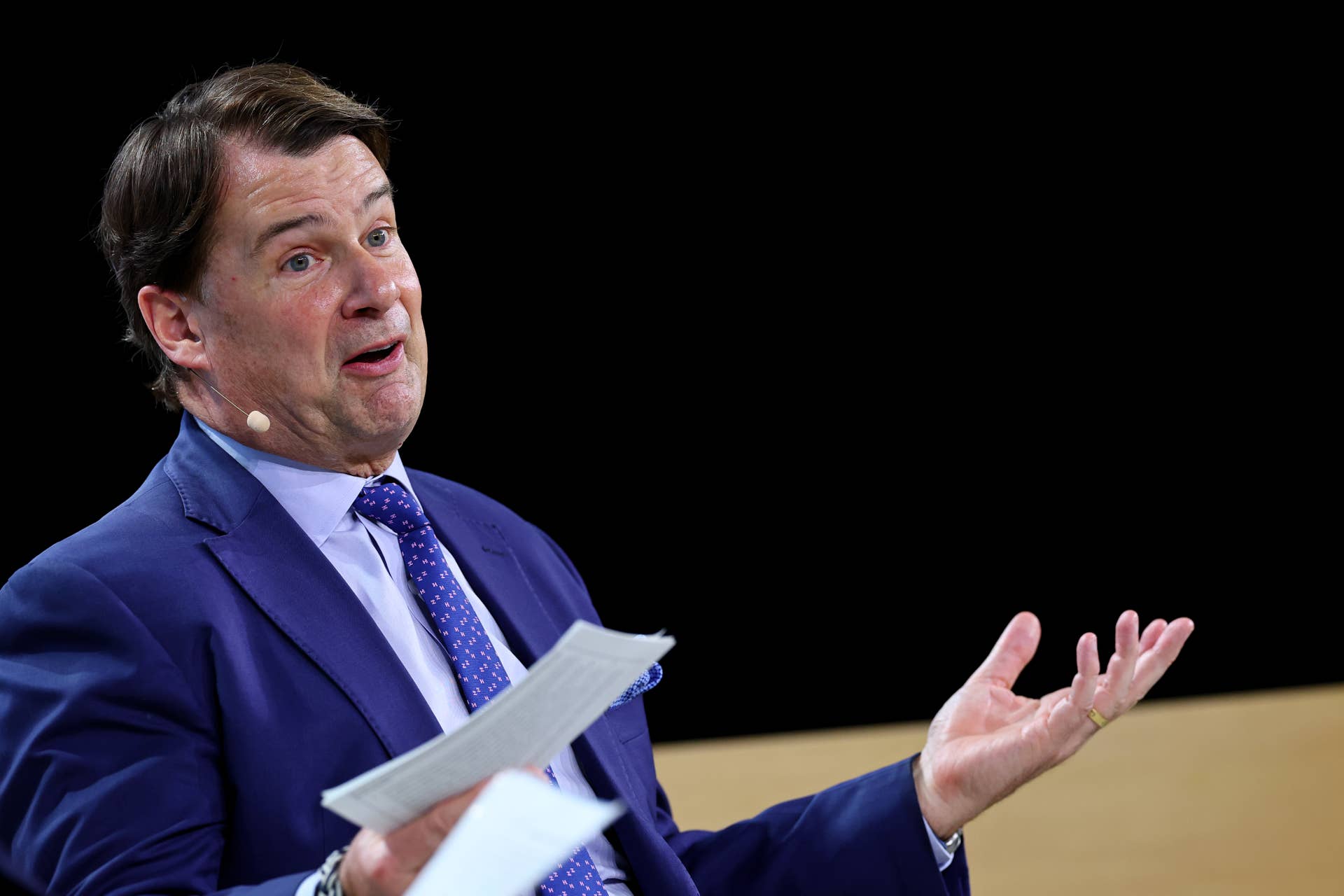 Jim Farley, president and CEO of Ford, pushes for a level playing field for U.S. automakers.
What a revised USMCA means for Ford
Farley was careful not to get too specific about where USMCA negotiations stand.
Asked directly about proposals that could require more U.S. made content in vehicles, he said discussions with U.S. Trade Representative officials, along with counterparts in Mexico and Canada, are still forming.
What he did make clear is Ford’s negotiating position: support a tougher trade deal, but only one that strengthens companies already committed to building in America.
CFO Sherry House added financial texture to the quarter, noting Ford ended June with $22.3 billion in cash and $43.4 billion in total liquidity.
More Automotive:
- Uber changes key rule for drivers amid rider safety lawsuits
- Volkswagen may cut 100,000 jobs in brutal reset
- Honda CEO withstands investor backlash after $9B EV misstep
The company also declared a third quarter dividend of $0.15 per share, continuing a run that has returned more than $16 billion to shareholders over the past five years through dividends and buybacks.
For now, investors are left watching two storylines play out together. One is Ford’s operational turnaround, where cost cuts, hybrid demand and truck pricing power are showing up in the numbers.
The other is a trade fight in Washington that could shape how much of an edge Ford’s U.S. manufacturing base actually provides.
Farley’s message on the call suggested he sees those two stories as connected. A friendlier trade deal, in his view, would let Ford’s investment in American factories translate into an even bigger financial advantage over rivals importing from overseas.